
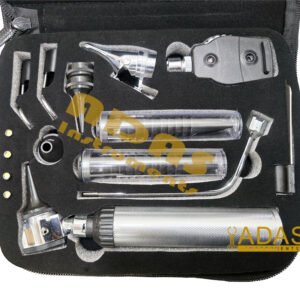

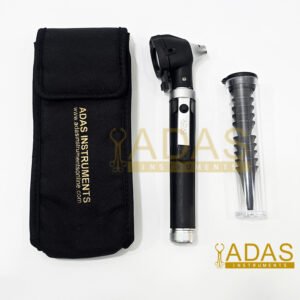
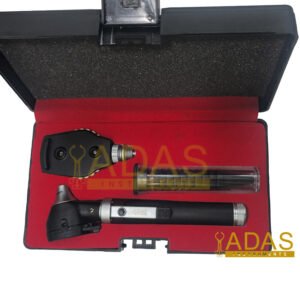
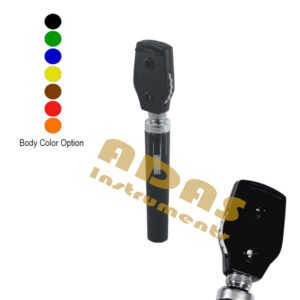
Ent Diagnostic Instruments Manufactured in Our Own Factory
ENT consultants, audiology and allergy clinics, paediatric practices, teaching departments and medical distributors buy from this group for routine consulting room examination and for outpatient minor procedures. Cover extends across visualisation aids such as specula, mirrors and depressors, retrieval instruments such as wax hooks, curettes and fine forceps, and probing instruments used for cleaning and dressing the ear canal. Blades, jaws and shanks are pressed and machined on site, joints are set by hand so blades close true, and each finished piece is checked for smooth spring action and clean edges.
Nasal specula are made in adult, paediatric and long bladed forms, while ear specula are offered as graded sets typically covering 3 mm to 9 mm. Laryngeal mirrors are supplied in numbered diameters with detachable handles. Satin finish is preferred on blades that sit under a headlight, mirror finish elsewhere. Every piece is reusable and autoclavable at 134 degrees C, and clinic sets can be trayed in an aluminium sterilisation box.
Popular Products in Ent Diagnostic Instruments
Choosing the Right Ent Diagnostic Instruments
Building a consulting room tray
A working ENT tray needs one instrument for each step of the examination. Start with a nasal speculum in two blade lengths, a graded run of ear specula, a laryngeal mirror with handle and a tongue depressor. Add a wax hook, a curette and a fine crocodile forceps for retrieval, then a Jobson Horne probe for dressing. Duplicate the pieces used at every appointment so a clinic can run through a reprocessing cycle.
Choosing ear speculum sizes
Speculum diameter has to suit the ear canal rather than the instrument passing through it. A graded set covering roughly 3 mm to 9 mm handles infants through to adults, and most clinics find the middle sizes wear fastest. If you regularly remove wax under microscopy, order extra of the larger diameters and consider a longer body, which gives better access without the tip crowding the working field.
Finish, glare and headlight work
Highly polished blades can reflect a headlight straight back at the examiner. Satin or matt finishing on speculum blades and forceps shanks reduces that reflection while keeping surfaces easy to clean. Mirror polish still suits handles and outer faces where appearance matters and contact with tissue is limited. Tell us which pieces sit under illumination and we will apply the finish selectively across your order.
Why Buy Ent Diagnostic Instruments from ADAS Instruments
- Maker direct. Clinic instruments come from our own benches, so the trading margin disappears.
- Standards held. An ISO 13485 system governs production and the range carries CE marking.
- Correct alloy. German surgical grade stainless steel, hand deburred and selectively polished.
- Label to order. Practice or brand marking, your codes and boxes on small production runs.
- Pattern matching. A photograph or a worn instrument is enough for us to reproduce it.
- Quick transit. Air courier by DHL or FedEx, commonly 3 to 5 working days to major markets.
Frequently Asked Questions
Which nasal speculum pattern should a general clinic stock?
Vienna and Hartmann patterns cover most adult consulting room work and are easy to handle single handed. Killian suits deeper septal inspection because of its longer blades, and Thudichum is useful for quick anterior looks. Paediatric versions are worth adding wherever children are seen. Many clinics stock two patterns plus a paediatric size, which is enough for routine examination without an oversized tray.
How should ENT instruments with hinges be maintained?
Open the joint before cleaning so debris does not stay trapped in the box lock or spring. Use an enzymatic soak, brush the jaws and shanks, then ultrasonic clean before autoclaving at 134 degrees C. Dry fully and apply instrument milk to hinges at regular intervals. Check that fine forceps jaws still meet along their whole length, because misaligned tips fail to grip small foreign bodies.
Can you supply a complete clinic set rather than single items?
Yes. We build ENT examination sets to a written contents list, laid out in an aluminium sterilisation box with a silicone mat or fitted tray. You choose the speculum patterns, mirror sizes and retrieval instruments, and quantities of each. This is a common request from new clinics and from distributors packaging under their own brand at low minimum order quantities.
Are laryngeal mirror handles interchangeable?
Yes. Mirrors are made with a standard threaded stem so one handle can carry several mirror diameters, which keeps the tray light and reduces cost. Order a spare handle if two examination points run at once. Mirror heads are available in a numbered range so you can match the size to adult, paediatric and post nasal work from a single handle.
Request a Quote or a Custom Instrument
Tell us the pattern, size and finish you need and we will send a factory price list the same working day. Email adas.surgical@gmail.com. Wholesale, distributor and hospital tender enquiries are welcome.