
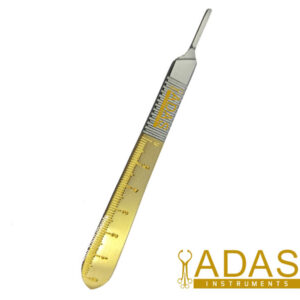
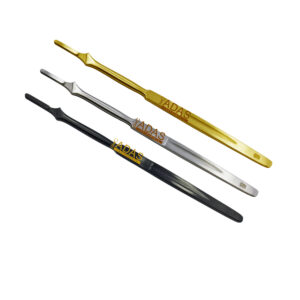

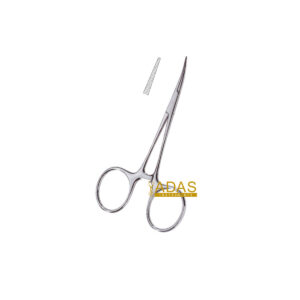
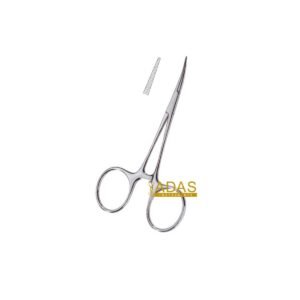
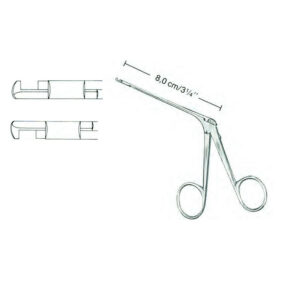
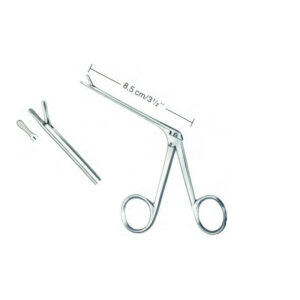
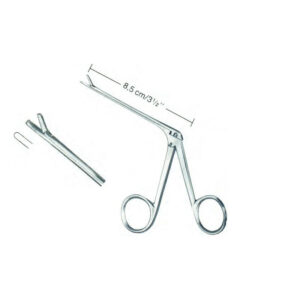

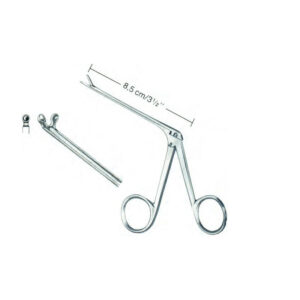
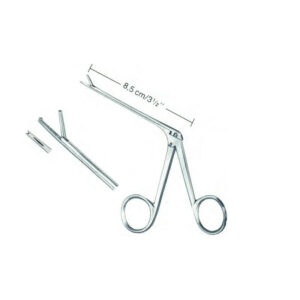
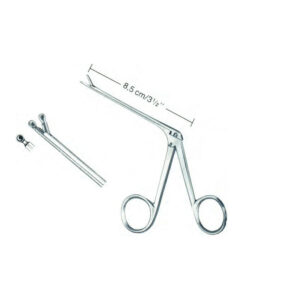
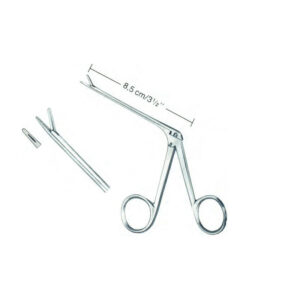
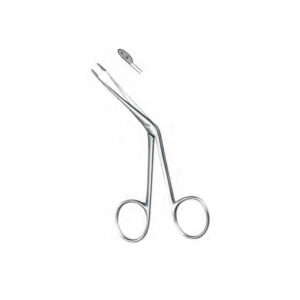
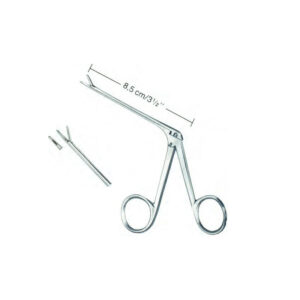
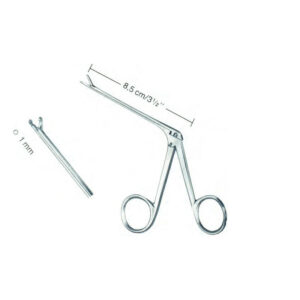
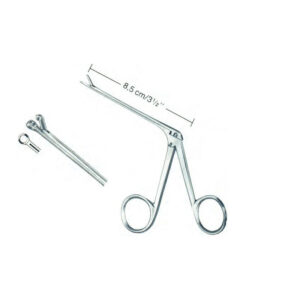
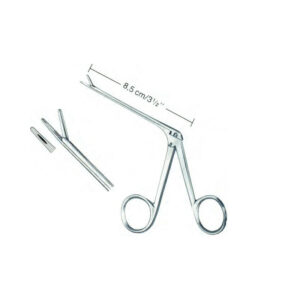
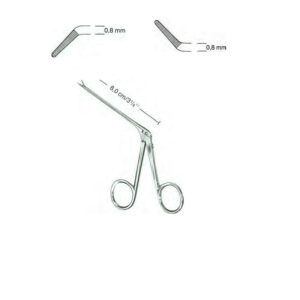
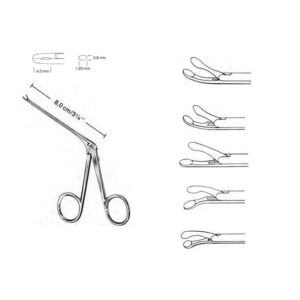
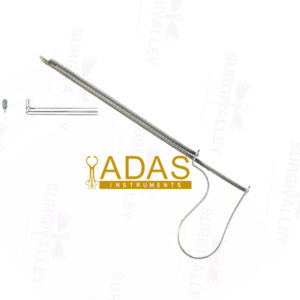
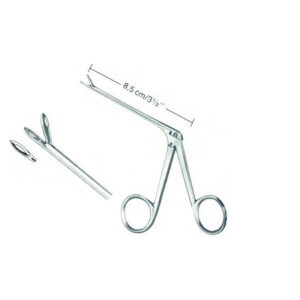
Ear Instruments Manufactured in Our Own Factory
Otology and audiology clinics, ENT theatres, paediatric services and distributors supplying hearing care providers order from this section. The catalogue divides naturally into the examination and cerumen management instruments used every clinic day, and the micro instruments used down an operating microscope where tip dimensions are measured in fractions of a millimetre. Work of that kind is finished by hand at the bench, with tips ground, matched and inspected under magnification before polishing, because a micro pick that sits a fraction out of true is unusable at the ossicular chain.
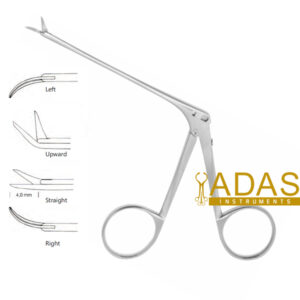
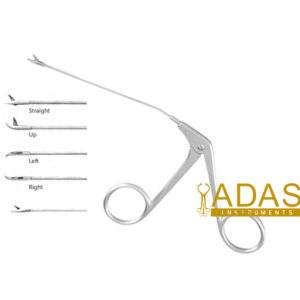
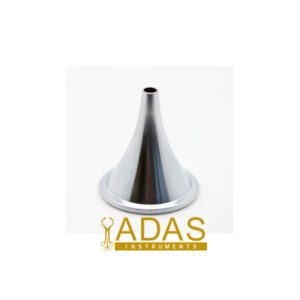
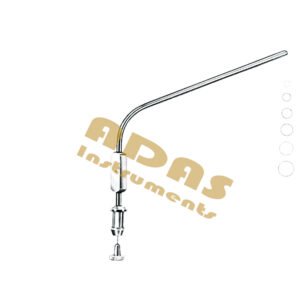
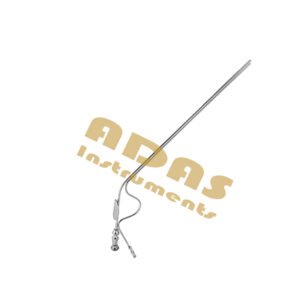
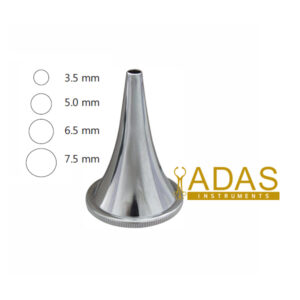
Aural specula are supplied in 2.5 mm to 8 mm diameters, as single pieces and as graded sets. Micro instruments are offered with straight, 45 degree and 90 degree tips, in left and right forms where the anatomy demands. Suction tubes run from 0.6 mm to 3 mm with finger control ports. Satin finish is standard on microscope instruments to cut glare. The whole range is reusable and takes a full autoclave cycle at 134 degrees C.
Popular Products in Ear Instruments
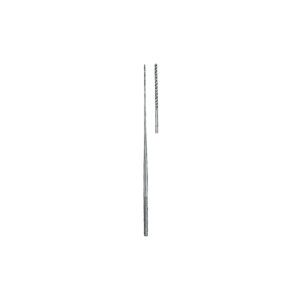
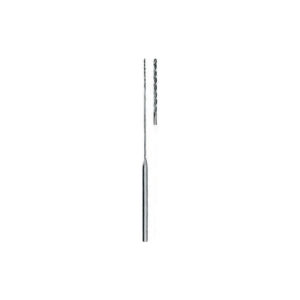
Also available in this category: Rosen Ear Curettes, Professional Grade Micro-Otology Bone Sculptor & Aural Dissector, Lempert Ear Curettes, Professional Grade Bone Sculpting & Specialized Aural Dissector, Langenbeck Ear Curettes, Professional Grade Bone Sculpting & Specialized Aural Dissector, Jansen Ear Curettes, Professional Grade Bone Sculpting & Heavy-Duty Aural Dissector, House Ear Curettes, Professional Grade Bone Sculpting & Specialized Aural Dissector.
Ear Forceps, Pattern by Pattern
Fourteen ear forceps patterns cover most of the grasping work in the canal and the middle ear. Each line below says when that pattern is the right pick, so a purchaser ordering for a theatre can match the instrument to the job rather than to the name on the box.
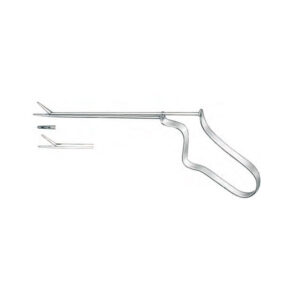
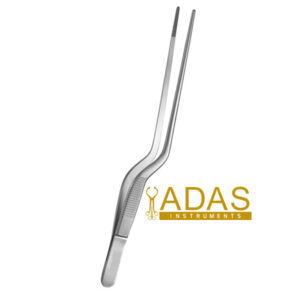
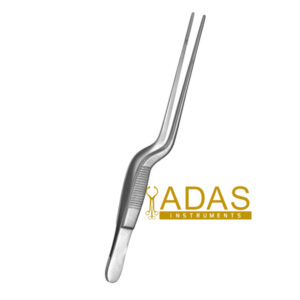
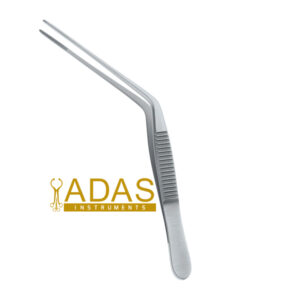
Buck Ear Forceps, the general aural grasper, satin finished so the canal stays visible under the light.
Dieter Micro Ear Forceps, known as malleus nippers, for cutting the malleus head in middle ear work.
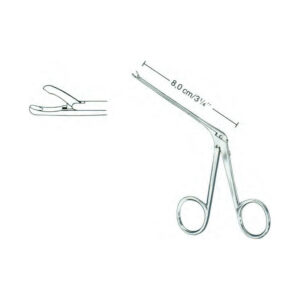
Hartmann Ear Cup Forceps, Angled, cup jaws in 2.0, 2.5 and 3.0 mm on an angled shaft, for when the approach is not straight down the canal.
Hartmann Ear Cup Forceps, Straight, the same three cup sizes on a straight shaft, for tissue sitting in line with the speculum.
Hartmann Ear Forceps, the everyday aural pattern for lifting packing, debris and small foreign bodies out of the canal.
Hartmann Ear Polypus Forceps, shaped for taking aural polyps and soft tissue out whole.
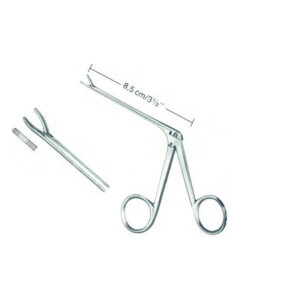
Hartmann Micro Ear Rongeur, bites away small pieces of bone and tissue in the canal where a forceps only grips.
Hartmann Noyes Ear Forceps, fine jaws for drawing small objects and foreign bodies back out of a narrow canal.
Hartmann Weingartner Ear Polypus Forceps, a heavier polypus pattern for polyps and foreign bodies that will not come away with a fine tip.
Hartmann Wullstein Cup Ear Forceps, cupped jaws that hold graft and soft tissue in a narrow canal without tearing it.
Hartmann Wullstein Ear Forceps, for holding and moving soft tissue and small objects inside the canal.
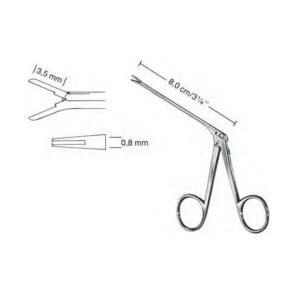
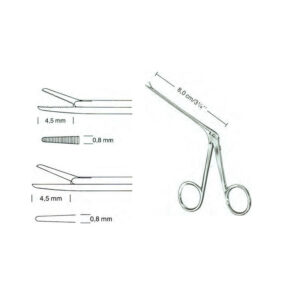
Micro Cup Ear Forceps, cupped jaws at micro scale, for lifting tissue in middle ear work under the microscope.
Micro Ear Forceps, the fine pattern for middle ear microsurgery where the jaws must close on very small tissue.
Quire Ear Forceps, long fine jaws for taking a foreign body out of the depth of the canal.
Every pattern listed here is made by Adas Instruments at its own plant in Sialkot, Pakistan, and can be supplied singly or built into a set to a purchaser specification.
Ear Instruments by Job
Beyond the forceps, the ear range covers everything from the speculum that opens the canal to the tuning forks used to test the result. The groups below follow the order of a procedure.
Ear Specula
The first instrument in, and the frame every other instrument works through.
Boucheron Ear Specula, the short wide pattern for a quick look and for syringing.
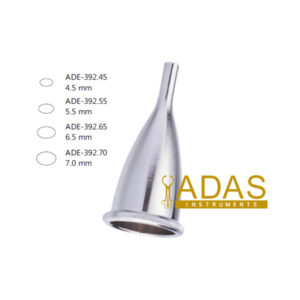
Farrior Ear Specula, an oval barrel that leaves room for two instruments at once.
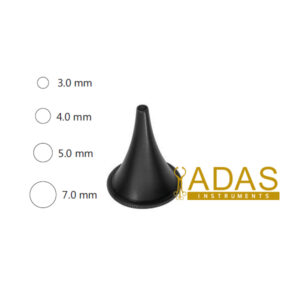
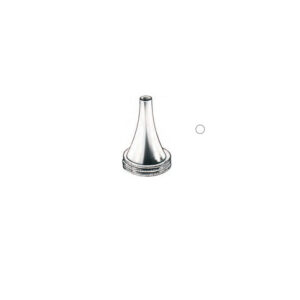
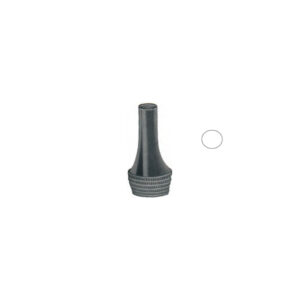
Hartmann Ear Speculum, Black, black finished so microscope light does not bounce back off the barrel.
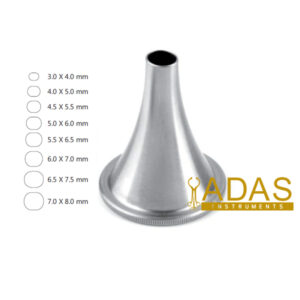
Politzer Ear Specula, a graded set of sizes for routine canal examination.
Knives, Curettes, Elevators and Punches
The cutting and lifting instruments of middle ear surgery, from raising the flap to taking bone off the canal wall.
Barth Ear Curettes, a blunt loop for lifting cerumen and granulation off the canal wall.
Fisch Ear Elevators, raises the tympanomeatal flap without tearing it.
Kerrison Punches, bites bone away at the canal rim one bite at a time.
Muck Ear Elevator, a fine elevator for freeing the edge of the drum.
Passow Ear Chisels, for taking bone off the canal wall under the microscope.
Plester Ear Dissectors, a fine dissecting pattern for middle ear work.
Schuknecht Ear Knife, the sickle blade for the first cut in the canal skin.
Wullstein Ear Knife, Sickle Blade, another sickle pattern, ground for lifting the flap edge.
Stapes and Foot Plate Instruments
Worked at a scale where the whole field is a few millimetres across.
Foot Plate Hand Instruments, the small hand set used at the stapes footplate.
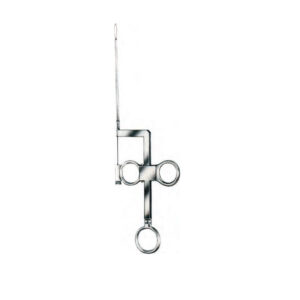
Foot Plate Pick, opens the footplate to take a prosthesis.
Shea Foot Plate Hand Instruments, the Shea pattern of the same footplate set.
Probes, Hooks, Loops and Needles
The instruments that feel, lift and pierce rather than cut.
Hartmann Ear Hook, hooks a foreign body that a forceps would only push deeper.
Politzer Paracentesis Needles, makes the myringotomy opening in the drum.
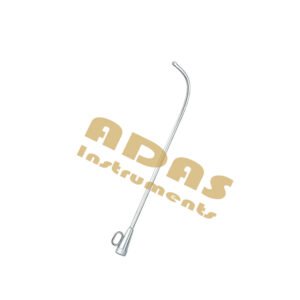
Snellen Ear Loops, a wire loop for drawing wax and debris out along the canal wall.
Stacke Ear Probe, feels along the ossicular chain and tests what moves.
Tuning Forks
For Rinne and Weber testing in clinic and at the bedside.
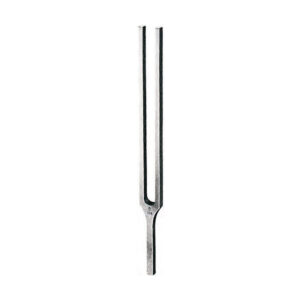
Hartmann French Tuning Forks, the French pattern with a weighted head.
Hartmann Tuning Forks, the standard Hartmann range of frequencies.
Lucae Tuning Forks, the Lucae pattern, supplied with its striking hammer.
Tuning Forks Set, the full range of frequencies together in one case.
Irrigation and Suction
For clearing the canal before and during the procedure.
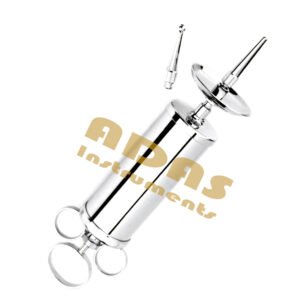
Ear Syringe Complete Set, the syringe with its tips for washing wax out of the canal.
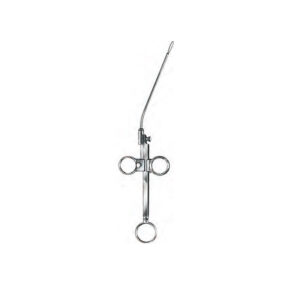
Fisch Suction Tubes, fine bore suction that fits alongside an instrument in the speculum.
Hartmann Wash Tubes, directs the wash along the canal wall.
Cotton Applicators
For carrying medication into the canal and drying it afterwards.
Farrel Cotton Applicators, a roughened tip that holds the cotton on.
Frohn Cotton Applicator, the Frohn pattern in the same range.
Ziegler Cotton Applicators, a finer shaft for the depth of the canal.
All of these are made by Adas Instruments in Sialkot, Pakistan, and can be ordered singly or built into an otology set to a purchaser specification.
Choosing the Right Ear Instruments
Choosing Aural Speculum Sizes
A clinic set should cover the full range rather than the middle of it. Diameters of 2.5 mm and 3 mm are needed for infants and narrow canals, 4 mm and 5 mm serve most adult examination, and 6 mm to 8 mm give working room for suction clearance and grommet insertion. Buying a graded set usually costs less than single pieces, and holding duplicates of the two sizes you use most keeps a busy clinic moving.
Angled Tips For Middle Ear Work
Straight picks and needles reach the tympanic membrane and anterior mesotympanum, but the sinus tympani, facial recess and posterior ossicular chain need angled tips. A practical middle ear set carries 45 degree and 90 degree picks in both left and right forms, plus a sickle knife and a round knife elevator. Order angled instruments in pairs, since a right handed surgeon working the left ear frequently needs the mirrored pattern.
Protecting Micro Instruments Between Cases
Micro ear instruments fail from handling rather than from use. Store them in a slotted rack or silicone tip guard so points never touch other steel, keep them out of general instrument trays, and clean fine lumens and tips with a soft brush rather than loading them against hard surfaces. Inspect tips under magnification at each cycle, since a bent or burred point can abrade the ossicles without the surgeon feeling it.
Why Buy Ear Instruments from ADAS Instruments
- Ground under magnification. Micro tips are finished and checked at the bench, not by machine alone.
- Certified manufacture. An ISO 13485 quality system and CE marking apply to this range.
- Fine grade steel. German surgical grade stainless holds a point through repeated cycles.
- Label to order. OEM marking, catalogue codes and packaging from small quantities.
- Special tips made. Send a drawing, image or sample for a bespoke angle or dimension.
- Air courier worldwide. DHL and FedEx reach major markets in roughly 3 to 5 working days.
Frequently Asked Questions
What goes into a basic ear examination and wax removal set?
Most clinics stock a graded set of aural specula, a Jobson Horne probe, blunt and sharp wax curettes, crocodile or Hartmann forceps, fine aural dressing forceps and a suction tube with a finger control port. High use items such as specula and curettes are usually duplicated several times so the list is never held up waiting for reprocessing. Sets and single pieces are both supplied.
Do you supply left and right handed micro ear instruments?
Yes. Angled picks, needles, hooks and elevators are produced in mirrored left and right forms, and we recommend ordering them in pairs so the correct approach angle is available for either ear. Tip angles of 45 and 90 degrees are standard, and other angles can be manufactured to your specification if your technique or microscope setup calls for something different.
How should micro ear instruments be sterilised and stored?
They are reusable and fully autoclavable at 134 degrees C. Clean immediately after use, brush tips gently and flush suction tubes with warm water and neutral detergent, then dry completely before the cycle. Store them in a rack or case that isolates each tip, because contact with other instruments inside a shared tray is the most common cause of bent points and lost fineness.
What is the minimum order for branded ear instrument sets?
Minimum quantities for OEM and private label production are deliberately low, so hearing care providers and smaller distributors can order a branded set without committing to heavy stock. Your logo, part numbers and packaging design are applied in house, and we send marked samples for approval first. Wholesale pricing improves with volume, and shipping is by DHL or FedEx with tracking.
Request a Quote or a Custom Instrument
Tell us the pattern, size and finish you need and we will send a factory price list the same working day. Email adas.surgical@gmail.com. Wholesale, distributor and hospital tender enquiries are welcome.