



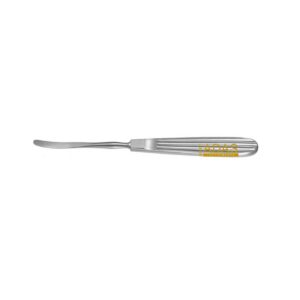
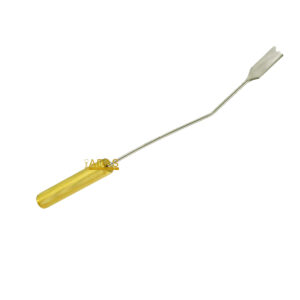
What this range covers
Surgical dissectors and elevators do one job, which is to separate one layer of tissue from the layer under it and keep both intact. What changes between patterns is the plane they open, how much force it takes, and how far the hand has to reach. Adas Instruments makes every pattern here in high quality medical grade stainless steel, reusable and fully autoclavable.
| Group | Where it works | What the build looks like |
|---|---|---|
| Nasal and septum elevators | Inside the nose, on cartilage and the bony septum | Slender, mostly double ended, blunt or one sharp end |
| Periosteal and general elevators | On the facial skeleton and on bone anywhere | Stiffer blade, chosen tip width, single or double ended |
| Breast dissectors and spreaders | Through a small incision into a pocket | Long shaft, broad blade, made to work at arm length |
Nasal and septum elevators
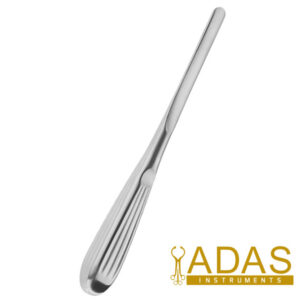
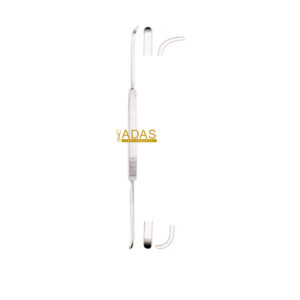
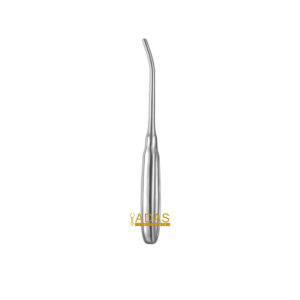
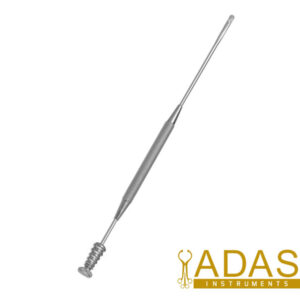
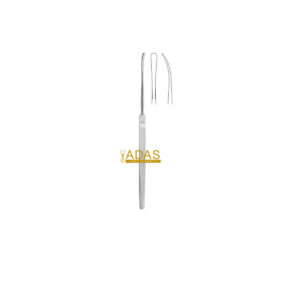
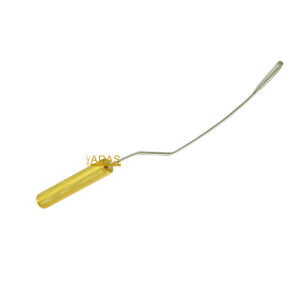
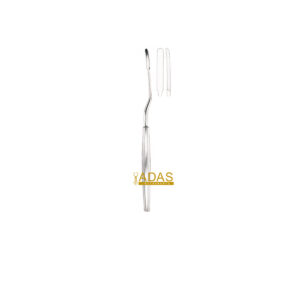
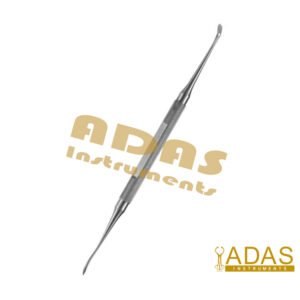
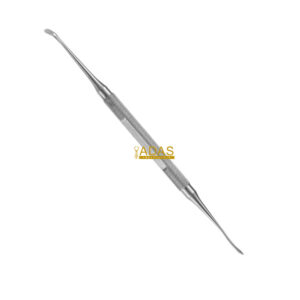
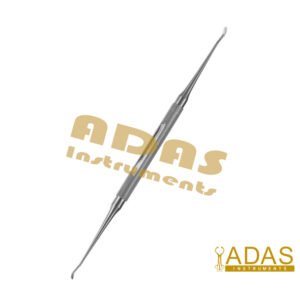
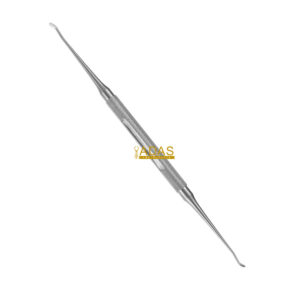
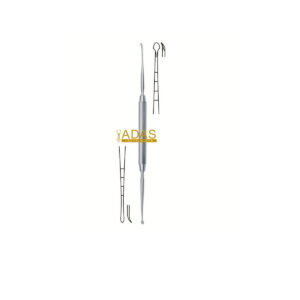
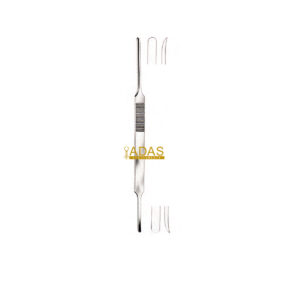
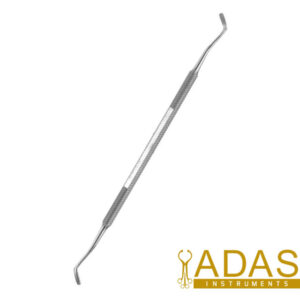
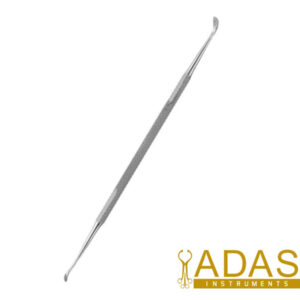
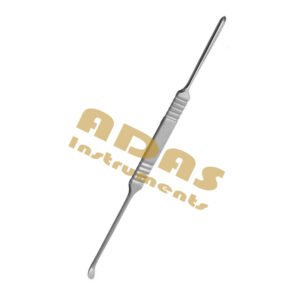
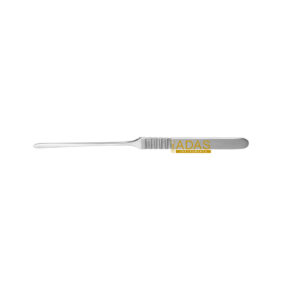
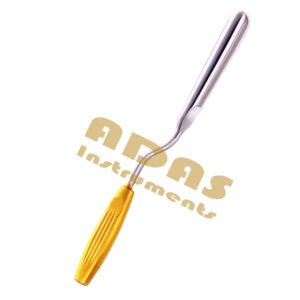
Thirteen patterns working inside the nose, on the septum, the floor and the bony vault. A few are sharp at one end for the first incision through the perichondrium, most are blunt at both, and the choice comes down to reach and how much blade you want in a narrow cavity. The range is Freer septum elevator, Cottle septum elevator, Cottle septum elevator graduated, Howarth septum elevator, Masing septum elevator, Joseph Masing septum elevator, Halle septum elevator, McKenty nasal septum elevator, McKenty nasal septum elevator double ended, Gorney septum suction elevator, Boies nasal fracture elevator, spoon shaped nasal elevator, double ended nasal elevator.
Periosteal and general elevators
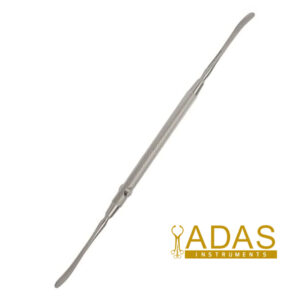
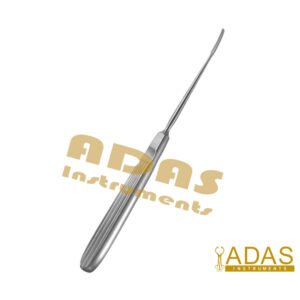
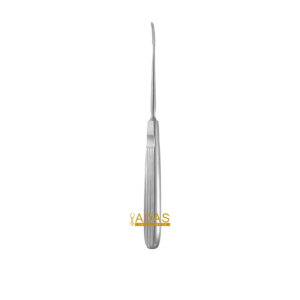
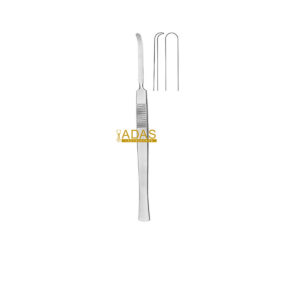
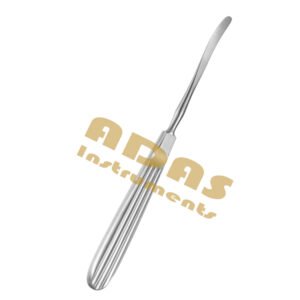
Seven patterns for lifting periosteum off bone, from the fine hand and wrist blades to the heavier craniofacial ones. Tips run 2 mm to 11 mm, and the heavier builds carry a stiffer shaft because periosteum over facial bone takes a firm push. This group is Joseph periosteal elevator, Tessier periosteal elevator, Read periosteal elevator, Read periosteal elevator double ended, Dingman zygomatic elevator, Kleinert Kutz dissector, Kleinert Kutz elevator dissector.
Breast dissectors and spreaders
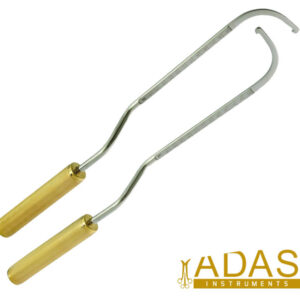
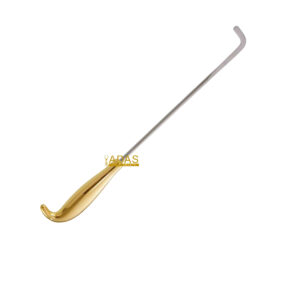
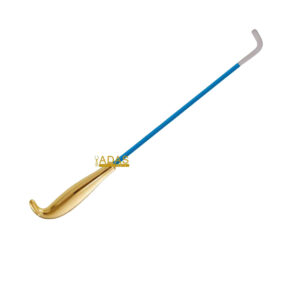
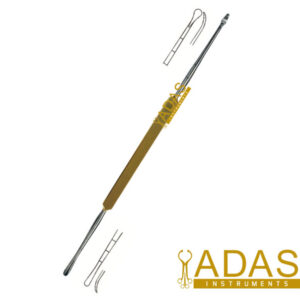
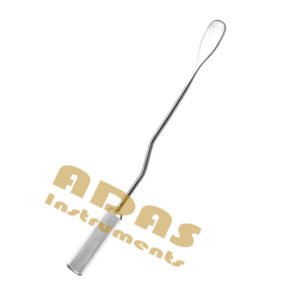
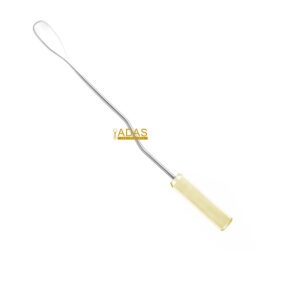
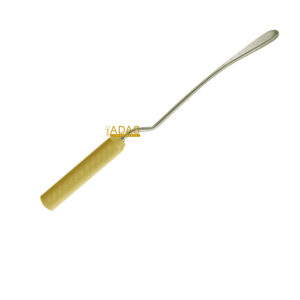
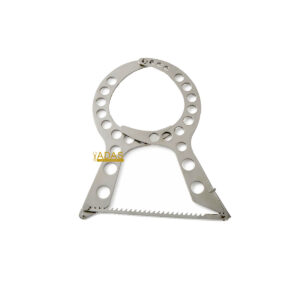
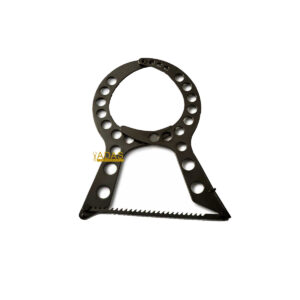
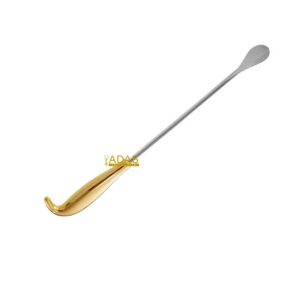
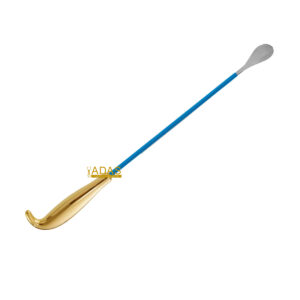
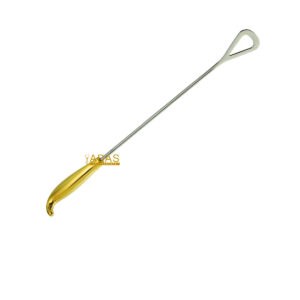
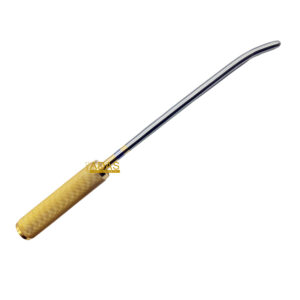
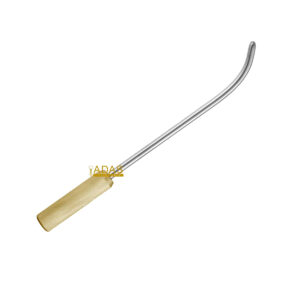
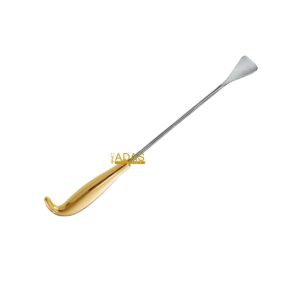
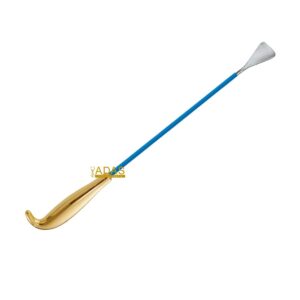
Fourteen patterns for a different problem. The incision is small, the pocket is large and the working end is a long way from the hand, so shaft length and blade stiffness decide whether the plane stays where it was put. This group is Agris Dingman breast dissectors, MacCollum Dingman breast dissector, MacCollum Dingman submammary dissector, Silverstein breast dissector, Penn breast dissector, Reynolds transaxillary breast dissector, Wieslander breast dissector, Jacobs transaxillary dissector, Solz atraumatic breast dissector, Mammostat breast elevator, spatulated blade breast dissectors, oval spatulated blade breast dissectors, angulated blade breast dissectors, Iconoclasts breast spreaders.
Sizes, item codes and bulk orders
Every pattern carries its own item code, printed in the size table on its product page so a procurement search finds it. Backorder items dispatch in 10 to 12 working days. Supplied to hospitals, distributors and OEM buyers, single or bulk, with laser marking available on the shaft. Every instrument carries a three year replacement against manufacturing defects.
Production is controlled under an ISO 13485 quality management system. The instrument is CE marked. The steel itself is made to a German specification.
Common questions about this range
How do you choose between the types of periosteal elevator?
Match the blade to the plane and the shaft to the reach. Perichondrium lifts with almost nothing, so a slender nasal pattern is right. Periosteum on facial bone needs a stiffer blade behind it. A breast pocket needs length first, because the hand stays outside the incision.
What is the difference between an elevator and a dissector?
An elevator lifts one layer off another and keeps it whole. A dissector opens a plane between two structures, usually over a longer distance. Several patterns here are catalogued as both, because the same blunt end does either job depending on where it is put.
How many should a tray carry?
Usually two, sometimes three. Something light for cartilage and something stiffer for bone covers most cases, and the third is added for whatever that unit does often.