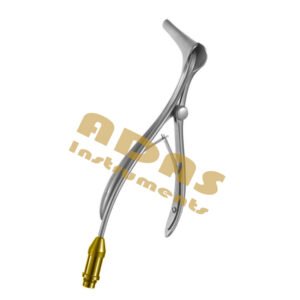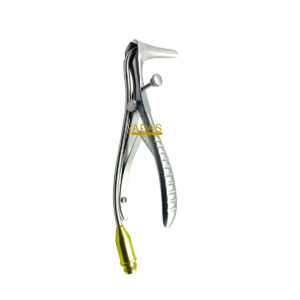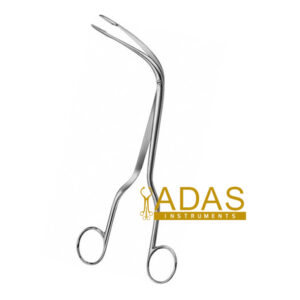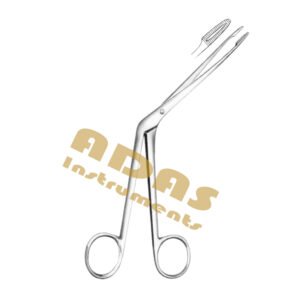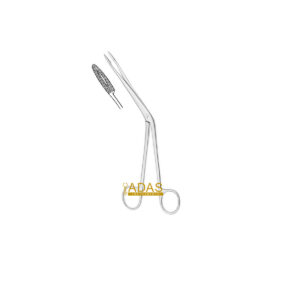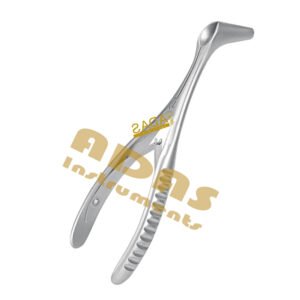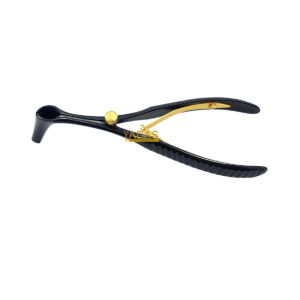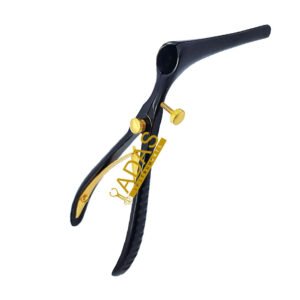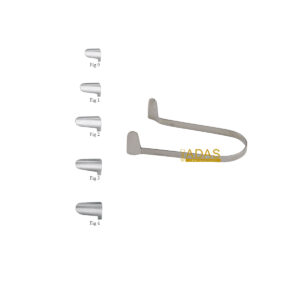
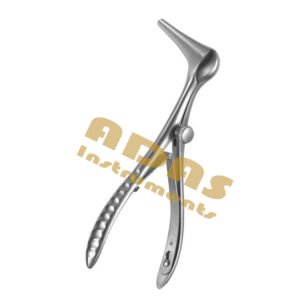
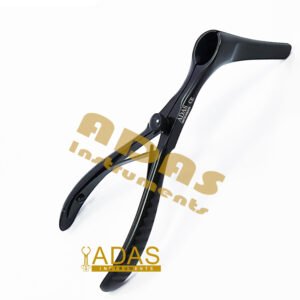
Nasal Specula and Polypus Instruments Manufactured in Our Own Factory
ENT clinics, rhinoplasty surgeons, sleep surgery units, emergency departments managing epistaxis and distributors stocking ENT trays are the usual buyers. The section carries specula from pediatric widths through to long-bladed patterns for deep septal work, and grasping instruments from delicate 2 mm cups used at the antrostomy up to heavier forceps for bulky polypoid disease. Blanks are drop forged, milled and heat treated in our own plant, jaws are matched under magnification, and each box joint is peened, filed and tested for side play. Springs are set by hand so blades return evenly without dragging on mucosa.
Speculum blade lengths commonly run from 35 mm to 90 mm, with Killian patterns offered in three graded lengths and Cottle blades kept narrow for the septal tunnel. Polypus forceps come with 2 mm to 5 mm cups, straight or upturned at 45 degrees and 90 degrees, in working lengths of 11 cm to 19 cm. Blade faces can be smooth or lightly serrated to reduce slipping. Everything is reusable, autoclavable at 134 degrees C and available loose or as an ENT set.
Popular Products in Nasal Specula and Polypus Instruments
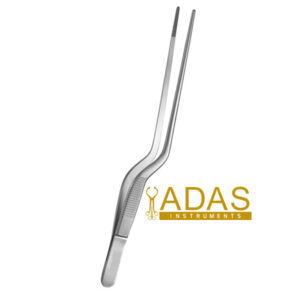
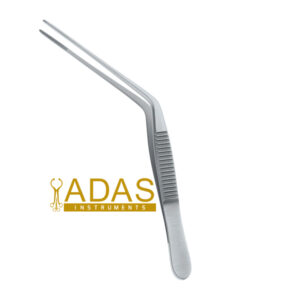
Also available in this category: Troeltsch Ear Dressing Forceps, Otology & ENT Dressing Tool, Jansen Ear Dressing Forceps, ENT & Otology Surgical Instrument.
Choosing the Right Nasal Specula and Polypus Instruments
Picking Speculum Blade Length
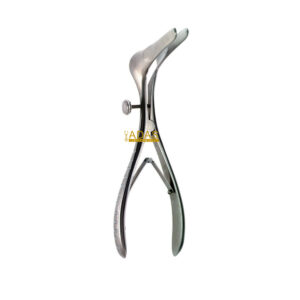
Short blades around 35 mm to 45 mm are right for anterior rhinoscopy, pediatric examination and packing the nasal vestibule. Medium blades near 60 mm reach the middle meatus for most septal and turbinate work. Long blades of 75 mm to 90 mm are needed for deep septal correction and posterior packing, though they open the airway less at the tip. Buying a graded set of three covers clinic and theatre from one purchase.
Cup Size and Angle on Polypus Forceps
A 2 mm to 3 mm cup gives precision at the ostium and around the middle turbinate where over-grasping causes bleeding. A 4 mm to 5 mm cup removes bulk faster in extensive polyposis. Straight jaws suit the anterior cavity, 45 degree upturned jaws reach the middle meatus, and 90 degree jaws work high in the frontal recess. Most surgeons keep straight and 45 degree patterns as the working pair.
Locks, Springs and Handle Action
Screw lock specula hold a set opening, which is helpful during packing or when an assistant is not available. Thumb screw patterns allow the opening to be adjusted mid procedure without letting go. Plain spring specula such as the Thudichum are quickest for clinic examination. On forceps, check that the spring returns the jaws fully without needing a second hand, since a sluggish return slows a long polypectomy considerably.
Why Buy Nasal Specula and Polypus Instruments from ADAS Instruments
- Forge to invoice. Instruments are forged, jointed and polished here, so the price carries no reseller layer.
- Audited system. ISO 13485 certified manufacture with CE marking across the ENT range.
- Forged steel bodies. German surgical grade stainless steel, hardened and hand set at the box joint.
- Trade branding. Logos, your own reference numbers and packaging supplied on small batch quantities.
- New patterns welcome. Provide a sample, drawing or photo and we produce the speculum or forceps you need.
- Shipped by air. DHL and FedEx cover the USA, UK, Europe, Australia and the Gulf in about 3 to 5 working days.
Frequently Asked Questions
Which nasal speculum blade length should I choose?
Match the blade to the depth you work at. Short blades of 35 mm to 45 mm suit clinic rhinoscopy and pediatric examination. Medium blades around 60 mm reach the middle meatus and cover most septal surgery. Long blades of 75 mm to 90 mm are reserved for deep septal work and posterior packing. A graded set of three lengths in one pattern is the most economical way to be ready for all three.
What cup size is right for polypus forceps?
Smaller 2 mm to 3 mm cups give control near the ostium, middle turbinate and skull base, where taking too much tissue in one bite risks bleeding. Larger 4 mm to 5 mm cups clear bulky polyps far more quickly. Surgeons handling mixed workloads normally keep a fine straight forceps and a larger 45 degree upturned forceps on the same tray.
How do I keep the box joints working smoothly?
Clean immediately after use with the jaws open so blood does not set inside the joint, then brush the joint area specifically before the ultrasonic cycle. Dry fully and apply instrument milk to the joint before autoclaving at 134 degrees C. Test the action each cycle by opening and closing the instrument; stiffness or side play means the joint needs attention before it affects jaw alignment.
Do you supply complete ENT sets to distributors?
Yes. We build sets to your own list, combining specula, polypus forceps, snares and supporting instruments in a case, and we mark each piece with your brand and catalog reference. Wholesale and tender enquiries are handled directly by the factory. Minimum quantities are low enough for a distributor to trial a configuration before placing repeat orders.
Request a Quote or a Custom Instrument
Tell us the pattern, size and finish you need and we will send a factory price list the same working day. Email adas.surgical@gmail.com. Wholesale, distributor and hospital tender enquiries are welcome.