


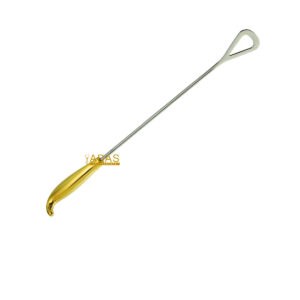
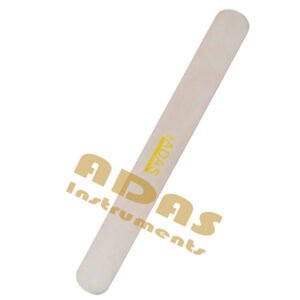

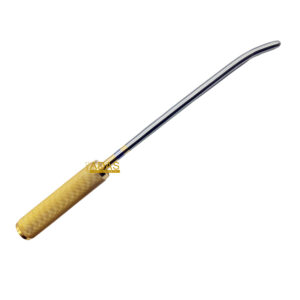
Breast Dissectors and Spreaders Manufactured in Our Own Factory
Aesthetic and reconstructive breast surgeons, oncoplastic teams and the distributors who supply private hospitals form the customer base here. The group is organised around the three demands of breast work: creating and shaping a pocket in the subglandular, subfascial or submuscular plane, holding that pocket open at depth so the surgeon can see and cauterise, and handling glandular tissue and flaps without tearing them. Dissectors are shaped over our own forms so the curve matches the chest wall, edges are rounded and polished, light channels are sealed, and every spreader is checked for smooth ratchet action and jaw alignment before it is packed.
Dissector lengths generally run from 20 cm to 30 cm, with blade widths from 10 mm to 25 mm and left or right curvature where the pocket demands it. Retractor blades are offered plain or with a fibre optic post, in depths suited to submuscular work. Spreaders are supplied with ratchet or spring action. Finishes are satin or matt black to control glare. All items are reusable and autoclavable at 134 degrees C.
Popular Products in Breast Dissectors and Spreaders
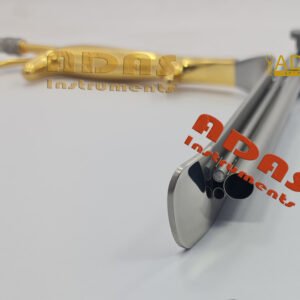
Also available in this category: Sculpo Mammaplasty Retractor | Endo-Channel & Stopcock | 25mm x 18cm, Marx Breast Retractors Mammaplasty Retractor with 30mm Wide Blade and diffrent Lenght Available, Silverstein Breast Dissector, 13-1/2″ Breast Surgery Dissector, Reynolds Transaxillary Breast Dissector, 15-1/2″, 38mm Wide Blade, MacCollum-Dingman Submamm Dissector, 11-3/4″ Length, 20mm Wide Blade.
Breast Dissectors and Retractors by Job
Pocket work is a sequence: open it, hold it, light it. The instruments below are listed in that order.
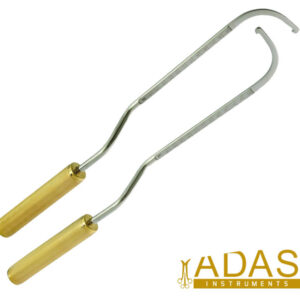
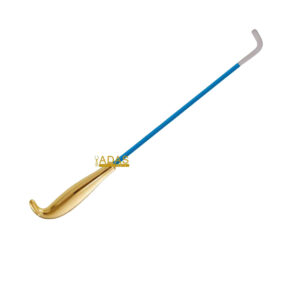
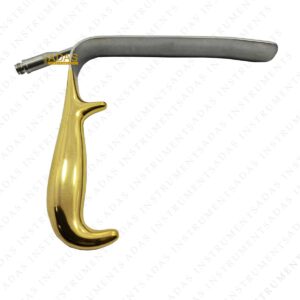
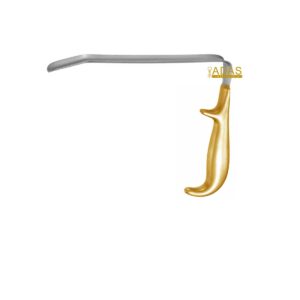
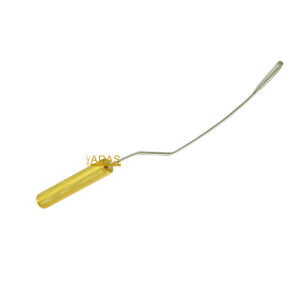
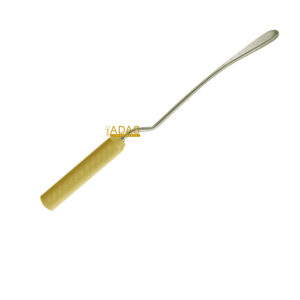
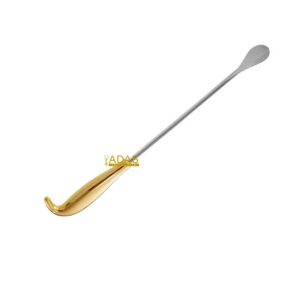
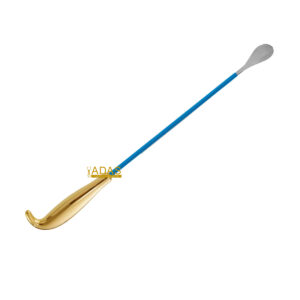
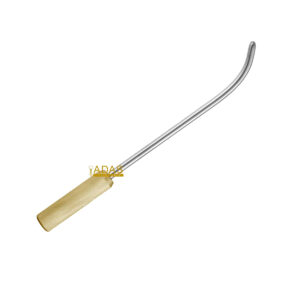
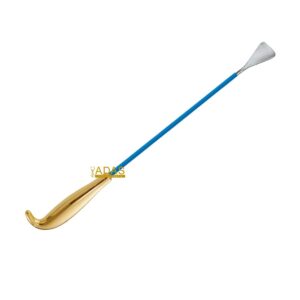
Agris Dingman Breast Dissectors, the classic pair for opening the submammary pocket.
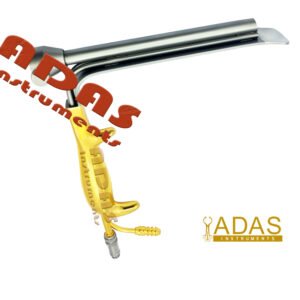
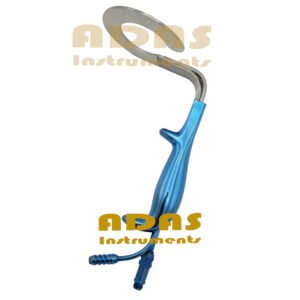
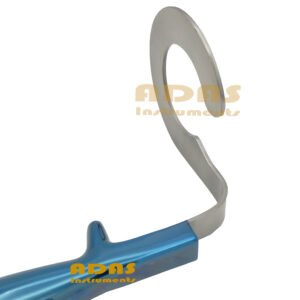
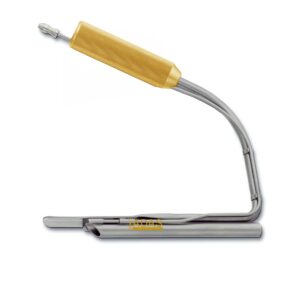
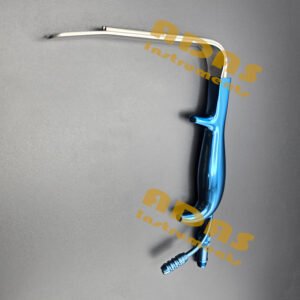
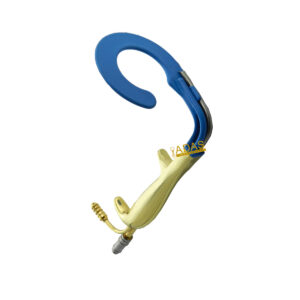
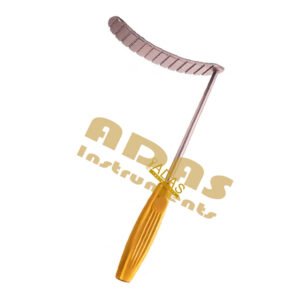
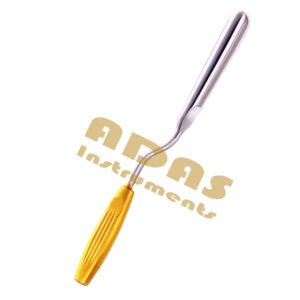
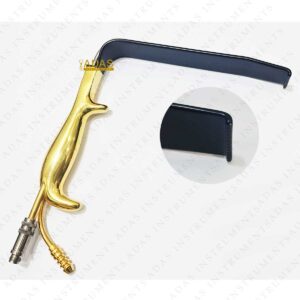
Emory Endoscopic Plastic Retractor, lights and holds the pocket for endoscopic work.
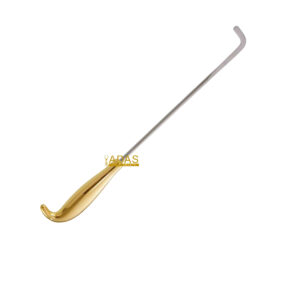
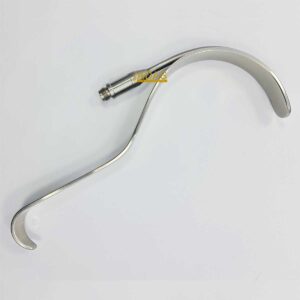
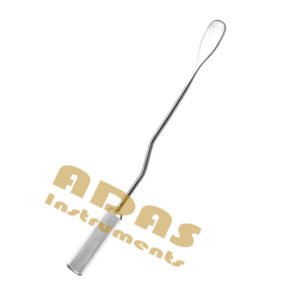
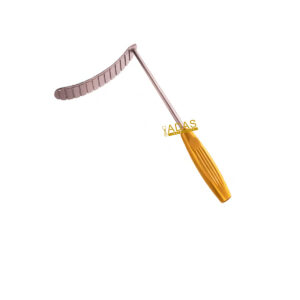
Jacobs Transaxillary Dissector, Curved Shaft, the curve follows the chest wall from an axillary incision.
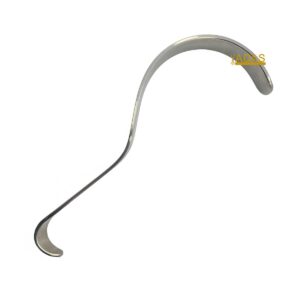
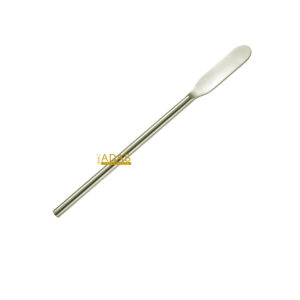
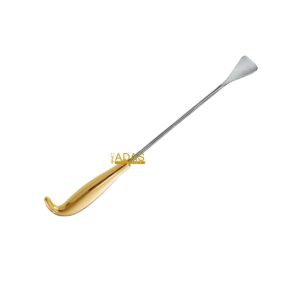
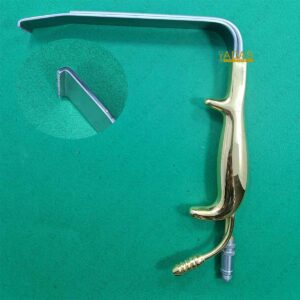
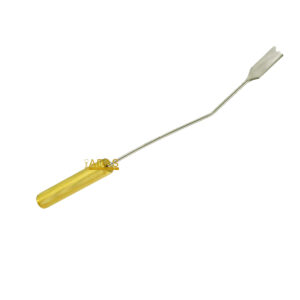
Spatula Retractor, Semi Malleable, bends to the shape the pocket needs and holds it.
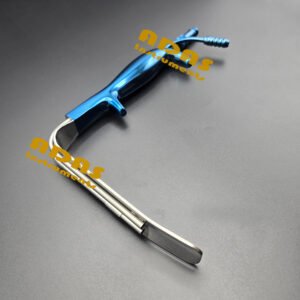
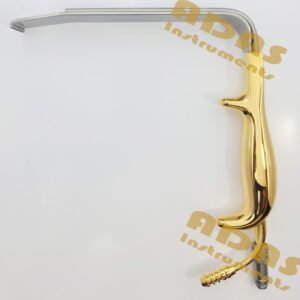
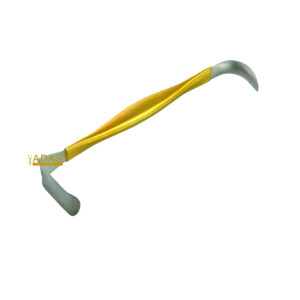
Tebbetts Double End Breast Retractor, two blade sizes on one handle.
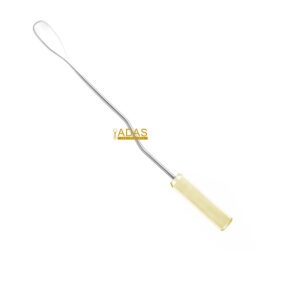
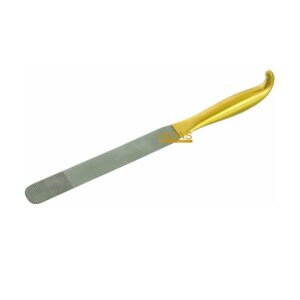
Wieslander Breast Dissector, Wide Blade, a wide blade for sweeping the pocket open.
All are made by Adas Instruments in Sialkot, Pakistan, and can be supplied singly or built into a set to a purchaser specification.
Choosing the Right Breast Dissectors and Spreaders
Blunt dissectors and the pocket plane
Blunt submammary dissectors sweep tissue apart along a natural plane and are quick for the inferior and lateral pocket. They give little bleeding control, so most surgeons use them to define the space and then finish under direct vision with cautery. Subpectoral work needs a longer dissector with a gentle curve that follows the rib cage. Check that the working edge is fully rounded, since a sharp margin will cut muscle fibres.
Lighting the pocket
Depth is the problem in breast surgery, not access. A fibre optic retractor puts light exactly where the cautery tip is working, which shortens haemostasis at the superior pocket and behind the muscle. Blade width should match your incision, narrow for an inframammary approach, wider for periareolar and reduction work. Keep a plain blade of the same shape as a backup, because cables and sources fail at inconvenient moments.
Ratchet spreaders versus hand held exposure
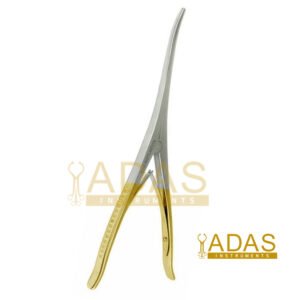
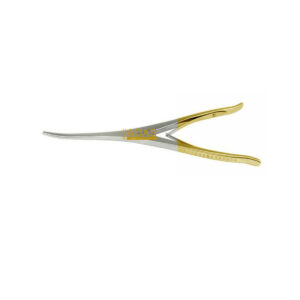
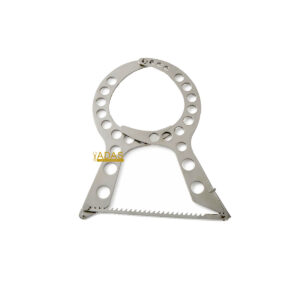
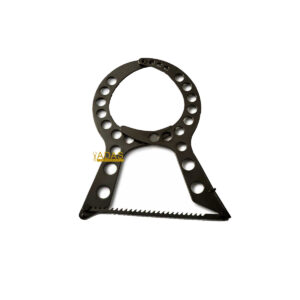
A ratchet spreader holds the pocket open at a fixed width so both of your hands stay free, which helps when checking symmetry or placing an implant. It also applies steady pressure, so release it periodically during long cases. Hand held blades let an assistant change the direction of pull as you move around the pocket. Sizing a spreader to the smallest useful opening reduces stretch on the incision edges.
Why Buy Breast Dissectors and Spreaders from ADAS Instruments
- Producer pricing. Breast sets are quoted by the factory that forms the blades.
- Certified manufacture. ISO 13485 controls, CE marking on the whole group.
- Solid German stock. Long dissectors stay straight under sweeping force.
- Distributor branding. Brand marking, code stamping and printed packaging on request.
- Made to your curve. Send a sample or drawing and we will match the profile.
- Reliable transit. DHL and FedEx deliver most orders within 3 to 5 working days.
Frequently Asked Questions
What length dissector suits a submuscular breast pocket?
Most surgeons choose 25 cm to 30 cm for subpectoral work, since the tip must reach the superior pocket from an inframammary or periareolar incision while your hand stays outside. Subglandular pockets are usually comfortable at 20 cm to 25 cm. A gentle curve matched to the chest wall matters more than raw length, because it keeps the blade against the plane.
Are your lighted breast retractors compatible with our light source?
The light post is machined to standard cable fittings, so tell us which brand of cable your theatre runs and we will supply the matching thread or adapter. The channel is polished and sealed, and the retractor is fully reusable, cleaned like any other instrument and steam sterilised at 134 degrees C. Blade depth and width can be specified when you order.
Do you build complete breast augmentation trays for clinics?
Yes. A common list combines two dissectors of different curve, a lighted retractor, one or two plain blades, a spreader, long Metzenbaum scissors, tissue forceps and a long needle holder. Tell us your technique and incision preference and we will propose the list, quote it as a set, mark it with your codes and pack it in a perforated tray.
How should long breast dissectors be handled to stay straight?
Store them flat or in a slotted tray rather than loose in a box where heavier instruments can rest on them. Do not use a dissector as a lever against bone. After cleaning, check straightness by rolling the shaft on a flat surface and look for any bright mark where the polish has worn through. Bent shafts can often be re-formed and repolished at the factory.
Request a Quote or a Custom Instrument
Tell us the pattern, size and finish you need and we will send a factory price list the same working day. Email adas.surgical@gmail.com. Wholesale, distributor and hospital tender enquiries are welcome.