
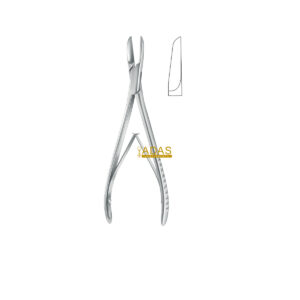
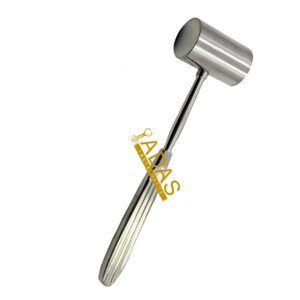
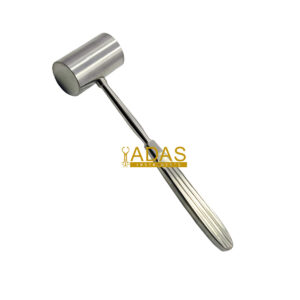
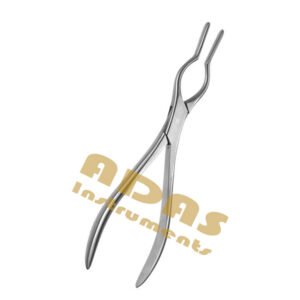
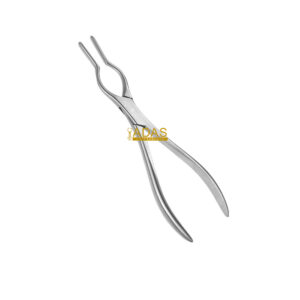
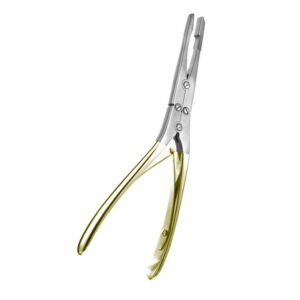
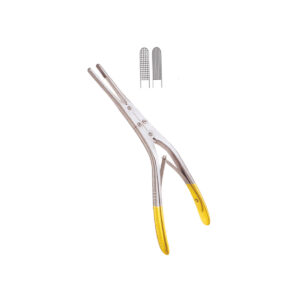
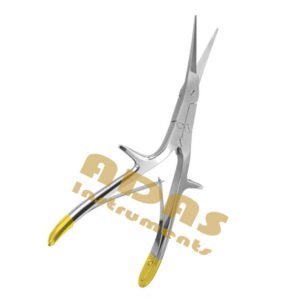

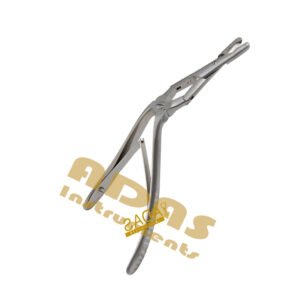
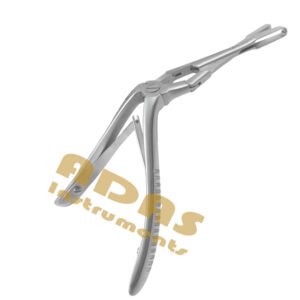
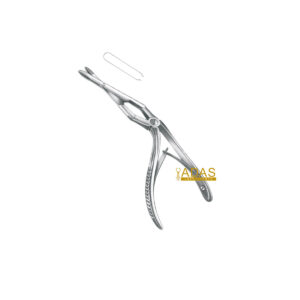
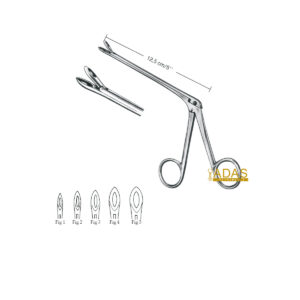
Nasal Cutting, Crusher and Septum Forceps Manufactured in Our Own Factory
ENT surgeons, facial plastic surgeons and the dealers supplying them buy from this section most often, usually alongside elevators and rasps for a complete septal tray. Coverage runs from through-cutting forceps that take a clean bite of bone and cartilage, to crushers that soften a graft without tearing it, to biting and grasping patterns used for turbinate and polyp work. Jaws are milled and matched in pairs at our own plant, then the box lock is fitted, tested for lateral play and adjusted by hand. Cutting edges are ground and every forceps is closed and inspected under magnification before packing.
Working lengths typically fall between 12 cm and 20 cm, with bites from 3 mm micro cups up to 6 mm on heavy Jansen Middleton patterns. Upturned, downturned, straight and 45 degree angled heads are stocked, along with left and right variants where a procedure needs them. Tungsten carbide cutting edges are available for longer sharpness between regrinds. Satin polish is standard. Everything in the group is reusable and autoclavable at 134 degrees C.
Popular Products in Nasal Cutting, Crusher and Septum Forceps
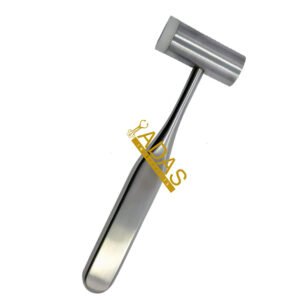
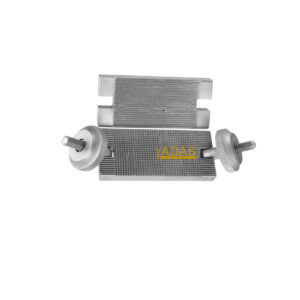
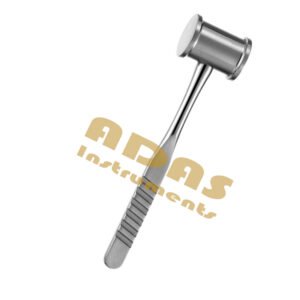
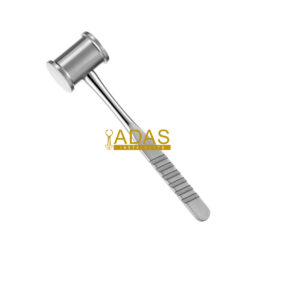
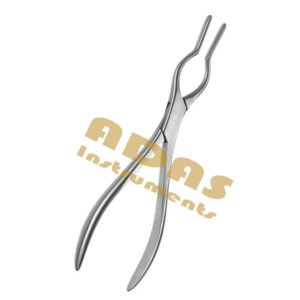
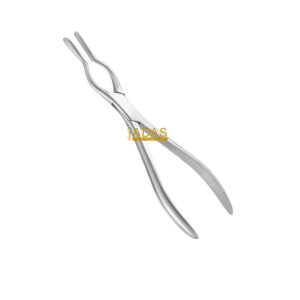
Also available in this category: Nasal Mallet Stainless Steel | 3/4 lb. | 197mm | Rhinoplasty Tool, Hayden Mallet Nylon Head | 18.8cm | 9oz / 255g | Rhinoplasty Tool, Cottle Nasal Mallet Solid | Rhinoplasty & ENT Surgical Hammer, Jansen Middleton Septum Forceps | Professional Spoon Shape Cup Septum Forceps, Jansen Middleton Septum Through Cutting Forceps | 17.5cm | Precise Resection.
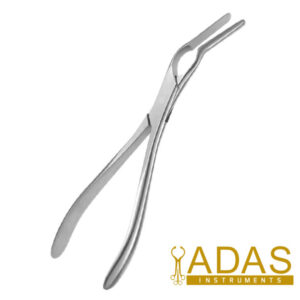
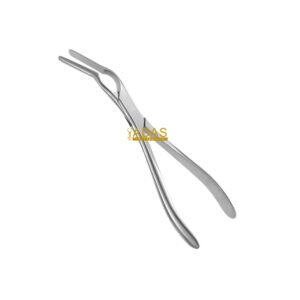
Nasal Cutting and Crushing Forceps
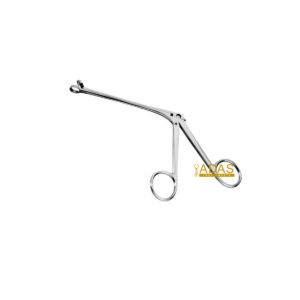
Forceps that cut or crush nasal bone and cartilage.
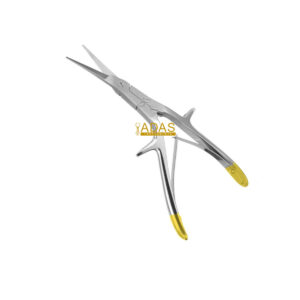
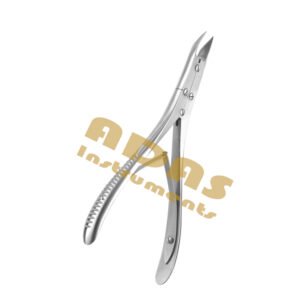
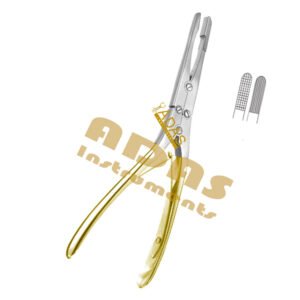
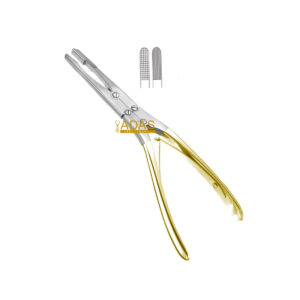
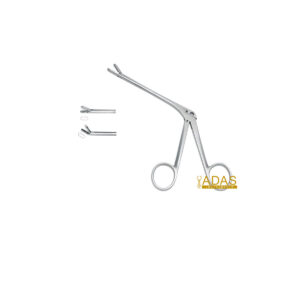
Cottle Kazanjian Bone Cutting Forceps, cuts nasal bone and cartilage in one bite.
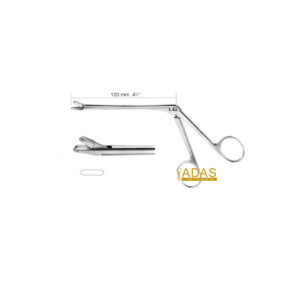
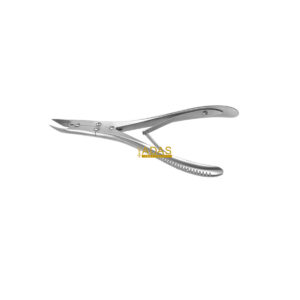
McIndoe Bone Cutting Forceps, Double Action, the double action multiplies the grip for harder bone.
All are made by Adas Instruments in Sialkot, Pakistan, and can be supplied singly or built into a set to a purchaser specification.
Choosing the Right Nasal Cutting, Crusher and Septum Forceps
Selecting Jaw Bite and Angle
Bite size governs how much tissue leaves with each pass. A 3 mm cup gives control near the roof and around the perpendicular plate, while 5 mm and 6 mm jaws clear a deviated spur far faster. Angle matters just as much. Upturned heads reach the superior septum without the handle blocking the endoscope, and straight jaws suit anterior work. Most septal trays therefore carry one straight and one upturned forceps rather than a single compromise pattern.
Through Cutting Versus Crushing Action
Through-cutting jaws close metal to metal and divide the specimen cleanly, which protects mucosa and limits stripping. Crushing patterns exist for cartilage grafts, where the aim is to soften and flatten a piece so it lies flat under the skin without fracturing. Used as a crusher, a cutting forceps blunts quickly, and used as a cutter, a crusher tears tissue. Keep the two functions on separate instruments so neither job compromises the other.
Maintaining Edges and Box Locks
Blood and bone dust dry inside the box lock and stiffen the action, so open the joint fully during cleaning and run a soft brush along the hinge. Check closure by holding the forceps up to the light with the jaws shut. Visible daylight along a cutting edge means the pattern needs regrinding or replacement. Tungsten-carbide edged versions hold sharpness through more cycles and are worth specifying on the forceps used in every case.
Why Buy Nasal Cutting, Crusher and Septum Forceps from ADAS Instruments
- Manufacturer level cost. The forceps ships from the workshop that forged and ground it.
- Audited quality system. ISO 13485 production with CE marking across the nasal range.
- Hardened German steel. Jaws are cut from German surgical grade stainless and heat treated in house.
- Dealer branding available. Your logo, codes and cartons under our OEM programme with low minimums.
- Pattern replication. Send a worn forceps or a drawing and we reproduce the jaw geometry.
- Fast air freight. DHL and FedEx deliver to the USA, UK, Europe, Australia and the Gulf in roughly 3 to 5 working days.
Frequently Asked Questions
Which forceps is used to crush a cartilage graft?
A dedicated septum or cartilage crusher, with broad flat jaws that flatten and soften the graft without cutting through it. Surgeons harvesting septal or conchal cartilage for dorsal onlay and tip grafts normally keep one crusher on the tray. Cutting forceps should not be substituted, since the sharpened edges will divide the graft and the edge itself dulls quickly against cartilage handled that way.
Are tungsten carbide inserts available on nasal cutting forceps?
Yes, on the through-cutting and biting patterns where edge life matters most. Tungsten carbide holds sharpness through more sterilisation and cutting cycles than plain stainless, which suits a high volume septoplasty list. Standard stainless versions of the same forceps remain available where budget leads the decision. Tell us which lines in your order should carry the carbide specification and we will quote both options.
What lengths suit endoscopic septoplasty?
Longer shanks of around 18 cm to 20 cm keep the surgeon’s hand clear of the endoscope and allow comfortable work at the posterior septum. Shorter 12 cm to 14 cm patterns stay useful for anterior cartilage. Bayonet and upturned heads help preserve the view down the scope. Many surgeons stock both lengths so the same jaw pattern is on hand for anterior and posterior stages.
Do you accept wholesale and hospital tender orders?
Yes. We supply distributors, group purchasing buyers and hospital tender departments straight from the factory, and pricing improves with quantity. Send your item list with quantities and any tender specification document, and we will return a quotation with lead times. Private label marking, packaging and the supporting paperwork for a tender submission can all be arranged within the same order.
Request a Quote or a Custom Instrument
Tell us the pattern, size and finish you need and we will send a factory price list the same working day. Email adas.surgical@gmail.com. Wholesale, distributor and hospital tender enquiries are welcome.