
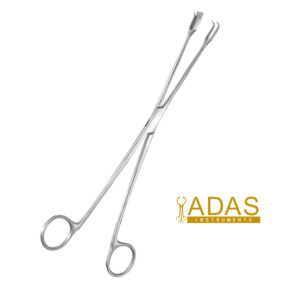
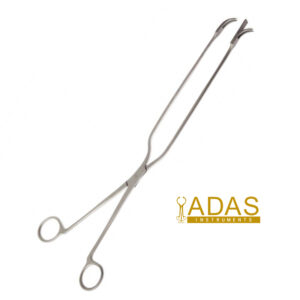
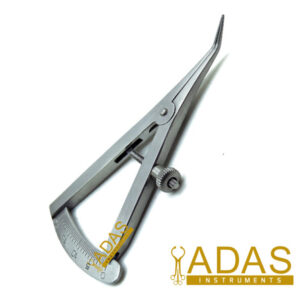
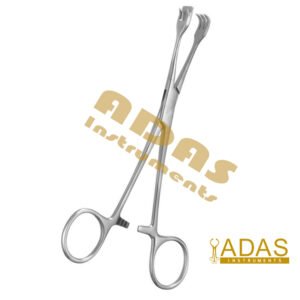
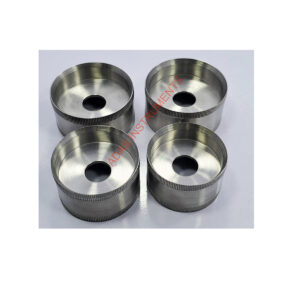
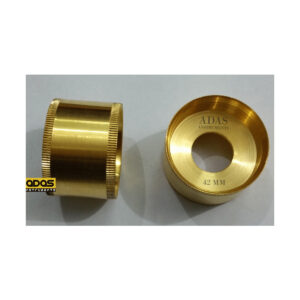
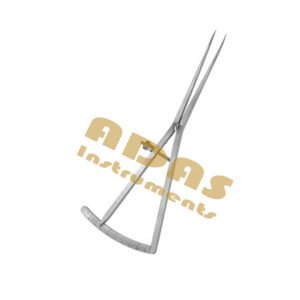
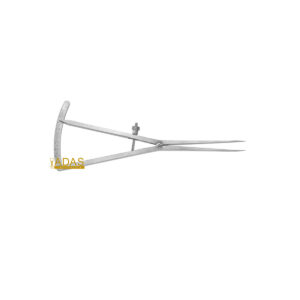
Marking and Measuring Instruments Manufactured in Our Own Factory
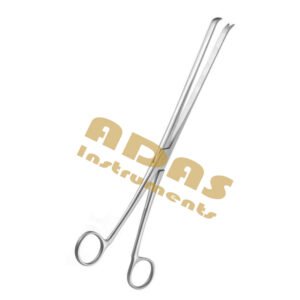
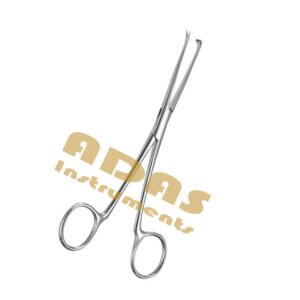
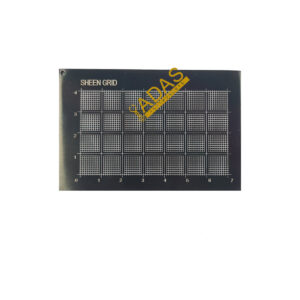
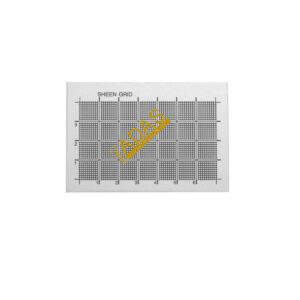
Plastic surgeons planning breast symmetry, oculoplastic teams sizing grafts, dermatology clinics mapping excision margins and hospital theatre departments restocking measurement trays all draw on this group. Stock covers fine-tip precision calipers, heavier spreading and thickness calipers, rules graduated in millimeters and inches, malleable rules that follow body contour, angle and protractor gauges, and holders that carry a marking tip. Bar stock is cut, milled and profiled inside our own plant, graduations are engraved and blackened on our marking machines, and each joint or spring is set by hand, then tested, polished and passed through final inspection before packing.
Measuring ranges run from 0 mm to 20 mm on ophthalmic calipers through to 0 cm to 30 cm on theatre rules, with locking screws, spring returns or ratchet stops according to pattern. Satin finishing controls glare under operating lights, while mirror polish suits instruments cleaned most often. All items are reusable and autoclavable at 134 degrees C, and can be bought as single pieces or grouped into marking sets in an aluminum sterilization case.
Popular Products in Marking and Measuring Instruments
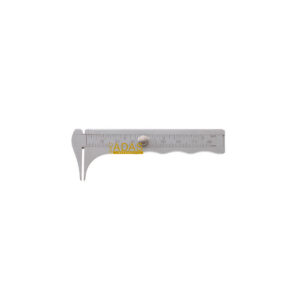
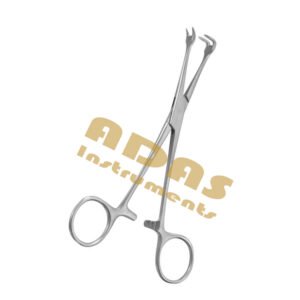
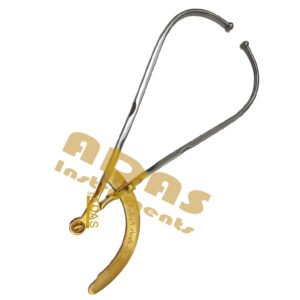
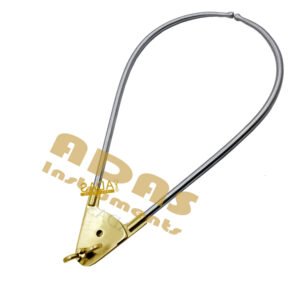
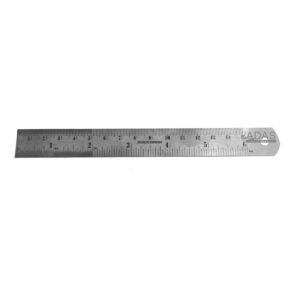
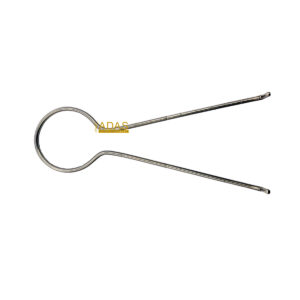
Also available in this category: Castroviejo Caliper 20mm, high quality medical grade stainless steel Surgical Measuring Instrument, Surgical Ruler Graduated in mm & inches, Martin Mammaplasty Caliper Gold | Precision Breast Surgery Marker, Freeman double ended Areola Marker round shape, McKissock Mammaplasty Caliper | Surgical Breast Reduction Marker.
Choosing the Right Marking and Measuring Instruments
Choosing the Right Caliper Measuring Range
Match the range to the task rather than buying the longest scale on offer. Eyelid, corneal and small graft measurement is served by calipers reading 0 mm to 20 mm with fine points and half millimeter graduations. Rhinoplasty, ear and lip measurement usually calls for 0 mm to 50 mm. Breast, trunk and body contouring is faster with a spreading caliper reading up to 300 mm. Specify a locking screw when a figure has to be carried across the drape.
Engraved Graduations Versus Printed Scales
Scales cut into the steel and then blackened stay readable through hundreds of processing cycles, whereas surface printing fades and lifts at the edges. Ask for engraved graduations on any rule or caliper that goes through the autoclave daily. A satin or bead blasted panel behind the numbers cuts reflection under theatre lighting and makes the scale easier to read at an angle, which matters when marking a seated or standing patient.
Rigid Rules, Malleable Rules and Marking Aids
A flat rigid rule is best for straight incision lines and for checking implant dimensions on the back table. Malleable rules bend to the chest wall, jawline or limb and hold the shape given to them, which suits contour marking and areola positioning. Marker holders, area templates and wheel type markers speed up repetitive preoperative work. Many surgeons keep one rigid rule, one malleable rule and a caliper together in the same tray.
Why Buy Marking and Measuring Instruments from ADAS Instruments
- Workshop pricing. You buy from the bench that machines and engraves the instrument, with no agent margin added.
- ISO 13485 and CE. Every piece is made under a certified quality system and CE marked for European supply.
- Steel that stays readable. German surgical grade stainless steel with engraved, blackened graduations rather than printed scales.
- Your brand engraved. Customer logo, catalog codes and packaging are available at low minimum quantities.
- Made from your sketch. Send a drawing, photograph or sample and we build the measuring tool to match.
- Courier shipping. DHL and FedEx reach the USA, UK, Europe, Australia and the Gulf in about 3 to 5 working days.
Frequently Asked Questions
What measuring range should I choose for a surgical caliper?
Pick the range that matches your field of work. Eyelid, corneal and small graft measurement is best served by a 0 mm to 20 mm caliper with fine points. Nasal, ear and lip work suits 0 mm to 50 mm. Breast and body contouring measurement is quicker with a spreading caliper reading to 300 mm. Most surgeons keep one fine caliper and one spreading caliper in the same tray.
Will the graduations fade in the autoclave?
They should not. Scales are engraved into the steel and blackened rather than printed on the surface, so they survive repeated processing at 134 degrees C. If contrast does soften after years of daily use, the instrument can be returned for re-blacking. A satin panel behind the numbers is worth specifying, since it keeps the scale readable under bright theatre lighting.
Are your skin marker holders reusable?
Yes. The holders and marking forceps in this section are solid stainless steel, fully autoclavable at 134 degrees C and built for repeated use. They ship without any pen or ink, so the clinic pairs them with whatever marking media it already approves. Areola templates, wheel markers and measuring gauges in the same group are equally reusable and processed the same way.
Can you engrave our clinic or distributor logo on rulers and calipers?
Yes. OEM and private label work is a standard service for us. We engrave your logo, catalog number and size directly onto the instrument, then pack in your own pouch, blister or box design. Minimum quantities are low compared with most factories, and an artwork proof is always approved by you before we cut the first production piece.
Request a Quote or a Custom Instrument
Tell us the pattern, size and finish you need and we will send a factory price list the same working day. Email adas.surgical@gmail.com. Wholesale, distributor and hospital tender enquiries are welcome.


