


Endoscopic Forehead and Facial Instruments Manufactured in Our Own Factory
Facial plastic surgeons and oculoplastic teams performing endoscopic brow and midface lifts are the main users, with training centres and specialist distributors making up the rest. The section covers the full sequence of an endoscopic case: creating the optical cavity, elevating periosteum from the frontal bone and temporal fossa, releasing the arcus marginalis and temporal ligamentous adhesions, protecting the supraorbital and supratrochlear nerves, then fixation and closure. Shafts are machined from solid bar rather than tube where rigidity matters, tips are profiled and polished, light channels are sealed and each retractor is checked for optical clearance against a standard 4 mm endoscope.
Shaft lengths commonly fall between 18 cm and 28 cm so the tip reaches the orbital rim from a scalp port. Elevators are marked in centimetres for depth reference, and are offered flat, curved, spoon shaped and serrated for scoring periosteum. Matt black anti-glare finish is standard on retractors and sheaths to stop the camera washing out. Tungsten carbide is offered on graspers and scissors. Items sell singly or as a brow lift set.
Popular Products in Endoscopic Forehead and Facial Instruments
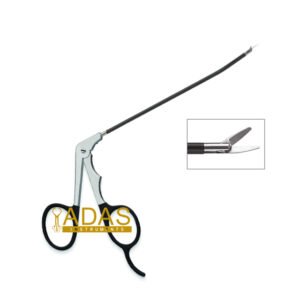
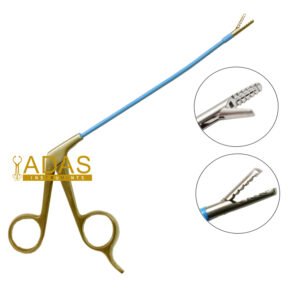
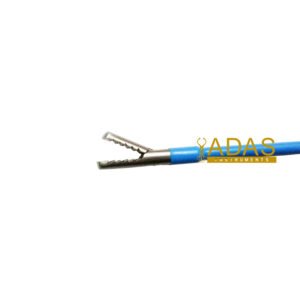
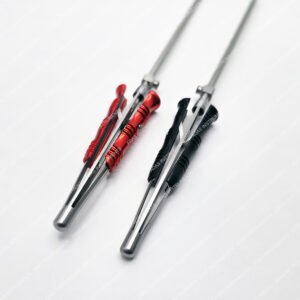
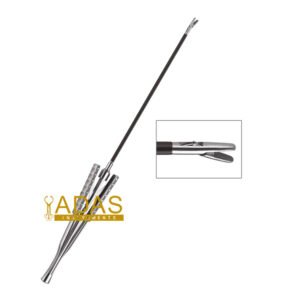
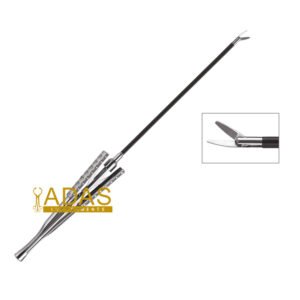
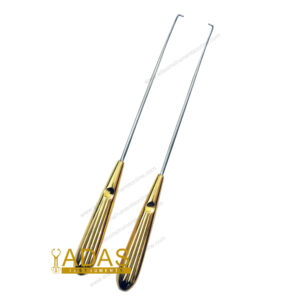
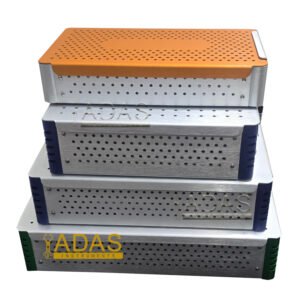
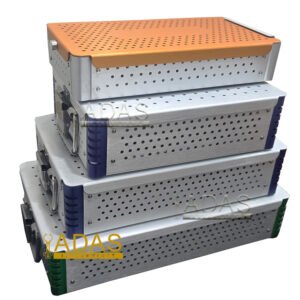
Also available in this category: Aluminum Sterilization Boxes, lightweight perforated, Endoscopic Forehead Punch, Endoscopic Forehead Needle Holder TC, 15cm, with Ergonomic Handle and Straight Malleable, Endoscopic forehead Grasper Forceps, 12.5cm, Coated, Daniel Endoscopic Forehead Scissors, 12.5cm.
Endoscopic Forehead Instruments by Job
Endoscopic brow and midface work is done through small ports, so every instrument here is long, narrow and shaped for one step of the dissection.
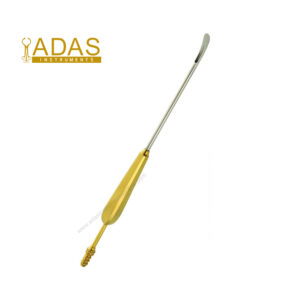
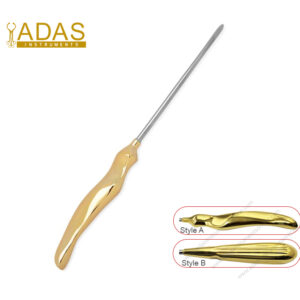
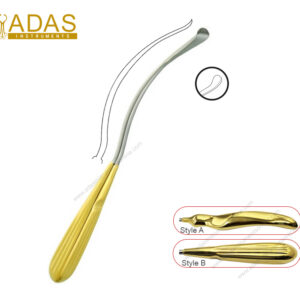
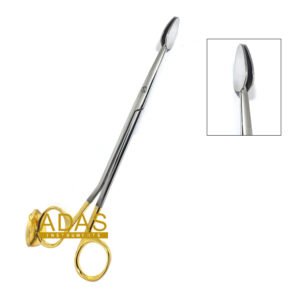
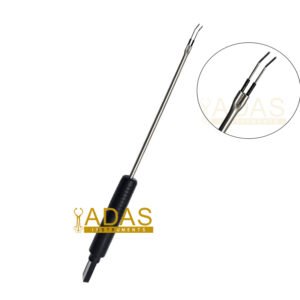
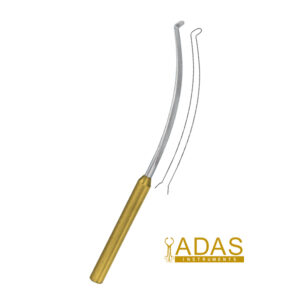
Corrugator Procerus Muscle Dissector, reaches the corrugator and procerus through a small port.
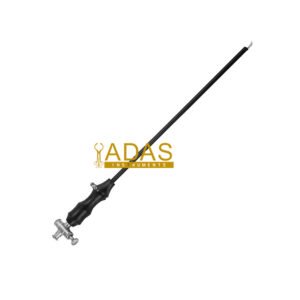
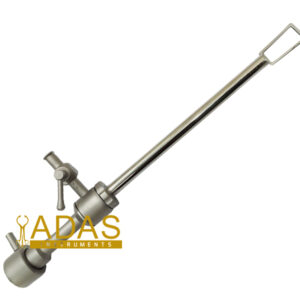
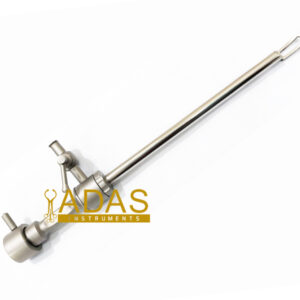
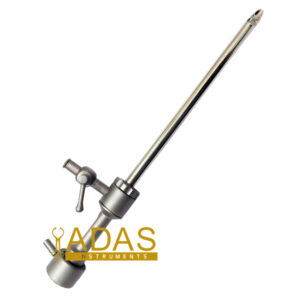
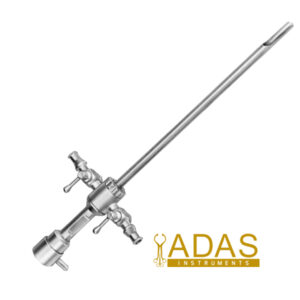
Endoscopic Sheath, 17.5 cm, protects the scope and keeps the optic clear inside the pocket.
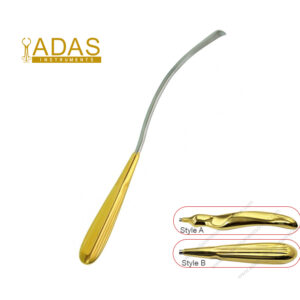
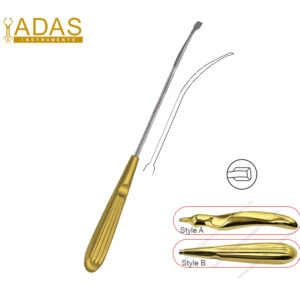
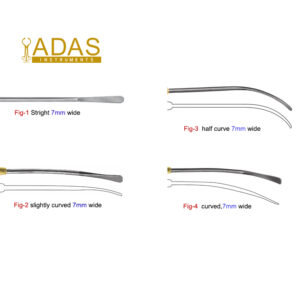
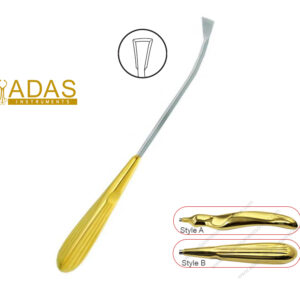
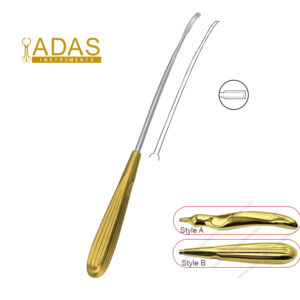
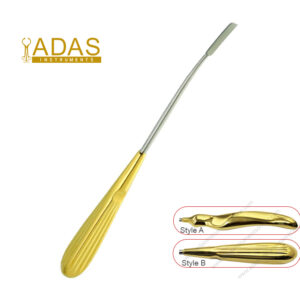
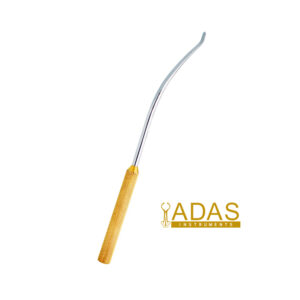
Endoscopy Parietal Periosteal Elevator, lifts periosteum off the parietal bone under the scope.
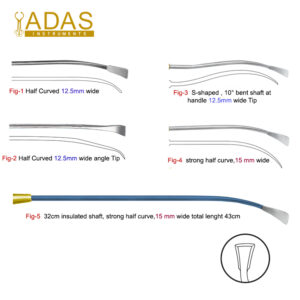
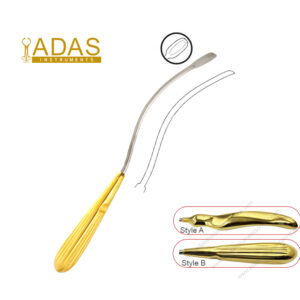
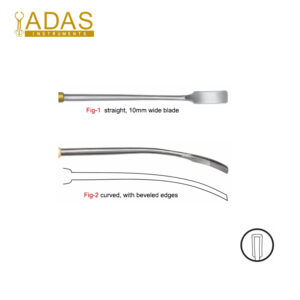
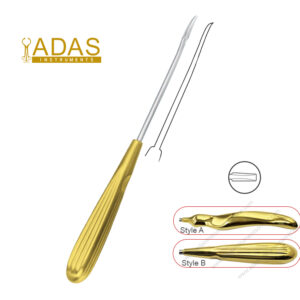
Forehead Periosteal Spreader, opens the plane once the periosteum is raised.
Nerve Protector, 17 cm, shields the supraorbital and supratrochlear nerves during dissection.
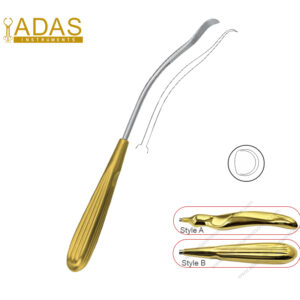
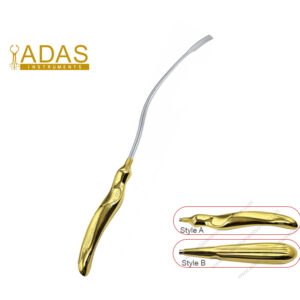
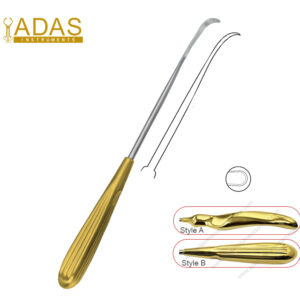
Transoral Dissector, 23.5 cm, reaches the midface through an intra-oral incision.
All are made by Adas Instruments in Sialkot, Pakistan, and can be supplied singly or built into a set to a purchaser specification.
Choosing the Right Endoscopic Forehead and Facial Instruments
Matching the retractor to your endoscope
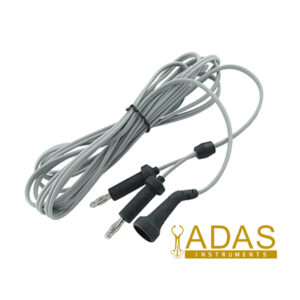
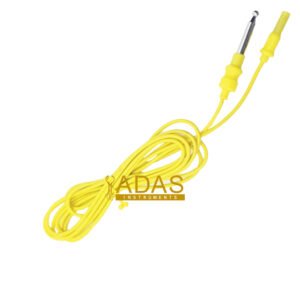
Optical cavity retractors are built around a channel that carries the endoscope at a fixed angle to the tissue. Check the channel diameter against your scope, usually 4 mm, and confirm whether you use a 30 degree or 0 degree lens, since the slot position differs. A matt black interior reduces reflection on the monitor. If your set includes a light post, confirm the cable fitting before ordering.
Elevator tips for blind and visualised phases
The first part of a brow lift is done blind, so a broad flat elevator with a rounded edge is safest over the frontal bone. Once the endoscope is in, switch to a narrower curved or spoon tip that follows the orbital rim and lets you see the release. Serrated or toothed edges score periosteum along the arcus marginalis. Depth markings on the shaft help you stay above the nerve exits.
Graspers, scissors and fixation tools
Endoscopic graspers need fine jaws that close fully at the tip, since they are used to hold corrugator fibres and small vessels for cautery. Look for a rotating shaft and a spring handle that can be worked with two fingers. Scissors should have short blades so the cut stays inside the visual field. For fixation, a bone tunnel guide, a suture passer and a knot pusher shorten the closure considerably.
Why Buy Endoscopic Forehead and Facial Instruments from ADAS Instruments
- Straight from production. Endoscopic sets cost less without a distributor layer on top.
- Quality system in place. ISO 13485 manufacturing, CE marked product.
- Rigid steel shafts. Long tips resist flexing when you push against periosteum.
- Set branding. Marking, numbering and printed cases in your own identity.
- Instrument development. Bring us a concept sketch and we will make a working prototype.
- Tracked couriers. DHL and FedEx move orders to theatre in about 3 to 5 working days.
Frequently Asked Questions
What instruments are needed for an endoscopic brow lift?
A typical tray holds an optical cavity retractor for the scope, two or three periosteal elevators in different widths and curves, a curved dissector for the temporal fossa, an endoscopic grasper for corrugator work, fine scissors, a suture passer and a knot pusher. Add a bone tunnel guide or fixation instrument if you anchor to the frontal bone, plus standard skin hooks for the access ports.
Do your instruments fit standard endoscopes and light cables?
Retractor channels are made for common 4 mm endoscopes and light posts are cut to standard cable threads. Tell us the scope diameter, lens angle and cable brand you use and we will confirm compatibility, or machine the channel and post to your dimensions. We do not supply the camera system itself, only the reusable steel instruments that carry it.
How are long endoscopic instruments cleaned and sterilised?
Dismantle any removable sheath, brush the shaft and any channel with a long flexible brush, then clean with enzymatic detergent and ultrasonic treatment. Rinse, dry thoroughly and lubricate hinges on graspers and scissors. Steam sterilise at 134 degrees C in an open or perforated tray. Check that the matt black finish is intact and that jaw tips still meet before returning items to the set.
Can a complete endoscopic set be supplied under our brand?
Yes. We build the instrument list with you, mark each shaft with your logo and codes, and deliver in a fitted case or perforated tray with your printed insert. Because manufacturing is ours, minimum quantities stay low and repeat orders match the first batch. Wholesale, distributor and hospital tender pricing is quoted on the full list rather than piece by piece.
Request a Quote or a Custom Instrument
Tell us the pattern, size and finish you need and we will send a factory price list the same working day. Email adas.surgical@gmail.com. Wholesale, distributor and hospital tender enquiries are welcome.