 Enquiry Cart
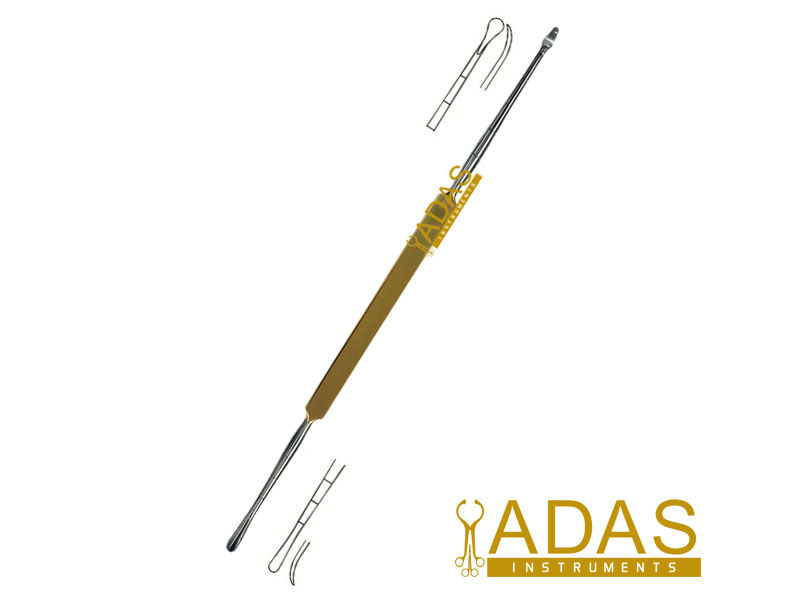
Cottle Septum Elevator Graduated Double-Ended, – Septum & Periosteal Elevator
$ 23.00
The Cottle Septum Elevator Double-Ended, Graduated is a versatile, high-precision tool designed for septal and nasal reconstructive surgery. Featuring a dual-ended design with integrated graduation marks, it allows surgeons to measure depth while performing delicate elevation of the mucoperichondrium or periosteal layers.
- Main Application: Ideal for Septoplasty and Rhinoplasty to elevate the mucoperichondrium and periosteum.
- Dual-Ended Versatility: Features two different tip widths (3mm/2.1mm or 5mm/5mm) for varying anatomical needs.
- Graduated Scale: Laser-marked measurements for accurate depth control during elevation.
- Material: Manufactured from reusable German Stainless Steel for maximum longevity.
- Finish: Non-glare matt finish to reduce eye strain under surgical lights.
- Warranty: Protected by our signature Lifetime Technical Warranty.
Fast Global Shipping
3-5 Days to USA, UK & Europe via DHL/FedEx.
3-Year Warranty
German Stainless Steel. Free replacement guarantee.
Direct Manufacturer
Factory Direct Prices. Wholesale & OEM available.
Cottle Septum Elevator Graduated Double-Ended – Nasal Septum and Periosteal Elevator
The Cottle Septum Elevator Double-Ended, Graduated from Adas Instruments, is a precision nasal septum elevator and periosteal elevator designed for rhinoplasty, septoplasty, and other nasal reconstructive procedures. This Cottle septum elevator, double-ended, graduated combines a slim shaft with engraved depth marks in centimetres so surgeons can track how far the instrument has advanced inside the nose during submucosal and subperiosteal dissection. It is ideal for elevating mucoperichondrial and mucoperiosteal flaps along the nasal septum and bony dorsum with excellent control.
As a dedicated Cottle septum elevator, the instrument provides two distinct working tips that support both broad and fine tissue elevation. One end typically offers a wider spatula blade for gentle lifting of periosteum and soft tissue, while the opposite end has a narrower or rounded tip for precise dissection close to delicate structures. The double-ended design reduces instrument changes and makes the Cottle Septum Elevator Double-Ended, Graduated a versatile choice for functional and cosmetic nasal surgery.
Design and features Of elevator cottle
The shaft of the Cottle Septum Elevator Double-Ended, Graduated is marked in centimetre increments, giving the surgeon an immediate reference for depth during tunnelling along the nasal septum or lateral nasal wall. This graduated design enhances safety when visual landmarks are limited. The double-ended configuration places two periosteal elevator blades on a single central handle, saving space on the tray and allowing quick switching between blade profiles. A flat or slightly contoured handle provides a non-slip grip, and the satin stainless steel finish minimizes glare from the operating light.
Clinical applications Of graduated nasal elevator
- Elevation of mucoperichondrial flaps in septoplasty using the Cottle septum elevator blade.
- Periosteal elevation over the nasal bones and the frontal process of the maxilla in rhinoplasty with the periosteal elevator end.
- Creation of subperiosteal tunnels during dorsal hump reduction and nasal fracture repair.
- Fine soft tissue dissection in ENT and plastic surgery, where a graduated, double-ended septum elevator offers precise depth control.
| Specification | Detail |
|---|---|
| Instrument name | Cottle Septum Elevator Double-Ended Graduated, periosteal elevator rhinoplasty |
| Primary use | Nasal septum elevator and periosteal elevator for rhinoplasty and septoplasty |
| Overall length | Approx. 20–23 cm / 8–9 inch nasal profile (model dependent) |
| Blade configuration | Double-ended elevator with wider spatula blade (about 4–5 mm) and narrower round or sharp/blunt end (about 2–3 mm) |
| Graduations | Shaft graduated in centimetres or 10 mm increments for depth measurement |
| Handle design | Flat or contoured central handle for non-slip control |
| Material | Surgical-grade stainless steel |
| Finish | Satin / matte finish to reduce glare |
| Reusability | Reusable, autoclavable instrument supplied non-sterile |
| Specialties | Rhinology, ENT, plastic and reconstructive nasal surgery |
Related instruments and categories
Discover more rhinology elevators in our ENT Instruments and Rhinology Instruments categories.
You may also like the Joseph Masing Septum Elevator/Periosteal Elevator and the Rhinoplasty Instrument Set to complete your nasal and septal surgery tray.
People also ask
Q: What is the Cottle Septum Elevator Double-Ended, Graduated used for?
A: The Cottle Septum Elevator Double-Ended, Graduated is used as a nasal septum elevator and periosteal elevator to lift mucoperichondrial and periosteal flaps during rhinoplasty and septoplasty.
Q: Why does the Cottle septum elevator shaft have graduations?
A: The graduated shaft lets the surgeon measure how far the Cottle septum elevator has advanced inside the nasal cavity, improving depth control during tunnelling and subperiosteal dissection.
Q: How do the double-ended tips of the Cottle Septum Elevator help in surgery?
A: One broader blade provides gentle, broad elevation, while the narrower tip offers precise dissection near delicate structures, reducing tissue trauma in nasal surgery.
Q: In which procedures is the Cottle Septum Elevator Double-Ended, Graduated commonly used?
A: It is commonly used in septoplasty, functional and cosmetic rhinoplasty, nasal fracture repair and other rhinology procedures requiring controlled periosteal elevation.
Q: Is the Cottle Septum Elevator Double-Ended, Graduated reusable?
A: Yes, it is made from surgical stainless steel, reusable and autoclavable when processed according to standard hospital protocols.
| Weight | 0.08 kg |
|---|---|
| Select Size | 21cm / tips 3mm & 2.1mm Wide, 23cm / tips 5mm & 5mm Wide |
Be the first to review “Cottle Septum Elevator Graduated Double-Ended, – Septum & Periosteal Elevator”
Shipping & Delivery Policy
Processing Time: In-stock items are dispatched within 24-48 hours. For custom or out-of-stock items, production time is approximately 10-15 days.
Global Delivery Estimates
We partner with world-class couriers (DHL, FedEx) to ensure fast, tracked delivery.
- USA & Canada: 3-5 Business Days
- Europe & UK: 4-6 Business Days
- Rest of World: 5-7 Business Days
*We offer Air Cargo and Sea Freight options for bulk wholesale orders.
Customs & Duties
International buyers are responsible for any customs duties or taxes imposed by their country. Adas Instruments is not responsible for delays caused by customs clearance.
Lost Packages & Insurance
If your package is lost in transit, please contact us immediately. We offer full support and replacements for confirmed lost shipments. Note: You must report non-delivery within 3 weeks to be eligible for an insurance claim.
Related products



Reviews
There are no reviews yet.