

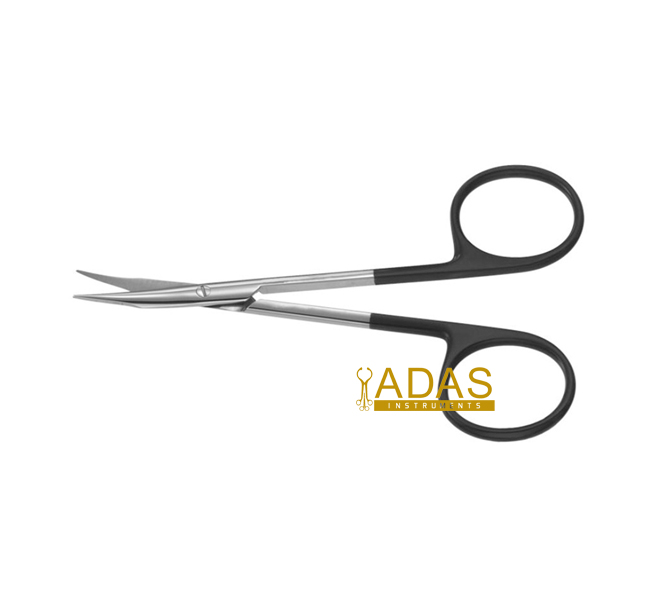
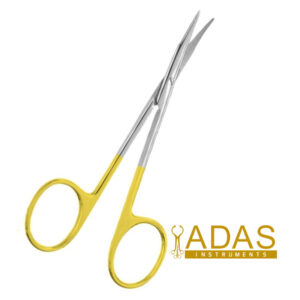
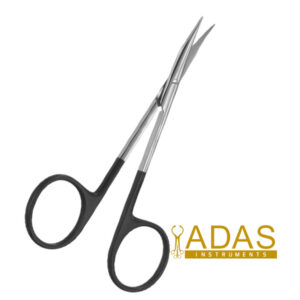
Stevens Tenotomy Scissors, Fine Dissecting Pattern
Original price was: $ 12.50.$ 8.50Current price is: $ 8.50.
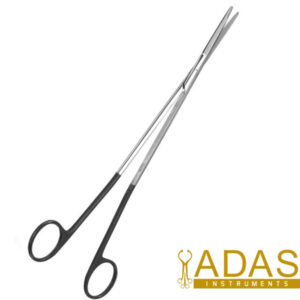
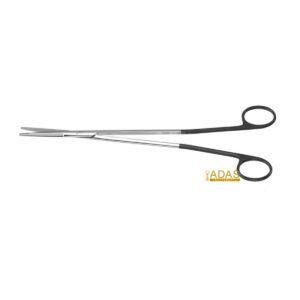
Stevens tenotomy scissors are delicate surgical scissors with long handles and short, narrow, wedge shaped blades for fine tissue dissection and cutting in confined spaces. The pattern works in eye surgery and across plastic, neurological, vascular and general micro surgery. This listing is one pair at 8.50 dollars, in stock on 22 November 2026.
Key Features
- Long handles, short narrow blades
- Wedge shaped blades for spreading and cutting
- For fine dissection in tight spaces
- One pair at 8.50 dollars
- Length, blade and tips confirmed on order
- Reusable, steam sterilized
- Three year replacement warranty against manufacturing defects
- Item code AD-05-211
3 in stock (can be backordered)

What Stevens tenotomy scissors are
Tenotomy scissors are built to spread as much as to cut. The blades are short and narrow, and they taper to a wedge, so closed they slide into a plane and opened they separate it. Long handles keep the hand clear of a small field. The Stevens pattern is one shape of the type, and this listing is its plainest form.
Google AI Mode, read on 22 November 2026, describes Stevens tenotomy scissors as delicate surgical scissors with long handles and short, narrow, wedge shaped blades for fine tissue dissection and cutting in confined spaces. It names plastic, neurological, vascular and general micro surgery as well as eye surgery, straight or curved blades, and blunt or sharp tips, with supercut and carbide builds above the standard edge.
Buyers ask for tenotomy scissors by the type, for stevens tenotomy in short, or for curved tenotomy scissors and straight tenotomy scissors by the blade. This listing is a single pair at 8.50 dollars, and the blade form, the tips and the length are confirmed with you when you order.
In rhinoplasty the pair is a spreading instrument as much as a cutting one. Closed, the tips slide under the skin of the dorsum or the tip; opened, they lift it in an even plane. A short, controlled snip then frees any band that holds. The same movement serves the eyelid and the face. Because the pair spreads more than it cuts, the tissue comes apart along its natural layers, which leaves the plane clean and easy to see for the next instrument that goes into it.
Key design features
Long handles, short blades
The handles are long and the blades short, as AI Mode describes the pattern. The hand stays outside the field, the working end is small, and the view past it stays open even in a narrow opening.
Wedge shaped blades
The blades taper to a wedge. Closed, they slide into a plane without cutting; opened, they spread it. That spreading action is what separates tenotomy scissors from a pair built only to cut, and it is why the blades are kept short.
Blade and tips to confirm
AI Mode lists straight blades for direct cuts and curved blades for working around structures, with blunt tips for separating fragile tissue and sharp tips for clean cuts. This listing does not fix those choices, so tell us which you need and we will confirm them before the pair ships.
A plain, low priced pair
At 8.50 dollars this is the plainest pair in this set, in stock on 22 November 2026. For a razor edge, a carbide build or a fixed choice of three lengths, our Stevens razor edge scissors carry all of those on their order form.
What you are ordering
Every line below is read off our own listing on 22 November 2026.
| Feature | This listing | What it means |
|---|---|---|
| Pattern | Stevens tenotomy | long handles, short wedge shaped blades |
| Blades | confirmed on order | curved or straight, as you need |
| Tips | confirmed on order | blunt for spreading, sharp for cutting |
| Price | 8.50 dollars | one pair, in stock on 22 November 2026 |
| Item code | AD-05-211 | quote it when you write |
Where it is used
The first two columns come from the AI Mode answer read on 22 November 2026. The last column is our own guide.
| Job | What AI Mode says | Which choice |
|---|---|---|
| Fine dissection in confined spaces | Named first by AI Mode | curved, blunt |
| Separating fragile tissue | Blunt tips, without perforation | blunt tips |
| Clean, exact cuts | Sharp tips for them | sharp tips |
| Plastic and micro surgery | Named by AI Mode | curved, either tip |
| Eye surgery | Named by AI Mode | straight or curved, by the step |
What it is for, and what it is not for
This is a plain tenotomy pair. The table names the jobs where another pair of ours suits better.
| Job | Use the Stevens tenotomy? | What to use instead or beside it |
|---|---|---|
| Spreading and dissecting in a tight space | Yes | This is the job it is made for |
| A razor edge or a carbide build | Beside it | The Stevens razor edge scissors |
| Short cuts of thin tissue | Beside it | The razor edge iris scissors |
| Drapes, dressings and heavy suture | No | The sharp blunt operating scissors |
| Cartilage | No | A serrated cartilage scissors |
How it compares with the rest of the set
Five scissors make up this set. Every cell is read off each listing’s own record and order form on 22 November 2026.
| Scissors | Blades and tips, from our record | Builds on our order form | Job | Price |
|---|---|---|---|---|
| Iris scissors, razor edge | short pair, honed razor edge, fine tips | standard or carbide razor edge | thin tissue in fine plastic and eye work | 16 or 22 dollars |
| Iris scissors, sharp | short pair, sharp fine tips, curved or straight | four edges, standard to carbide supercut | thin tissue and fine suture | 8.50 to 22 dollars |
| Stevens scissors, razor edge | slender blades, razor edge, curved or straight | three lengths, standard or carbide razor edge | fine dissection in tight spaces | 15.50 to 22 dollars |
| Stevens tenotomy scissors (this page) | slender tenotomy blades | one listing, length and tips confirmed on order | tenotomy and fine dissection | 8.50 dollars |
| Operating scissors, sharp blunt | one sharp and one blunt tip, curved or straight | two lengths, four edges | general cutting, suture and dressings | 8.50 to 27 dollars |
Materials and finish
Every pair of Stevens tenotomy scissors we make is formed from high quality medical grade stainless steel, and the steel itself is made to a German specification. This listing is the standard steel edge; for carbide, see the razor edge listing. We do not publish a grade number.
The edge names on our order forms mean the same thing across this set. A standard edge is plain ground steel. A razor edge is honed finer, so it parts thin tissue rather than pushing it. Supercut pairs one honed blade with one micro serrated blade, so tissue is held as it is cut. Tungsten carbide puts a harder insert on the edges, and the carbide builds come plain, razor or supercut as each order form names them.
The five pairs divide the fine work. The two iris pairs cut thin tissue and fine suture, and the two Stevens pairs dissect in tight spaces. The sharp blunt operating scissors take the general cutting that would blunt the finer pairs, so a tray that carries all five keeps each edge for the job it was made for.
Caring for it
Rinse the tenotomy pair as soon as it comes out of use, with the blades open, so no blood dries in the joint or along the edges. Close the slender blades gently before storing them, because a pair dropped open can spring the tips apart. Brush the joint and the inside faces of the blades, then dry the pair and steam sterilize it open on the normal instrument cycle. Store it closed with the tips protected. Before each case, close the blades slowly and look at the tips: they should meet, and a pair that has started to chew rather than cut goes back for sharpening.
Ordering and wholesale
Each pair of Stevens tenotomy scissors is made by Adas Instruments in our own workshop and sold direct, which is why the price sits where it does against the catalog houses. Order one for a single tray, or in quantity for a hospital list or a distributor line. We do OEM work under your own brand and your own item numbers. Send us a sample and we will hold a run to your pattern rather than ours. Stock items ship from our own workshop. Backorder items take 10 to 12 working days to make. Every instrument carries a three year replacement warranty against manufacturing defects. Production is controlled under an ISO 13485 quality management system.
Frequently asked questions
What are Stevens tenotomy scissors used for?
They are used for fine tissue dissection and cutting in confined spaces, in eye, plastic, neurological, vascular and general micro surgery, the uses AI Mode names. Their wedge shaped blades spread a plane as well as cut it. The case is the surgeon’s call.
What is the difference between iris and tenotomy scissors?
Iris scissors are short, with short blades and fine tips, for cutting thin tissue. Tenotomy scissors have longer handles and narrow wedge shaped blades, for spreading and dissecting in a tight space. The jobs overlap at the tips but differ in the hand.
Are Stevens tenotomy scissors curved or straight?
The pattern is made both ways. Curved blades work around structures and keep the tips in view; straight blades make direct cuts. This listing confirms the blade with you when you order, together with the tips and the length.
Are Stevens tenotomy scissors blunt or sharp?
Either. AI Mode gives blunt tips to separating fragile tissue without perforating it, and sharp tips to clean, exact cuts. Tell us which you need on this listing; for rhinoplasty dissection under the skin, blunt tips are the safer start.
How is this listing different from our Stevens razor edge scissors?
This is a single plain pair at 8.50 dollars, with blade, tips and length confirmed on order. The razor edge listing fixes three lengths and two blade forms on its order form, with a standard or carbide razor edge from 15.50 to 22 dollars.
Related products and categories
Three more scissors from the same fine and operating set: Operating scissors, sharp blunt, Iris scissors, razor edge and Iris scissors, sharp. The whole range is in rhinoplasty instruments, and the nasal specula, elevators and septum forceps are under ENT instruments.
| Weight | 0.045 kg |
|---|
Be the first to review “Stevens Tenotomy Scissors, Fine Dissecting Pattern”
Shipping & Delivery Policy
Processing Time: In-stock items are dispatched within 24-48 hours. For custom or out-of-stock items, production time is approximately 10-15 days.
Global Delivery Estimates
We partner with world-class couriers (DHL, FedEx) to ensure fast, tracked delivery.
- USA & Canada: 3-5 Business Days
- Europe & UK: 4-6 Business Days
- Rest of World: 5-7 Business Days
*We offer Air Cargo and Sea Freight options for bulk wholesale orders.
Customs & Duties
International buyers are responsible for any customs duties or taxes imposed by their country. Adas Instruments is not responsible for delays caused by customs clearance.
Lost Packages & Insurance
If your package is lost in transit, please contact us immediately. We offer full support and replacements for confirmed lost shipments. Note: You must report non-delivery within 3 weeks to be eligible for an insurance claim.
Related products

Reviews
There are no reviews yet.