
Round Scalpel Handle #3, Curved or Straight Tip
Price range: $ 14.00 through $ 24.00
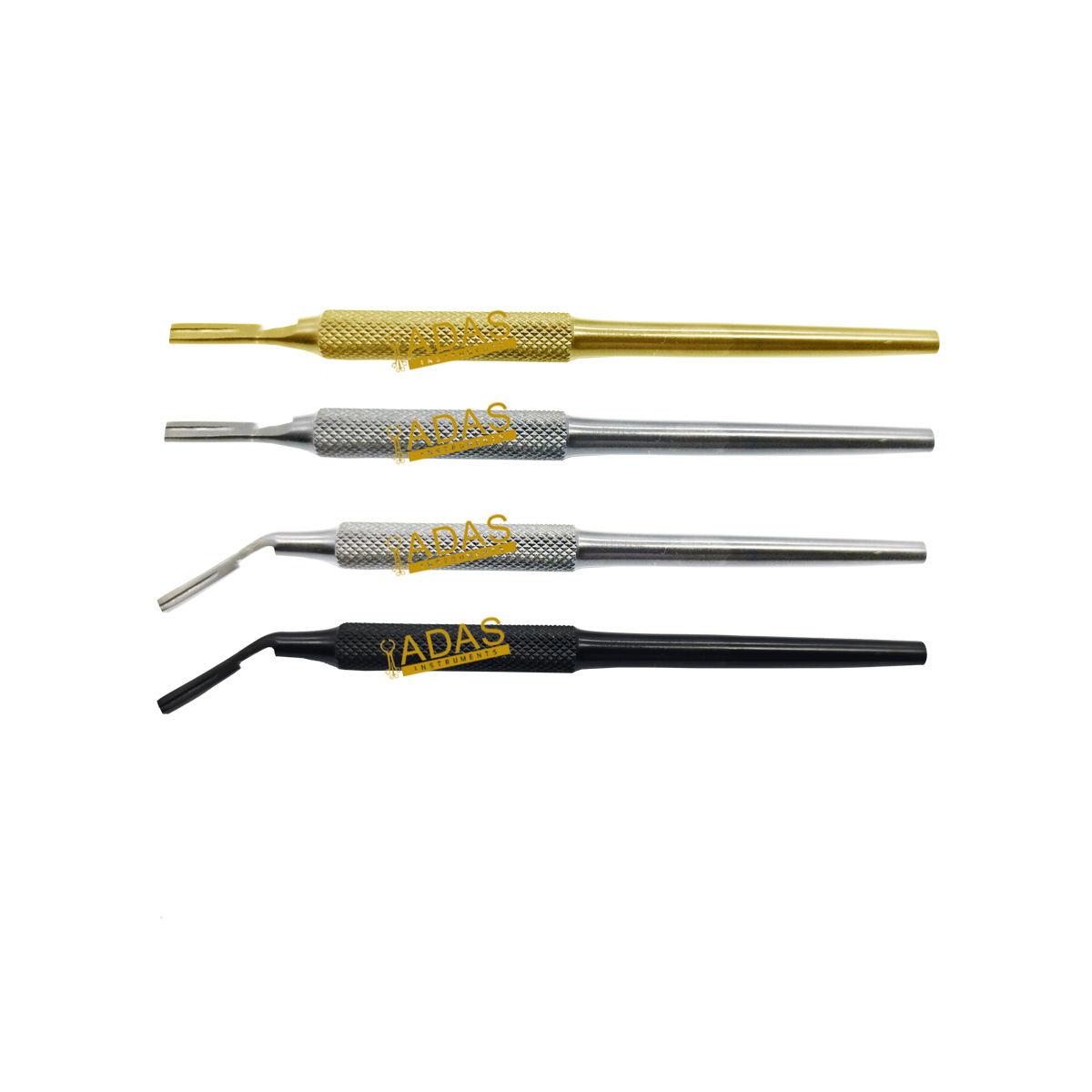
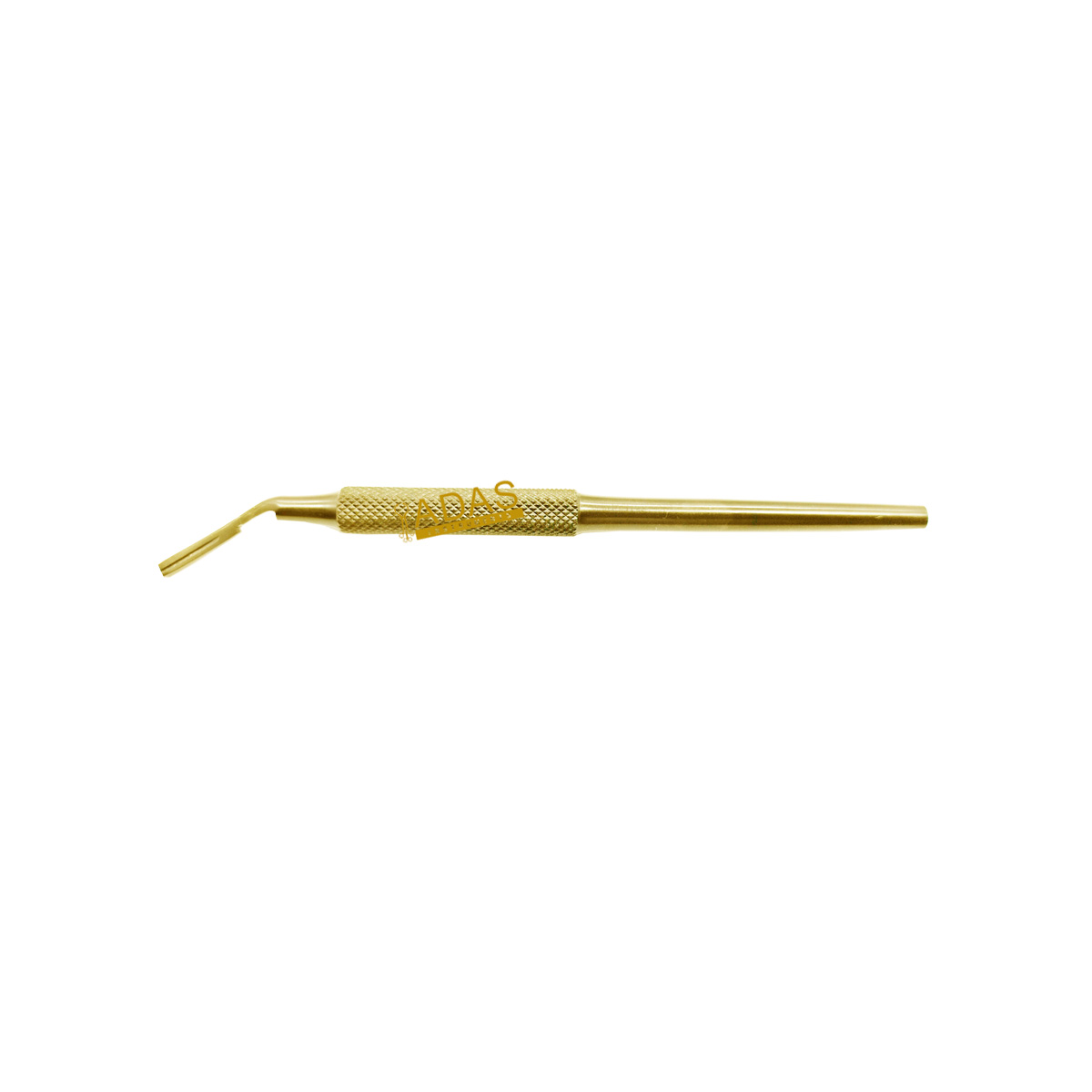
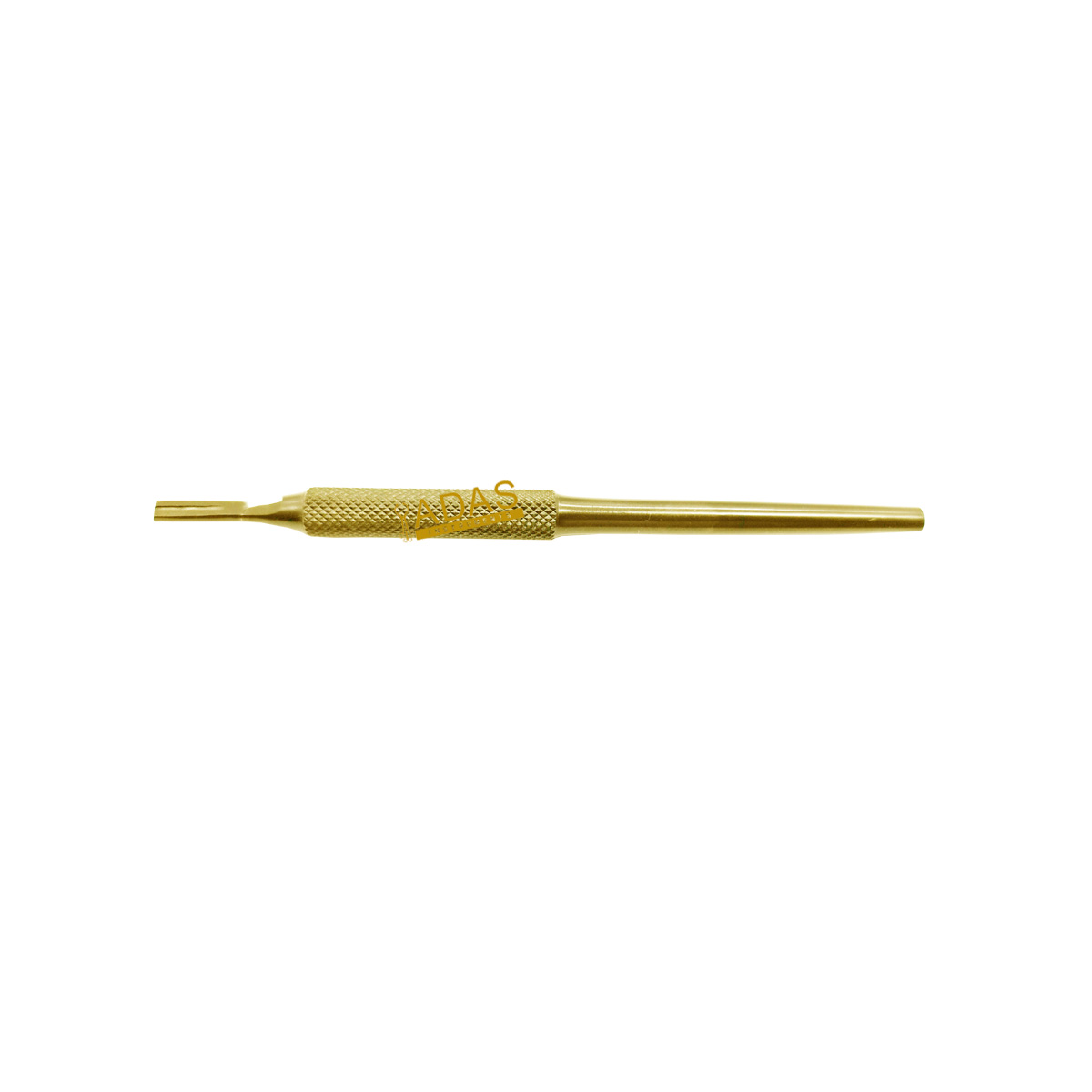
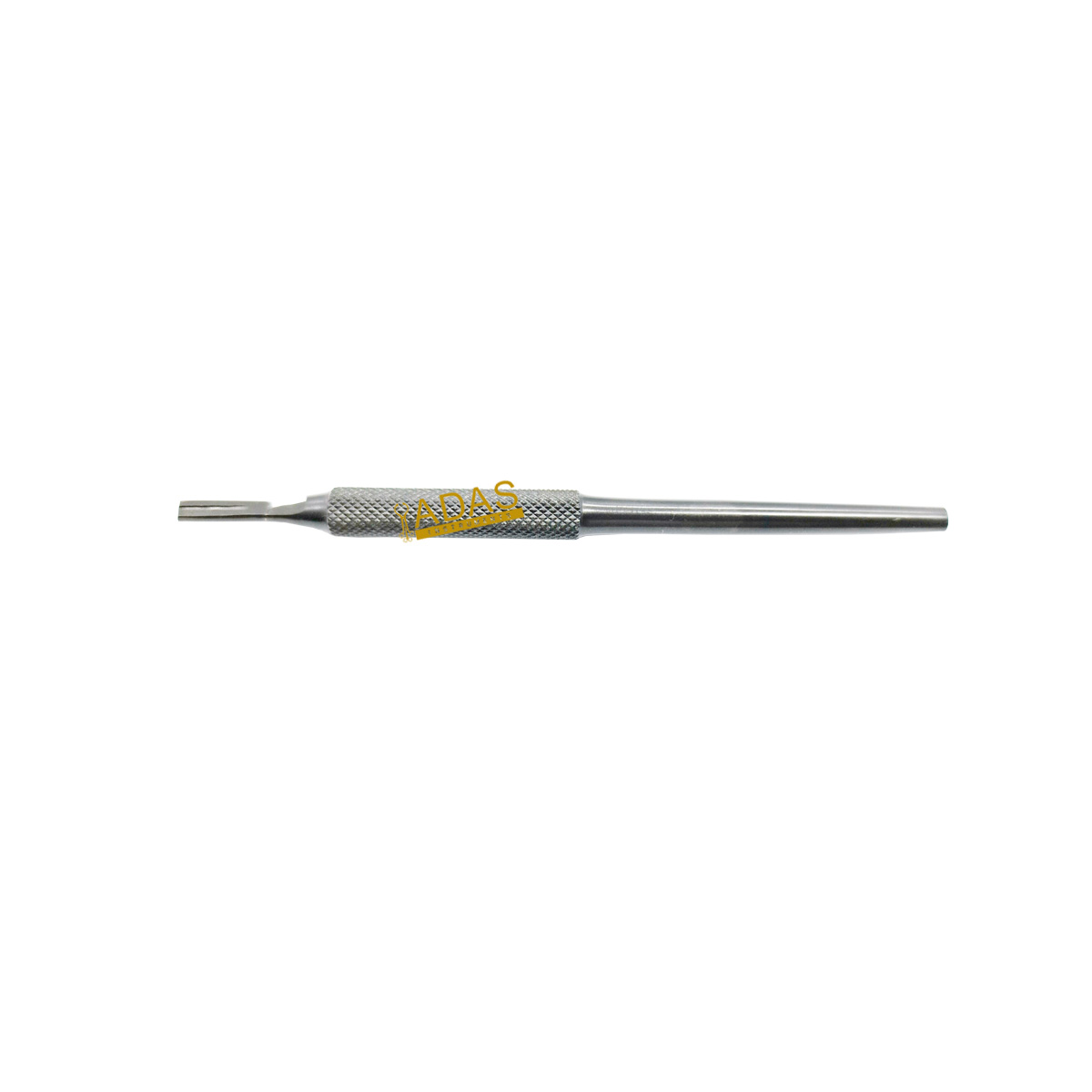
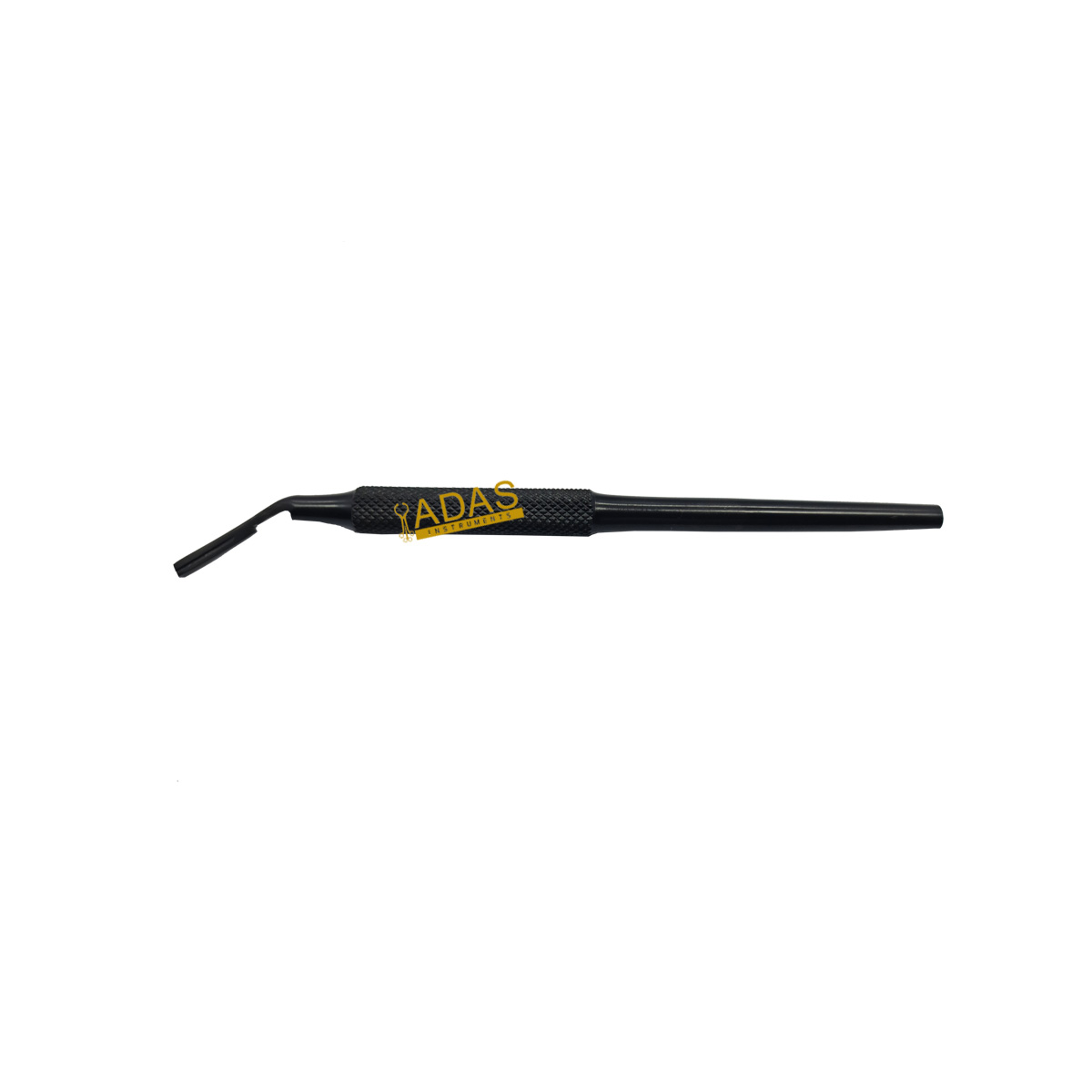
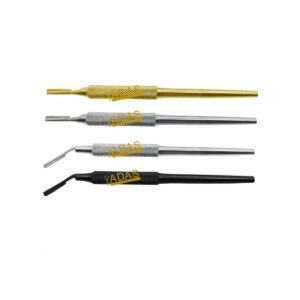
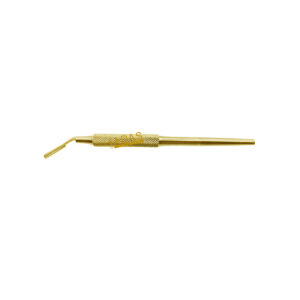
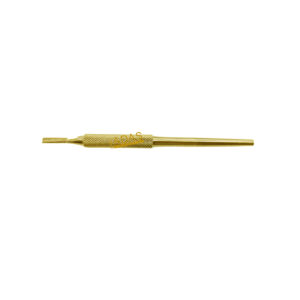
A round scalpel handle is the number 3 fitting on a round shank instead of a flat one, so it rolls between the fingers and the blade angle can be changed without letting go of the instrument. It takes the same 10 series blades as a standard handle, numbers 10, 11, 12 and 15, and it is chosen for work where the cut follows a curve rather than a straight line. Ours comes with a curved or a straight tip, and in three finishes.
Key Features
- Round shank, so the blade angle changes by rolling rather than regripping
- Number 3 fitting, so it takes blades 10, 11, 12 and 15
- Curved or straight tip; tell us which your list uses
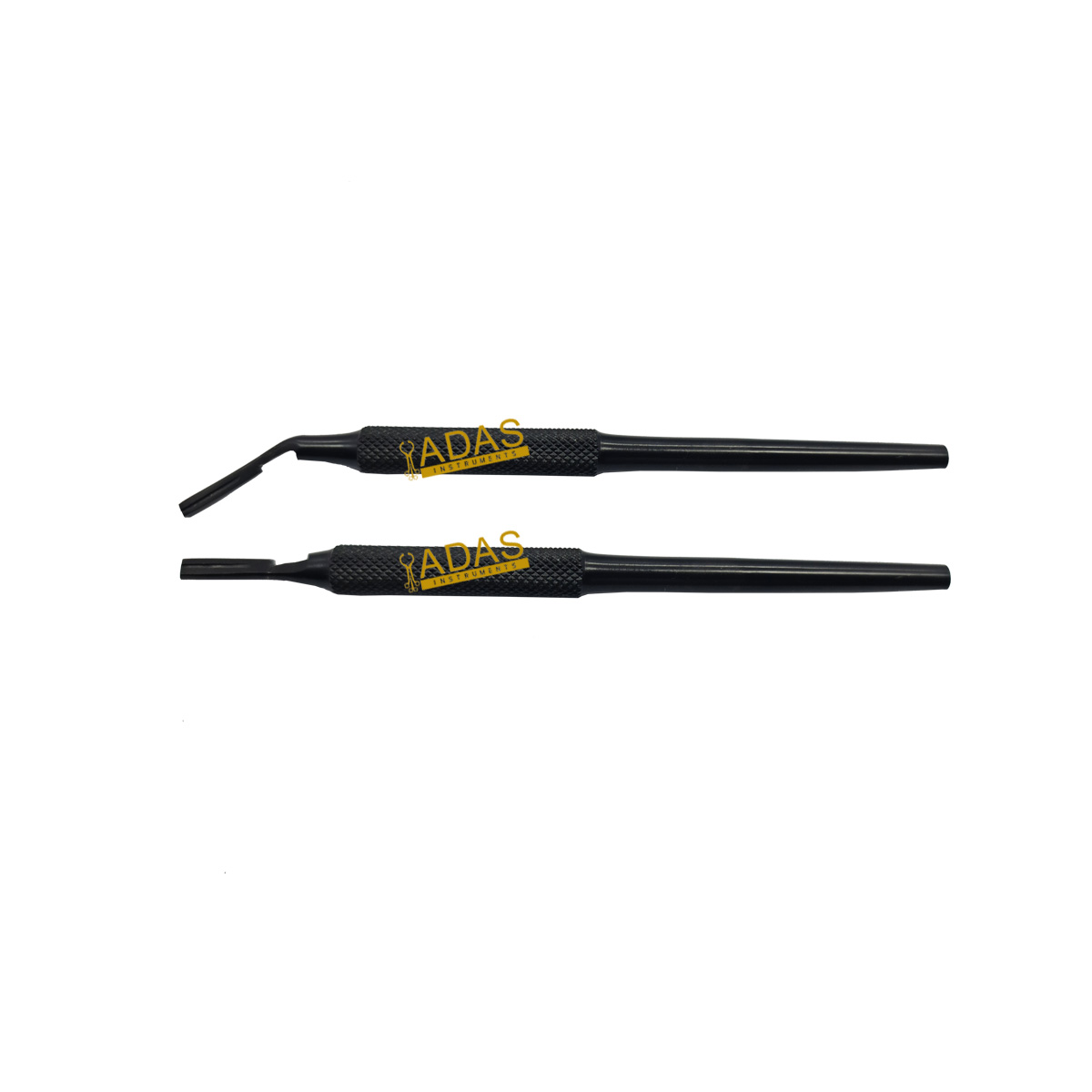
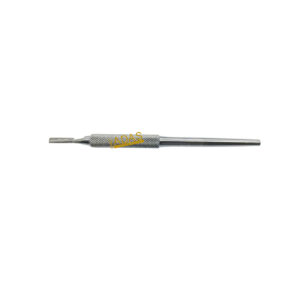
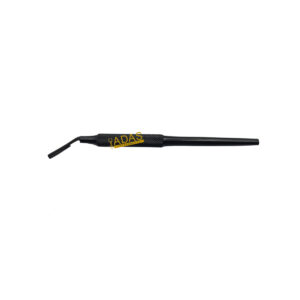
- Three finishes: black titanium coloring, gold plating, or satin
- Reusable and autoclavable; only the blade is disposable
- One piece steel, nothing jointed and nothing to loosen
- Item code AA-05.23

What a round scalpel handle is
A round scalpel handle is a number 3 handle with a round shank rather than a flat one. The fitting is unchanged, so it takes the 10 series blades, numbers 10, 11, 12 and 15. The only thing that is different is how the instrument behaves in the fingers: it rolls, so the angle of the edge can be changed mid cut without regripping. Catalogues list it as a round scalpel handle, a round knife handle and a circular scalpel handle.
It is worth being clear about what it is not. It is not finer than a flat handle, it does not take different blades, and it is not a micro instrument. It is the same handle in a shape that rotates, and if the work you do is straight line work at the surface then a flat handle is the better instrument and it is cheaper.
Key design features
Round means you can roll it
On a flat handle the blade sits in one plane and changing the angle means changing your grip. On a round one you roll the shank between finger and thumb and the edge follows. That is the entire reason this pattern exists, and it matters most when a single cut has to follow a curve: around a lesion, along a nail fold, round the edge of a graft bed.
Curved tip or straight tip
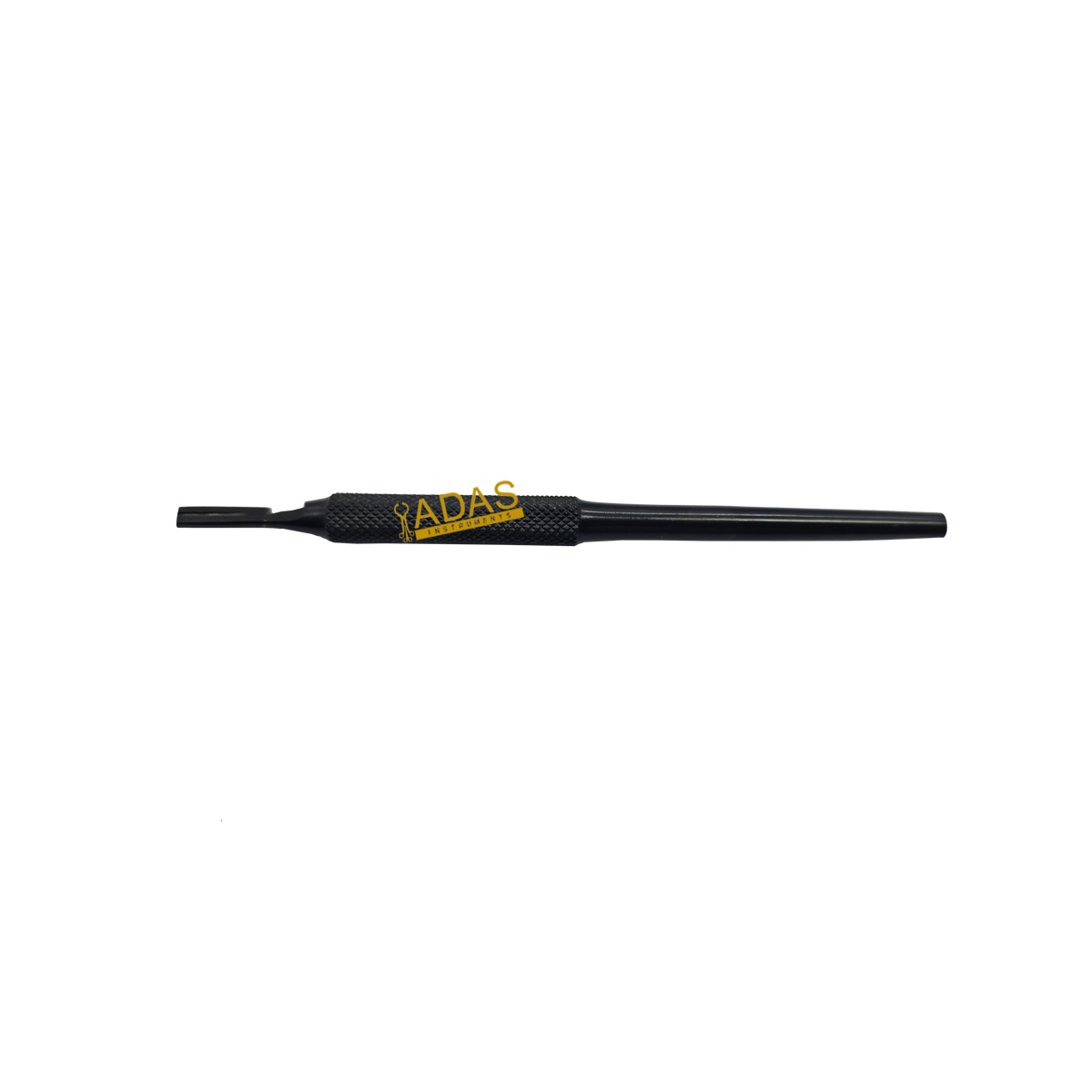
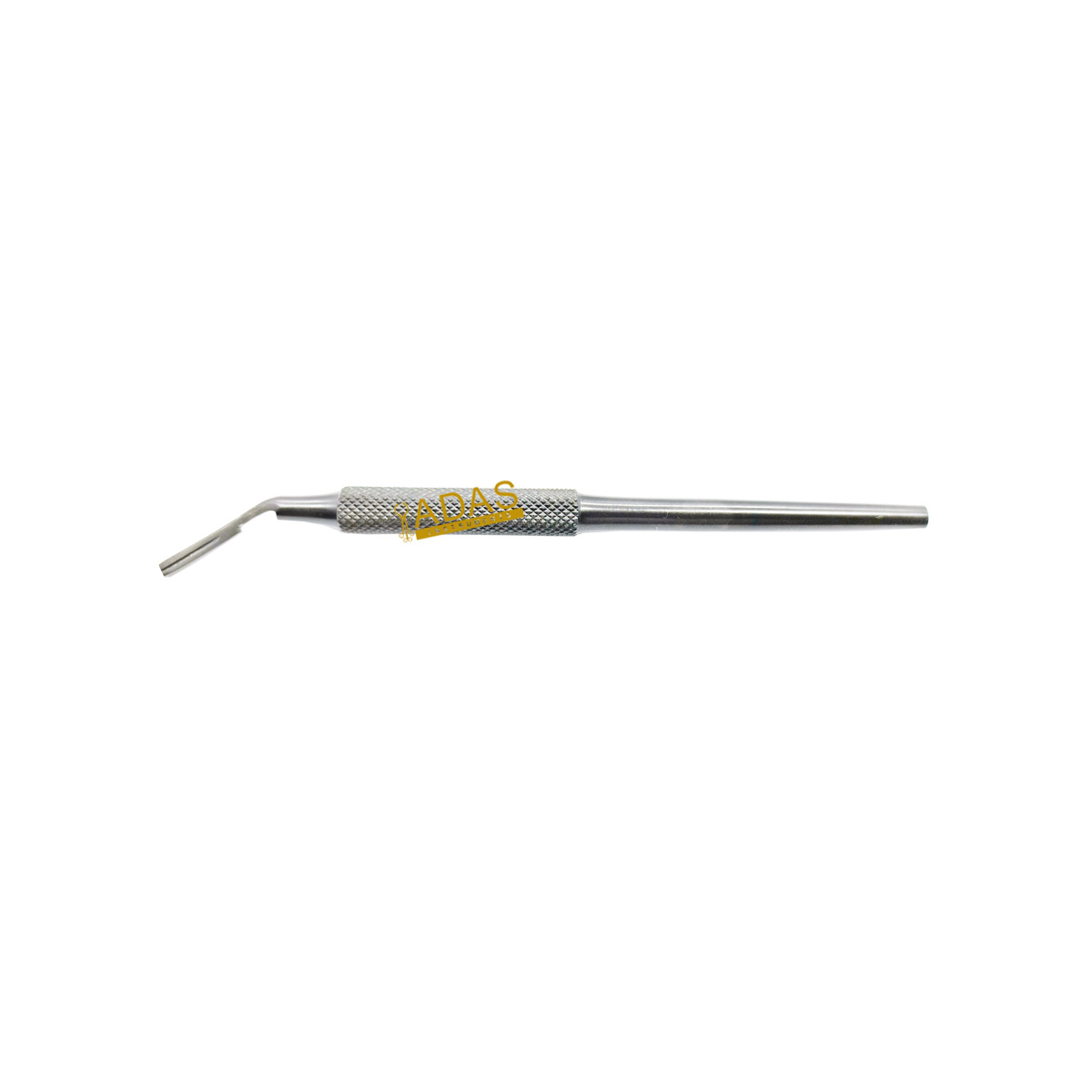
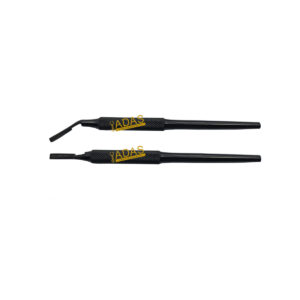
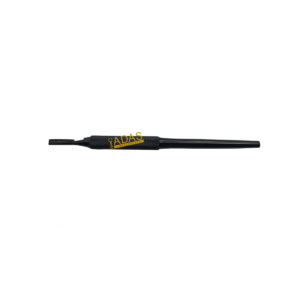
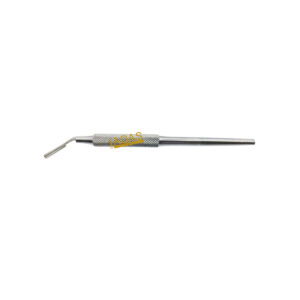
This is our own option and it changes where the blade sits relative to the shank. A straight tip keeps the blade in line with the handle, which is what most lists want. A curved tip sets the blade off the axis slightly, which gets the shank out of the way when the cut is almost flat to the skin. Tell us which your list specifies and we will send that one.
The same blades, so nothing new in the stores
It carries the number 3 fitting, so blades numbers 10, 11, 12 and 15 go on it exactly as they go on a flat handle. Adding a round handle to a tray does not add a blade line, which is worth knowing before anyone argues that a second handle shape means a second box of blades.
Three finishes, and why there are three
Satin is the default and it is about glare. Black titanium coloring goes further for work under a loupe or microscope, where a satin surface can still bounce light. Gold plating is for identifying one handle on a shared tray at a glance. The steel is the same in all three and so is the fitting.
What to tell us when you order one
This product carries two options on our site, the tip and the finish, so there is more to settle here than on the other handles.
| What to tell us | Why it matters | If you do not know |
|---|---|---|
| Curved tip or straight tip | It changes where the blade sits relative to the shank | Straight is the more common choice |
| Finish | Satin for general use, black titanium under magnification, gold to identify a set | Satin unless you work under a loupe |
| Which blades you stock | A number 3 fitting, so the 10 series | If your list says 10, 11, 12 or 15, this handle takes them |
| How many | Two per tray lets a blade be changed without breaking scrub | One to try the shape, then a quantity |
| Your own item number | We mark an OEM run to your catalogue rather than ours | Leave it blank and the run carries our code |
Where it is used
Every use on this list involves a curve. That is the only thing the round shank buys you.
| Where it is used | What the handle is doing there |
|---|---|
| Dermatology and minor surgery | Cutting round a lesion in one continuous pass |
| Plastic and reconstructive surgery | Following a curved line without regripping |
| Nail and digit surgery | Working along a fold where the shank gets in the way |
| Oral and dental surgery | Curved flap incisions in a confined space |
| Micro surgery | Fine angled cuts under magnification |
| Veterinary practice | The same blades and the same technique |
What seats on it, and what does not
Identical to the flat number 3 handle, because the fitting is the same. The second column is the wasted order.
| What seats on it | What does not |
|---|---|
| Number 10, the general purpose belly blade | Number 20, 21, 22 and 25, which need a number 4 handle |
| Number 11, the straight stab point | A graft knife blade, which seats in a frame |
| Number 12, the small hook | A beaver blade, a different and finer fitting |
| Number 15, the short curved blade | A disposable scalpel, which has its own handle |
How it compares with the other handles
Six handles get asked for. We make four and we will say plainly which two we do not.
| Handle | What it is for | Do we make it |
|---|---|---|
| Number 3, round | Rolls between the fingers to change the blade angle. This page | Yes |
| Number 3, flat | The standard pattern. Same blades, fixed blade plane | Yes |
| Number 3, Barron octagonal | Eight flats, so it rotates in steps you can feel | Yes |
| Number 7 | Same fitting on a long slim neck, for deep narrow fields | Yes |
| Number 4 | The larger fitting, for the 20 series blades | No, not at present |
| Disposable scalpel | Blade and handle in one, thrown away together | No |
Materials and finish
Every round number 3 handle we make is cut from high quality medical grade stainless steel. The steel itself is made to a German specification. We do not publish a grade number, because the number on a certificate tells a surgeon nothing about whether a round shank still rolls true after it has been dropped once, and the answer to that is in the making rather than in the alloy.
A round shank has to be truly round or it rolls in steps instead of smoothly, which is the one fault that ruins this pattern. Ours is turned rather than ground to shape for that reason. The surface is finished fine enough to roll under a wet glove without slipping and without a knurl, because a knurl on a rolling handle defeats the point of it. The blade slot is machined to hold a blade without play.
Caring for it
Take the blade off with forceps or a blade remover, never with fingers, and dispose of it as a sharp. There are no moving parts.
Brush the blade slot in particular, because that is where blood sits and where the next blade has to seat flat. Ultrasonic in a neutral pH enzymatic detergent, rinse in deionized water, dry fully and autoclave at 134 degrees Celsius. No lubrication is needed. Roll the clean handle across a flat surface before it goes back in the tray: it should run true, and a handle that wobbles has been dropped. We replace that inside the three years.
Ordering and wholesale
Every round scalpel handle we sell is made in our own workshop and sold direct, which is why the price sits where it does against the catalogue houses. Order one for a single tray, or in quantity for a hospital list or a distributor line. We do OEM work under your own brand and your own item numbers, and we will hold a run to your pattern rather than ours if you send us a sample. Stock items ship from our own workshop. Backorder items take 10 to 12 working days to make. Every instrument carries a three year replacement warranty against manufacturing defects. Production is controlled under an ISO 13485 quality management system.
Frequently asked questions
What is a round scalpel handle used for?
Cutting along a curve. The round shank rolls between finger and thumb, so the angle of the blade changes without letting go of the handle, which lets a single pass follow the edge of a lesion, a nail fold or a graft bed. It takes the same 10 series blades as a standard flat number 3 handle.
What is the difference between a round and a flat scalpel handle?
The shank, and nothing else. Both are number 3 fittings and both take blades numbers 10, 11, 12 and 15. A flat handle holds the blade in one plane, which is steadier for straight line work and tells your fingers which way the edge points. A round handle rotates, which is better when the cut is a curve. Trays that do both kinds of work carry both.
Are round scalpel handles better for fine work?
Not inherently, and it would be easy to imply otherwise. A round handle is not finer, not lighter and not more delicate than a flat one; it takes the same blades and it is the same size. What it is better at is rotation. For genuinely fine work under magnification the thing that matters more is the finish, which is why we offer black titanium coloring.
What size blade fits a round scalpel handle?
The 10 series: numbers 10, 11, 12 and 15. It is a number 3 fitting, so anything that goes on a standard number 3 handle goes on this one. The 20 series blades, numbers 20, 21, 22 and 25, need a number 4 handle and will not seat on this.
Should I order the curved tip or the straight tip?
Straight if your list does not specify, because it is the more common of the two and it keeps the blade in line with the handle. Curved sets the blade slightly off the axis, which helps when the cut is almost flat to the skin and the shank would otherwise be in the way. If a theater list names one, send us the wording and we will match it.
Related products and categories
The flat number 3 scalpel handle is the standard flat pattern and the cheaper instrument if you do not need rotation. The Barron octagonal handle rotates in steps you can feel rather than smoothly. For graft work the Humby skin graft knife is a different instrument again. Everything here is in scalpel handles and skin grafting tools, and the ear range sits under ear instruments.
| Weight | 0.1 kg |
|---|---|
| Select Color Option | Black Titanium Coloring, Gold Plating, Satin finish |
| Tip options | Curved Tip, Straight Tip |
Be the first to review “Round Scalpel Handle #3, Curved or Straight Tip”
Shipping & Delivery Policy
Processing Time: In-stock items are dispatched within 24-48 hours. For custom or out-of-stock items, production time is approximately 10-15 days.
Global Delivery Estimates
We partner with world-class couriers (DHL, FedEx) to ensure fast, tracked delivery.
- USA & Canada: 3-5 Business Days
- Europe & UK: 4-6 Business Days
- Rest of World: 5-7 Business Days
*We offer Air Cargo and Sea Freight options for bulk wholesale orders.
Customs & Duties
International buyers are responsible for any customs duties or taxes imposed by their country. Adas Instruments is not responsible for delays caused by customs clearance.
Lost Packages & Insurance
If your package is lost in transit, please contact us immediately. We offer full support and replacements for confirmed lost shipments. Note: You must report non-delivery within 3 weeks to be eligible for an insurance claim.
Related products
Reviews
There are no reviews yet.