
Facelift Retractor with Fiberoptic Light Carrier and Threaded Connector
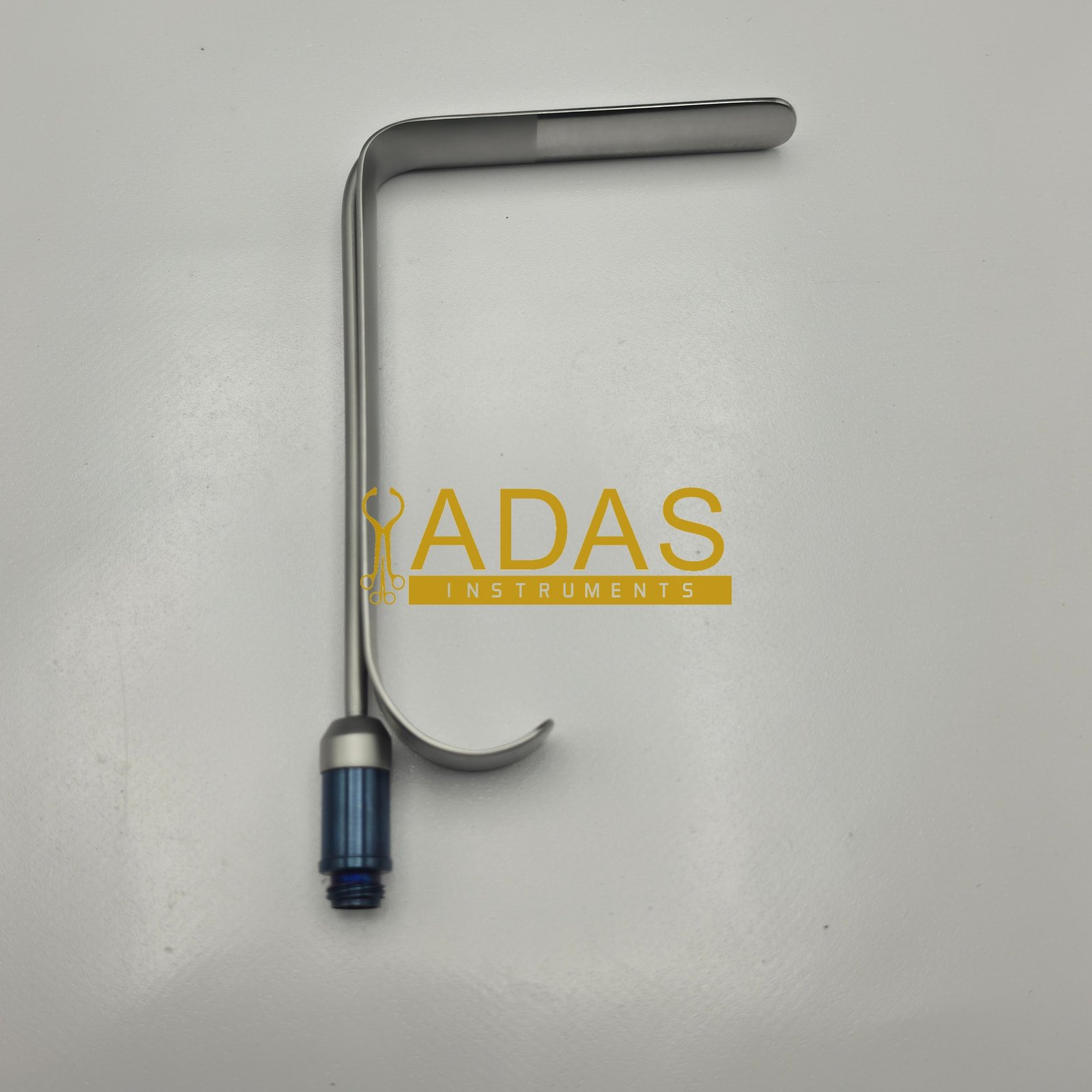
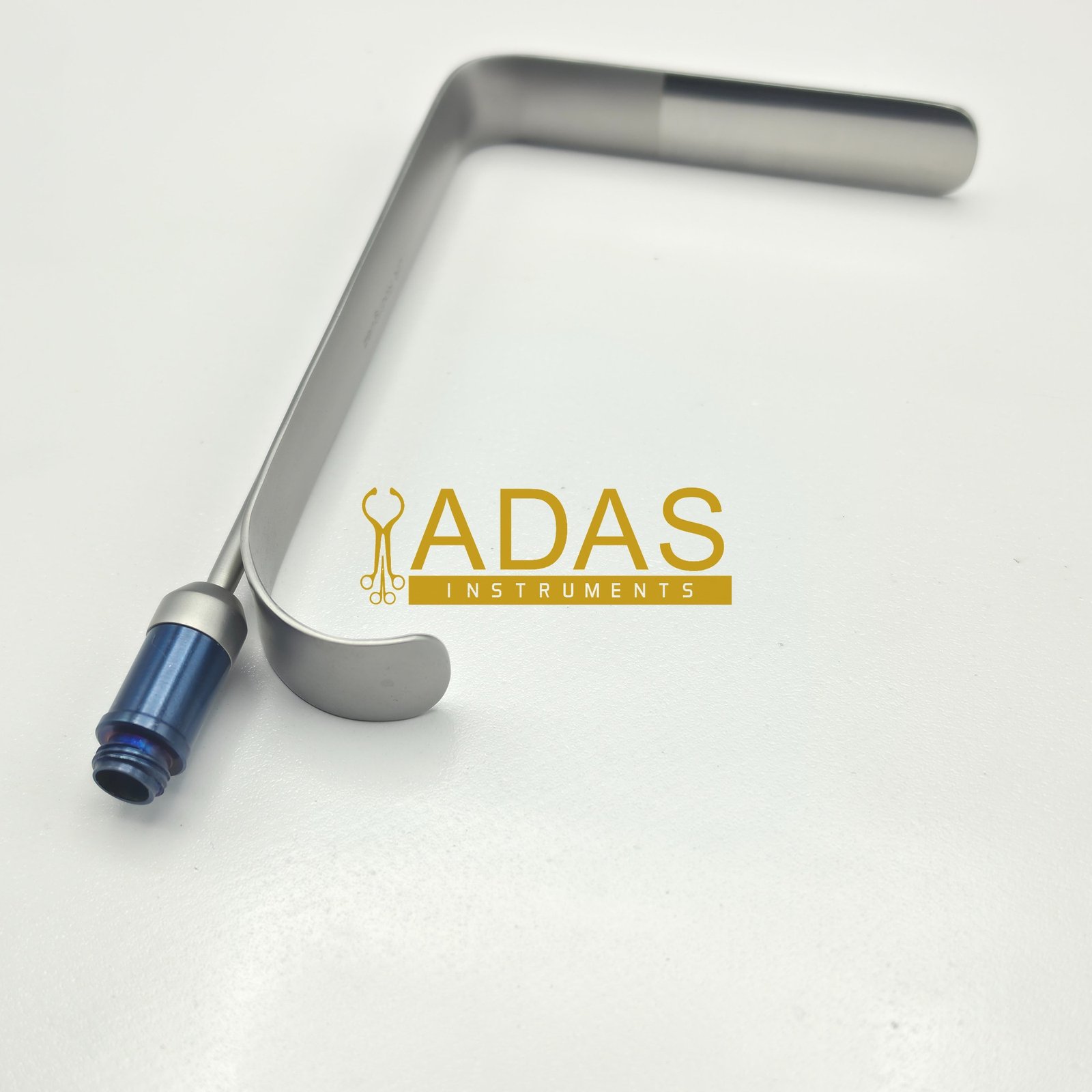
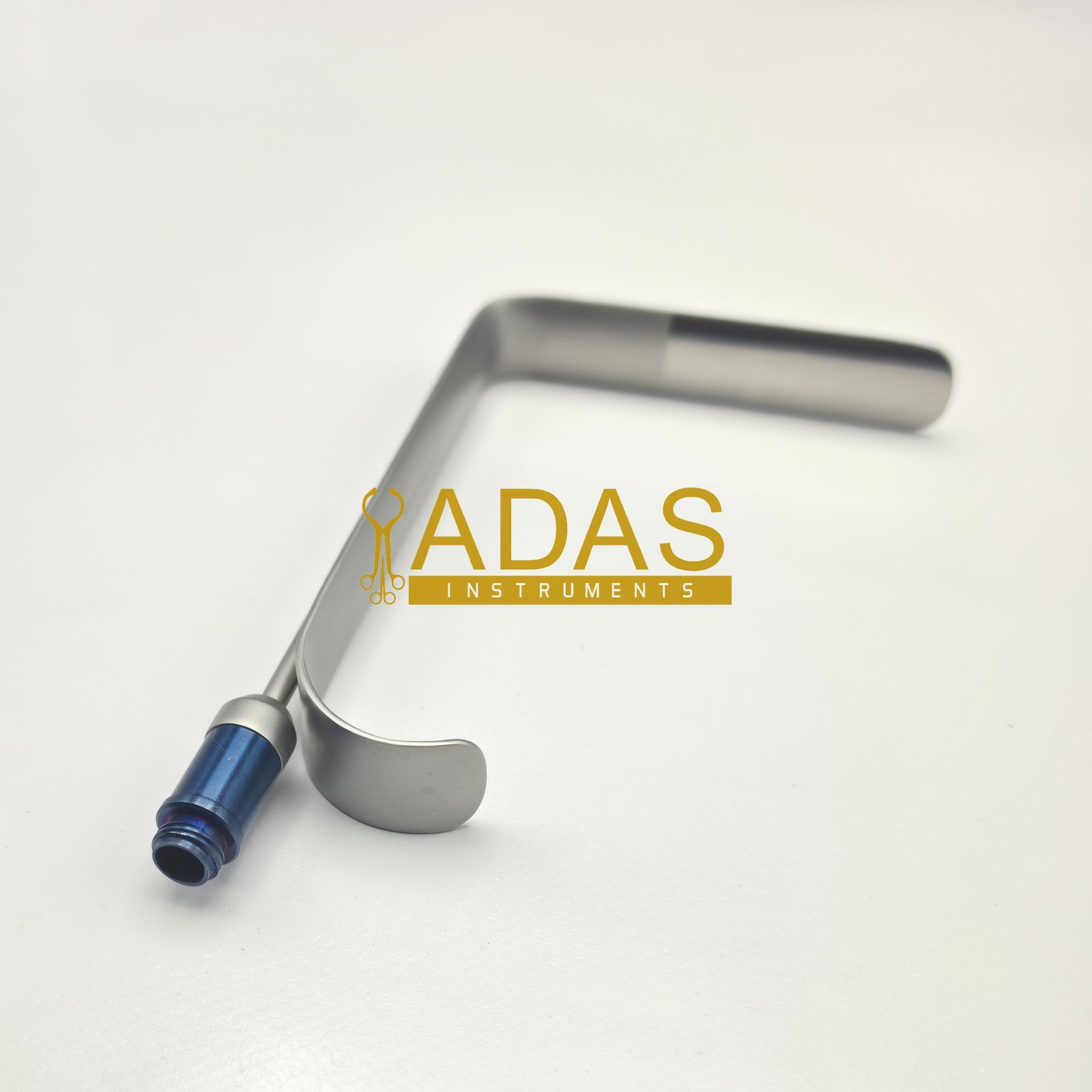
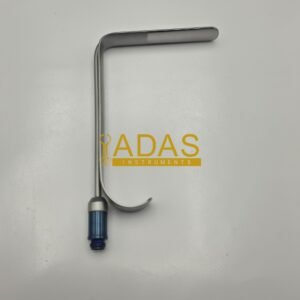
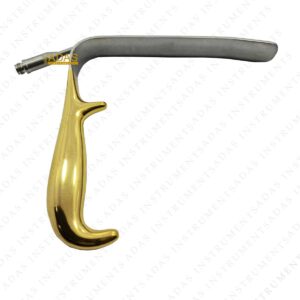
A facelift retractor is a hand held instrument that lifts and holds the skin flap during facelift surgery so the surgeon can see and work underneath it. This Adas Instruments pattern has a smooth L shaped blade and can be ordered with a fiberoptic light carrier that brings light from a threaded connector on the handle down to the blade.
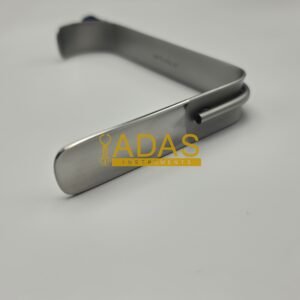
- Smooth L shaped blade with a rounded end and no prongs
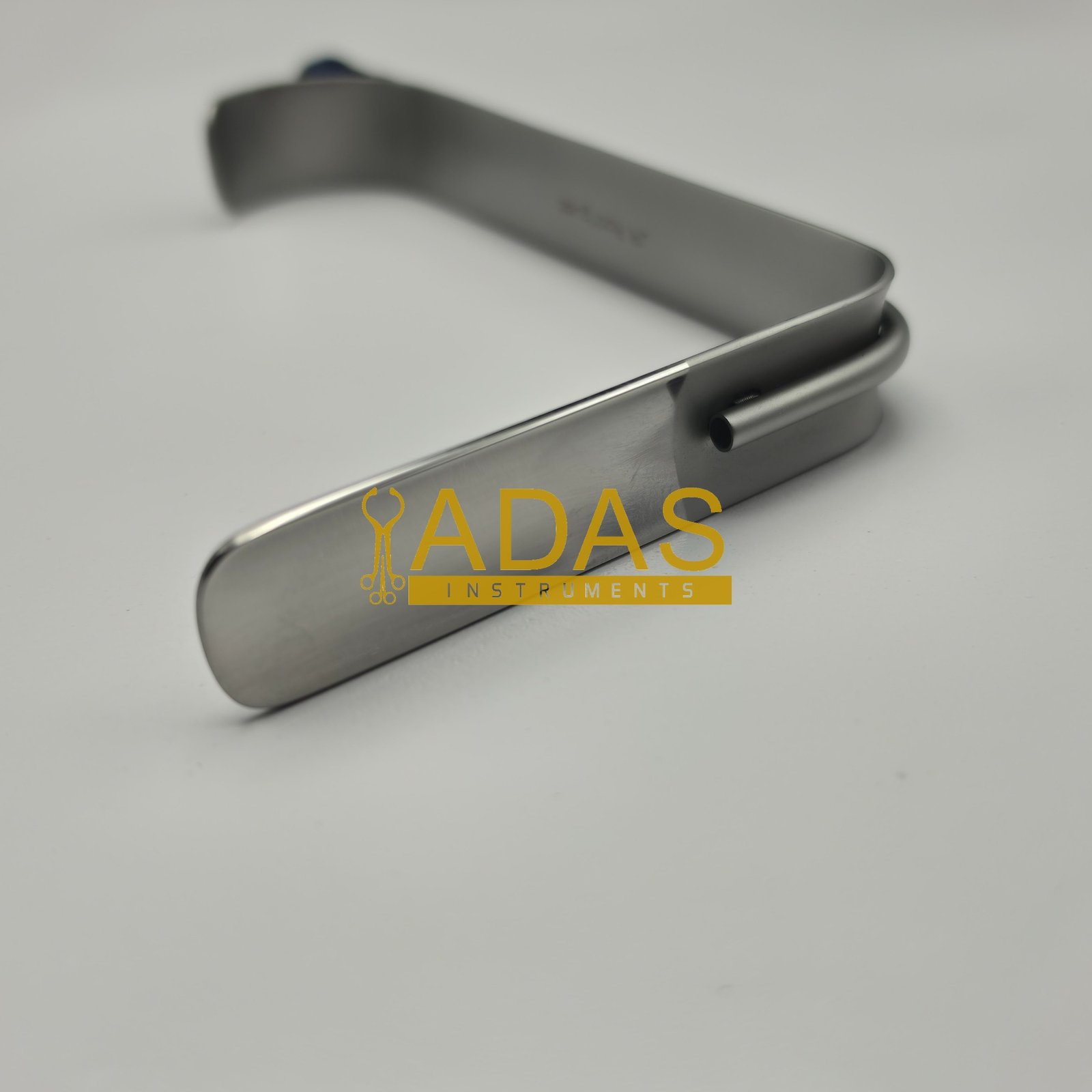
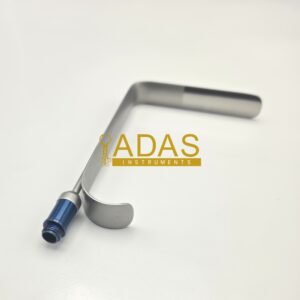
- Fiberoptic light carrier fixed along the shaft, ending where the blade begins
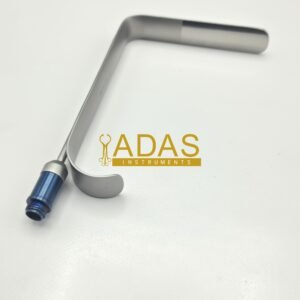
- Blue anodized threaded connector for the light cable
- Curved hook at the handle end for a steady pull
- Two versions: with fiberoptic or without fiberoptic
- High quality medical grade stainless steel, reusable and autoclavable

What this facelift retractor is
This facelift retractor holds the skin and fat flap away from the deeper layers while a facelift dissection goes on underneath. The blade is smooth, so it supports the flap from below instead of gripping it, and the rounded end slides under tissue without catching the edge.
The version with fiberoptic adds a light carrier. A slim tube runs along the shaft from a threaded connector on the handle, follows the bend and stops where the blade starts. Connect a light cable and the light points down the blade into the pocket it is holding open. That is the part of a face lift retractor that usually sits in shadow, because a headlight cannot see round the flap.
Key design features
A smooth blade with a rounded end. No prongs and no teeth. The blade lifts the flap on a flat face, which spreads the pull over a wider area of tissue than a rake would.
An L shaped profile. The blade turns at a right angle from the shaft. The surgeon or assistant pulls along the shaft and the blade stays flat under the flap, with the hand well out of the line of sight.
A built in light path. A retractor with fiber optic light carrier keeps the light where the work is. On the fiberoptic version the light carrier is fixed to the instrument, not clipped on. It travels with the blade every time the retractor is moved, so there is nothing to realign.
A threaded light cable connector. The connector at the handle end is anodized blue and threaded, so the light cable screws on rather than pushing on. A hook formed at the same end gives a second grip point for a steady pull.
With fiberoptic or without fiberoptic
Both versions share the same blade and handle. The only difference is the light carrier.
| Option | What you get | When to choose it |
|---|---|---|
| With fiberoptic | Blade, handle, light carrier and threaded connector | Deep pockets under the flap, where extra light helps |
| Without fiberoptic | Blade and handle only | Theatres that rely on headlights or overhead light |
Where this retractor for facelift work is used
The retractor goes wherever a flap has to be held back without piercing it.
| Procedure | What the retractor does |
|---|---|
| Rhytidectomy | Holds the skin flap while the cheek and jaw dissection goes on underneath |
| Deep plane facelift | Holds the elevated layers back so the dissection can go deeper |
| Neck lift | Lifts the neck skin to give access to the deeper neck layers |
| Brow and temple work | Holds tissue back in narrow pockets near the hairline |
| Other plastic surgery flaps | Supports a raised flap without puncturing it |
On a deep plane facelift retractor, light at the blade matters most. The further the dissection goes, the harder it is to light the end of the pocket from outside.
Size
We have not listed blade width or total length on this page yet, because they have not been measured for the listing. If you need exact dimensions before ordering, ask and we will measure the instrument and send them.
Care and reprocessing
Rinse the instrument straight after the case, before blood and tissue dry on it. On the fiberoptic version, flush the light carrier tube and wipe the threads of the connector. Clean with an enzymatic detergent and a soft brush, rinse, dry fully and steam autoclave. Inspect the connector threads and the end of the light carrier before every case; a damaged end gives a weaker beam. Keep the light cable off the instrument during autoclaving unless the cable maker says it can go through the same cycle.
Technical specification
| Specification | Detail |
|---|---|
| Product | Facelift retractor |
| Blade | Smooth, L shaped, rounded end, no prongs |
| Light carrier | With fiberoptic or without fiberoptic |
| Light connector | Threaded, blue anodized (fiberoptic version) |
| Handle end | Curved hook for a steady pull |
| Material | High quality medical grade stainless steel |
| Steel origin | German stainless steel |
| Finish | Satin, to cut glare under theatre lights |
| Reusable | Yes |
| Sterilization | Steam autoclave |
| Management system | Made under an ISO 13485 quality management system |
| Warranty | 3 year replacement against manufacturing defects |
Made by Adas Instruments
Adas Instruments makes this facelift retractor in its own workshop, along with the rest of our facelift and neck lift instruments. Hospitals and distributors can order single pieces or tray quantities, plain or laser marked. Every instrument carries a 3 year replacement against manufacturing defects.
For more lighted instruments, see our fiberoptic instruments, and for every hand held pattern our hooks and retractors range.
Frequently asked questions
What is a facelift retractor used for?
A facelift retractor lifts and holds the skin and fat flap during facelift surgery so the surgeon can see and work on the deeper layers underneath. A smooth blade like this one supports the flap without piercing it.
What does the fiberoptic option add?
It adds a light carrier fixed along the shaft. Connect a light cable to the threaded connector on the handle and the light comes out where the blade begins, pointing into the pocket the blade is holding open.
Can I order this face lift retractor without fiberoptic?
Yes. The page offers two versions, with fiberoptic and without fiberoptic. Both have the same smooth L shaped blade and handle.
Does this facelift retractor have prongs?
No. The blade is smooth with a rounded end, so it lifts tissue on a flat face instead of holding it with points.
How do I clean the fiberoptic version?
Rinse it after the case, flush the light carrier tube, clean with an enzymatic detergent, dry it fully and steam autoclave. Check the connector threads and the end of the light carrier before each use.
Related instruments
The Ferreira face lift retractor is the narrow smooth blade pattern in the same family. The Biggs face lift retractor has a broad fenestrated blade for wide deep flaps. The Freeman flap retractor uses prongs for flaps that are about to be trimmed, and Kaye facelift scissors do the undermining that this retractor holds open.
| Tip options | With Fiberoptic, without fiberoptic |
|---|
Be the first to review “Facelift Retractor with Fiberoptic Light Carrier and Threaded Connector”
Shipping & Delivery Policy
Processing Time: In-stock items are dispatched within 24-48 hours. For custom or out-of-stock items, production time is approximately 10-15 days.
Global Delivery Estimates
We partner with world-class couriers (DHL, FedEx) to ensure fast, tracked delivery.
- USA & Canada: 3-5 Business Days
- Europe & UK: 4-6 Business Days
- Rest of World: 5-7 Business Days
*We offer Air Cargo and Sea Freight options for bulk wholesale orders.
Customs & Duties
International buyers are responsible for any customs duties or taxes imposed by their country. Adas Instruments is not responsible for delays caused by customs clearance.
Lost Packages & Insurance
If your package is lost in transit, please contact us immediately. We offer full support and replacements for confirmed lost shipments. Note: You must report non-delivery within 3 weeks to be eligible for an insurance claim.
Related products

Reviews
There are no reviews yet.