
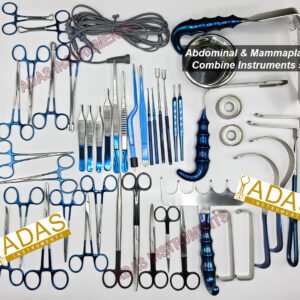
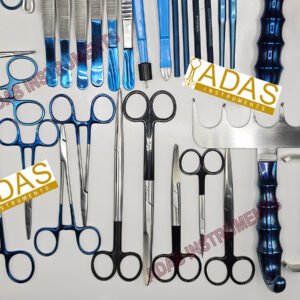


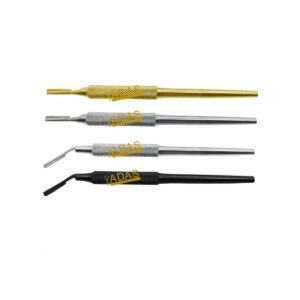
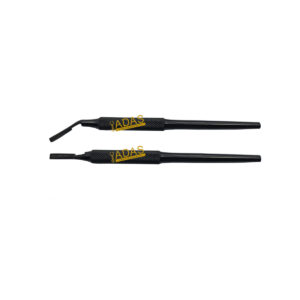
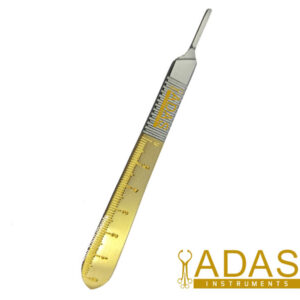
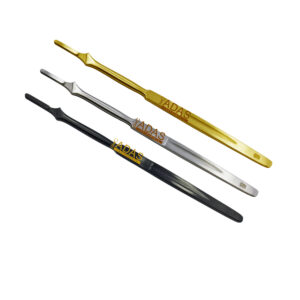

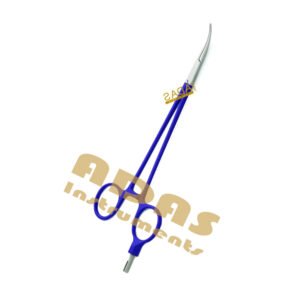
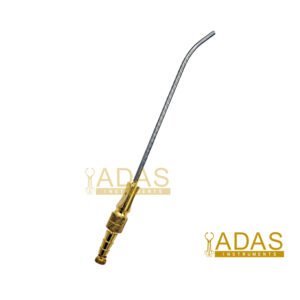
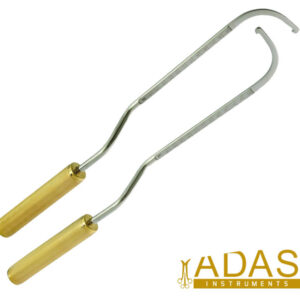
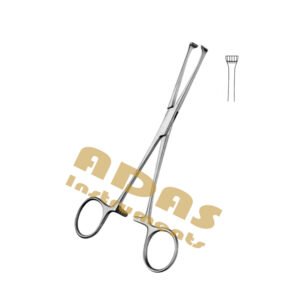
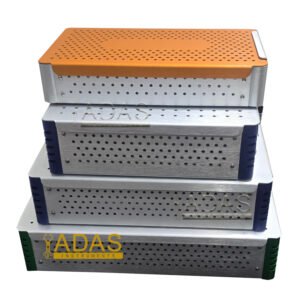
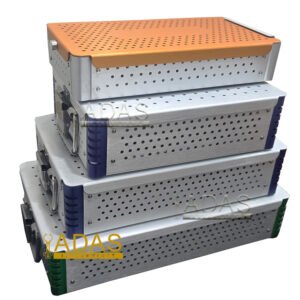
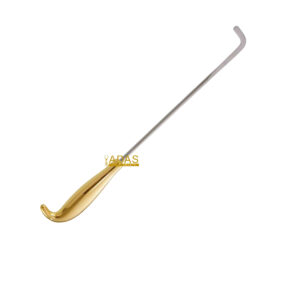
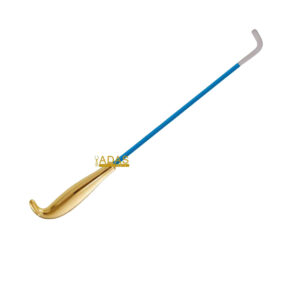


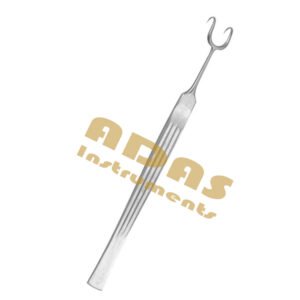
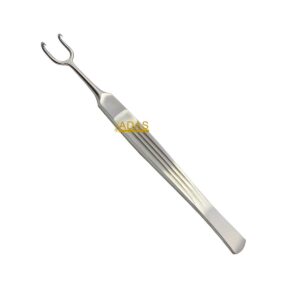
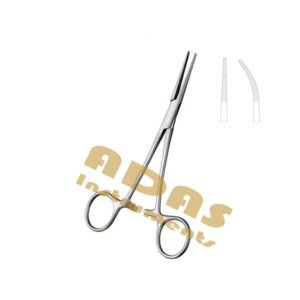
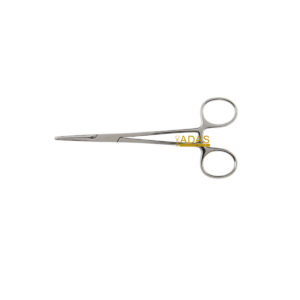
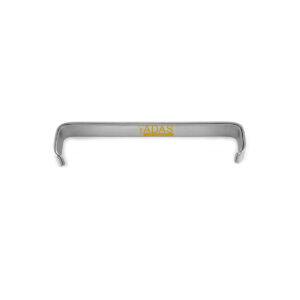
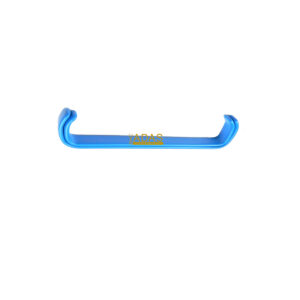
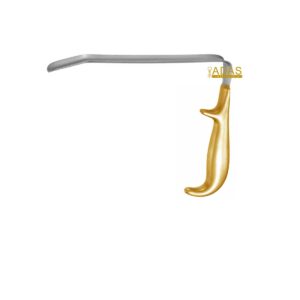
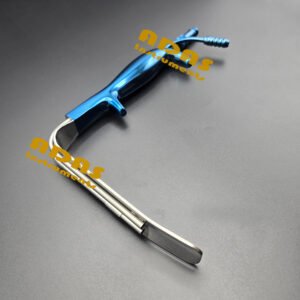
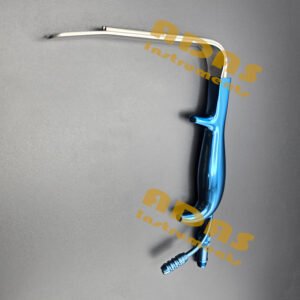


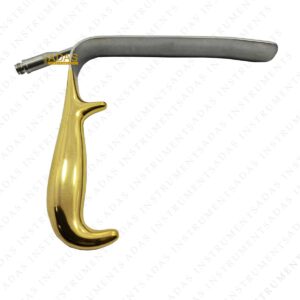

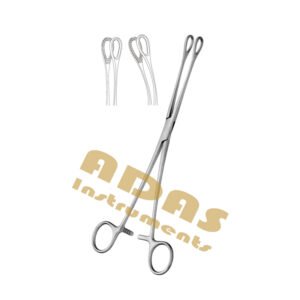
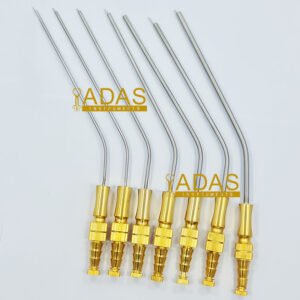
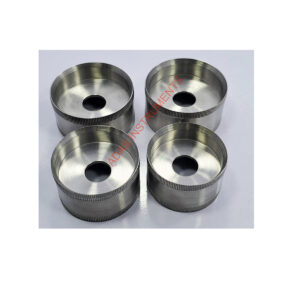
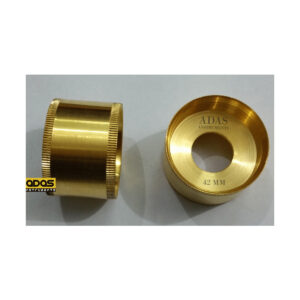
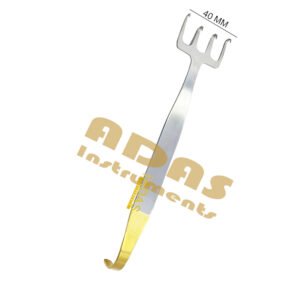
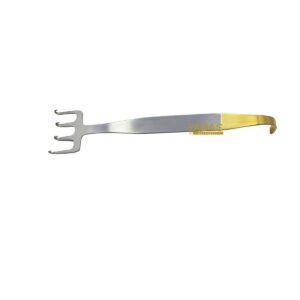
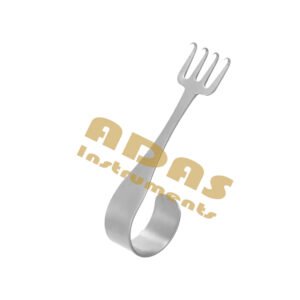
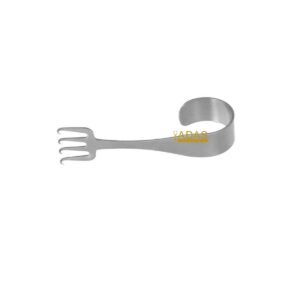
Breast Surgery Instruments Manufactured in Our Own Factory
Plastic and aesthetic surgeons, breast and oncoplastic units, and distributors serving private clinics buy from this range. The selection reflects the practical demands of the operation, deep pocket dissection through a short incision, controlled retraction with clear illumination, atraumatic handling of gland and skin flaps, and accurate marking before and during the case. Grinding, jaw matching, handle balancing and polishing are done by hand at our own benches, which matters most on the long slender instruments that must stay rigid when working at depth through a periareolar or inframammary approach.
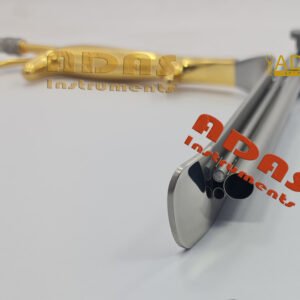
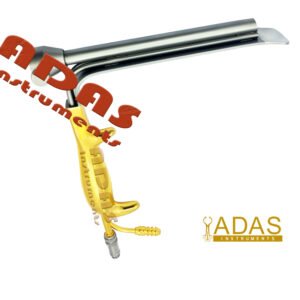
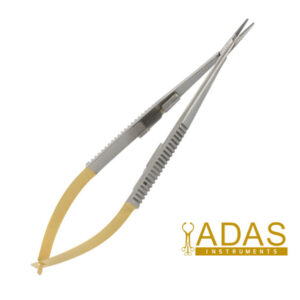
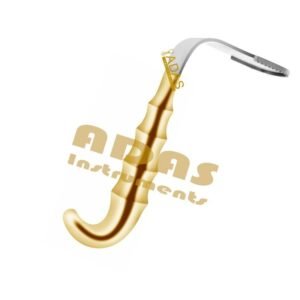
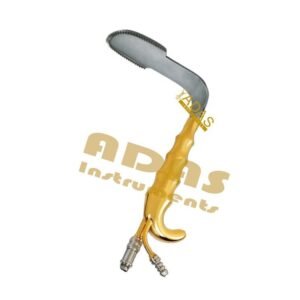
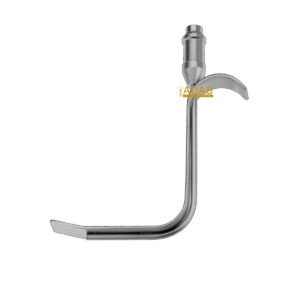
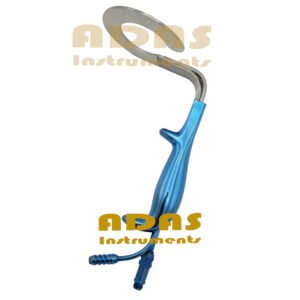
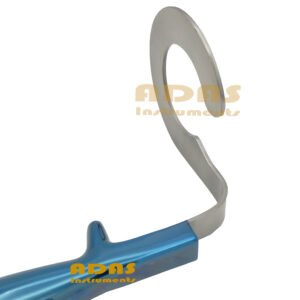
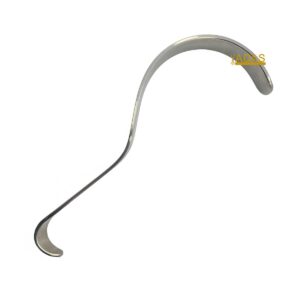
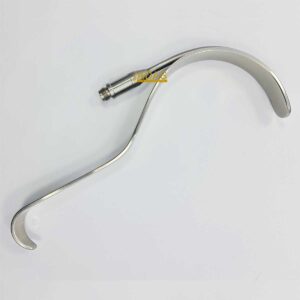
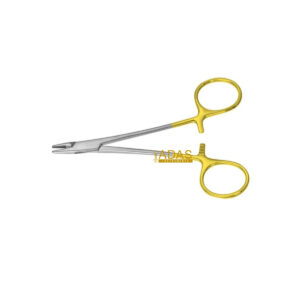
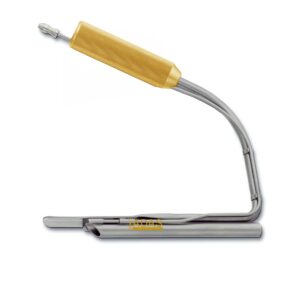
Retractor blades are supplied in several widths and depths, in fibre optic and plain versions, with suction ports on selected patterns. Scissors and needle holders extend to 23 cm and beyond for pocket work, and tungsten carbide inserts are recommended on both. Marking calipers, nipple areola markers and measuring rules complete the pre-operative group. Everything is reusable and autoclavable at 134 degrees C, sold as sets or single pieces.
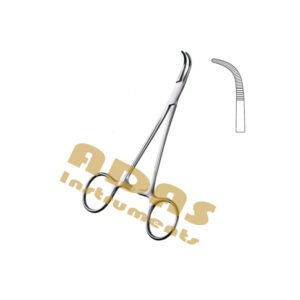
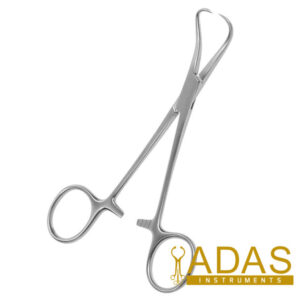
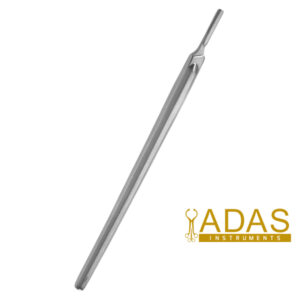
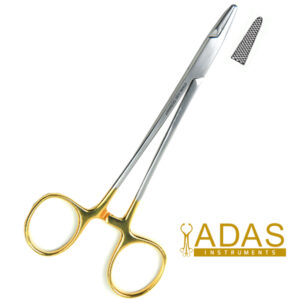
Popular Products in Breast Surgery Instruments
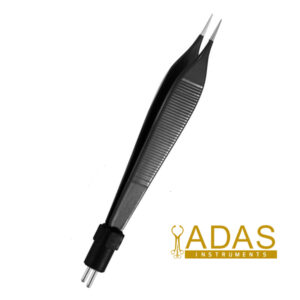
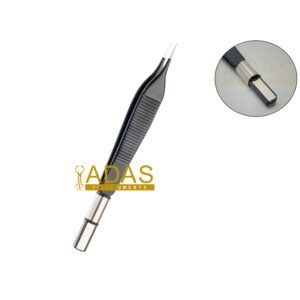
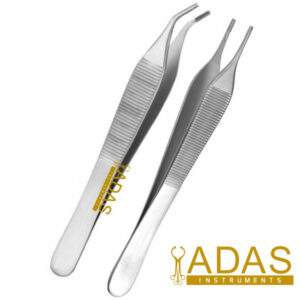
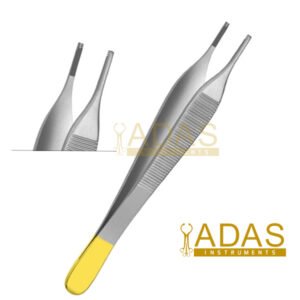
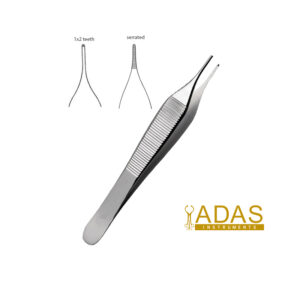
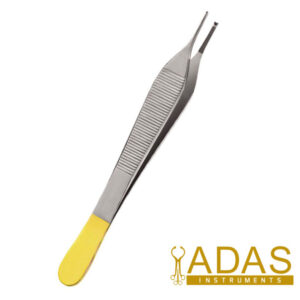
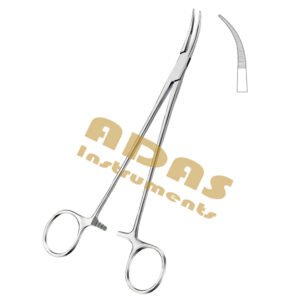
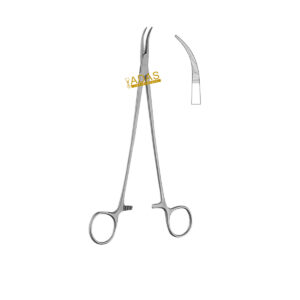
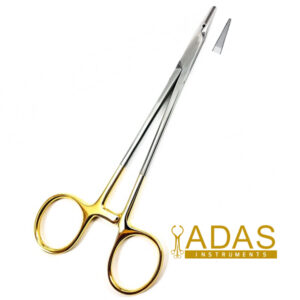
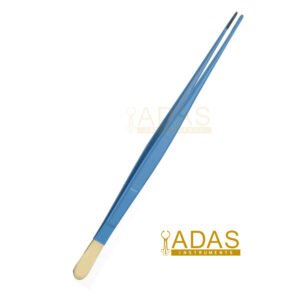
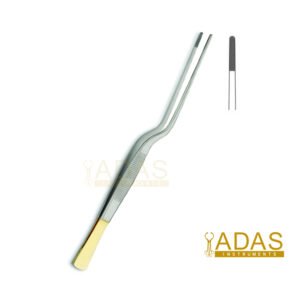
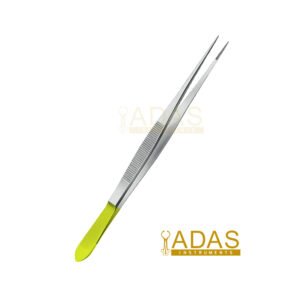
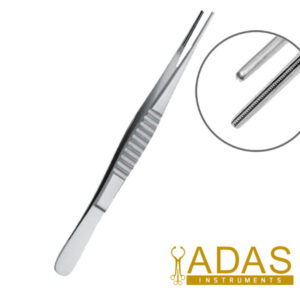
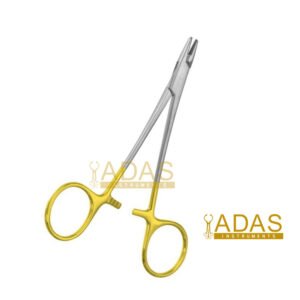
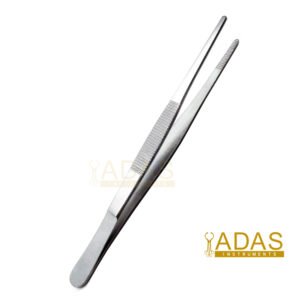
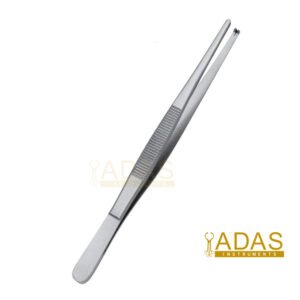
Also available in this category: Mayo Hegar Needle Holder Tungsten Carbide, Crile Wood Needle Holder (TC Serrated Fine Tip), Kaye Rhytidectomy Dissecting Scissors, Razor Edge, Mayo Scissors Razor Edge, High Precision Tissue Dissection, Heavy Duty Surgical Scissors, Castroviejo Needle Holder, Tungsten Carbide (TC) & Diamond Dust Tips.
Choosing the Right Breast Surgery Instruments
Lighted Or Standard Breast Retractors
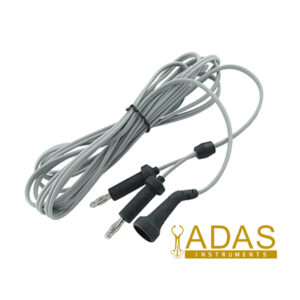
Illuminated retractors put light where a headlamp beam cannot reach, which is why many surgeons adopt them for subpectoral pocket dissection through a short inframammary incision. They cost more, need a compatible light cable and require careful handling during cleaning. Standard retractors remain the sensible choice for open reduction and reconstruction where exposure is already wide. Many units keep one lighted retractor per set and standard blades for everything else.
Choosing Length For Pocket Dissection
Instrument length should be set by the deepest point you must reach through the smallest incision you use. Augmentation through a 4 cm inframammary incision generally calls for scissors, forceps and needle holders at 20 cm to 25 cm, while open reduction and mastopexy work comfortably at 15 cm to 18 cm. Carrying both ranges avoids the common compromise of operating with an instrument that is fractionally too short.
Marking And Measuring Before Incision
Symmetry is judged on the table, so the marking group deserves as much attention as the cutting instruments. A nipple areola marker in two or three diameters, a mammoplasty caliper, a flexible measuring tape and a sternal notch reference tool cover most planning methods. Stainless markers hold a clean cutting rim through repeated autoclaving, and keeping the marking set separate prevents it being blunted in general use.
Why Buy Breast Surgery Instruments from ADAS Instruments
- Source pricing. Clinics pay the factory rate rather than an importer markup.
- Audited system. ISO 13485 certified manufacture with CE marking in place.
- Rigid at length. German surgical grade stainless keeps long instruments stiff and true.
- Branding service. OEM logos, catalogue codes and printed packaging from low quantities.
- Made to order. Any retractor blade or dissector reproduced from your drawing or sample.
- Reliable transit. DHL and FedEx typically deliver in 3 to 5 working days.
Frequently Asked Questions
What instruments are needed for breast augmentation?
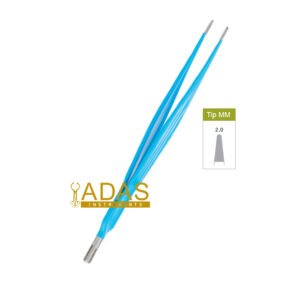
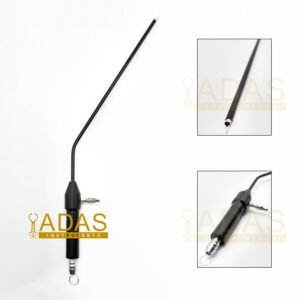
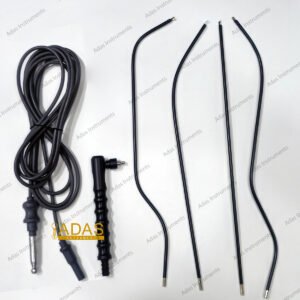
The core group is a set of long dissecting scissors, a lighted or standard breast retractor with two blade widths, a submammary dissector, long atraumatic tissue forceps, a long needle holder, a suction dissector or electrode extension and a marking caliper. Surgeons using the dual plane technique often add a second, deeper retractor blade. We can supply the whole group as a prepared set.
Do you make fibre optic breast retractors?
Yes. Fibre optic retractors are produced in several blade widths and depths, with and without suction ports, and suit standard light cable fittings. Confirm the fitting your light source uses when ordering so the correct connector is supplied. Handle the fibre bundle carefully at cleaning, avoid tight bends and inspect light output regularly, since fibre damage reduces illumination gradually rather than suddenly.
Are these instruments suitable for oncoplastic and reconstructive cases?
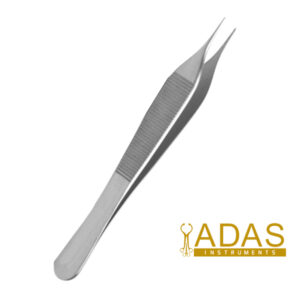
The range supports oncoplastic resection and flap based reconstruction as well as aesthetic surgery. Longer scissors, deep retractors, atraumatic forceps and heavy needle holders cover the reconstructive end, and instruments for flap harvest can be added from our general plastic surgery range. Tell us your typical case mix and we will propose a tray list rather than sending a generic catalogue selection.
Can distributors order these under their own label?
Yes. We manufacture for distributors under private label, applying your logo, your catalogue numbering and your packaging design, with minimum order quantities kept low so a new line can be tested. Samples are marked and sent for approval before the production run begins. Wholesale price bands, tender documentation and DHL or FedEx despatch are part of the standard service.
Request a Quote or a Custom Instrument
Tell us the pattern, size and finish you need and we will send a factory price list the same working day. Email adas.surgical@gmail.com. Wholesale, distributor and hospital tender enquiries are welcome.