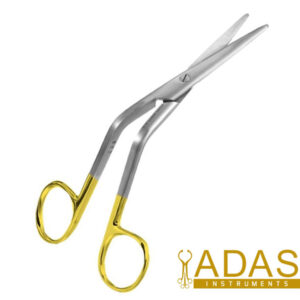
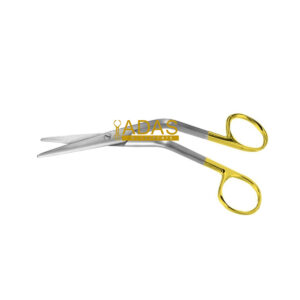
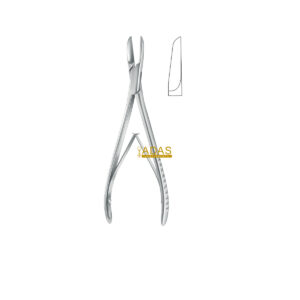
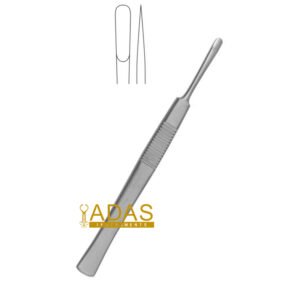
Rhinoplasty Instruments Manufactured in Our Own Factory
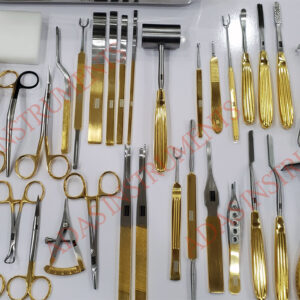
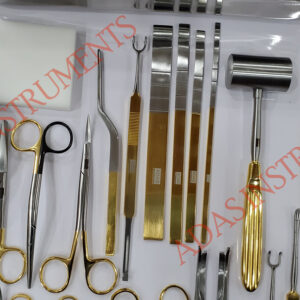
Facial plastic surgeons, ENT rhinologists, teaching units and aesthetic distributors use this range for open and closed approaches, septoplasty, turbinate reduction and revision work. Coverage begins with the exposure and retraction group, moves through elevators for the mucoperichondrial and subperiosteal planes, then into the osteotomes, saws, rasps and cartilage handling instruments that shape bone and framework, and finishes with the scissors and needle holders used at closure. Osteotome bevels, rasp tooth cutting and elevator edge dressing are all carried out by hand in our own Sialkot workshop rather than bought in from outside.
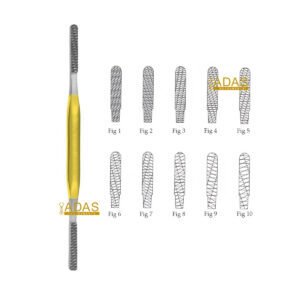
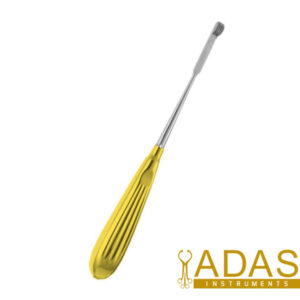
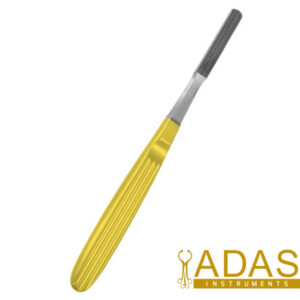
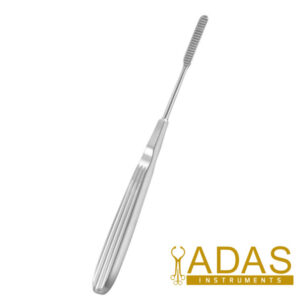
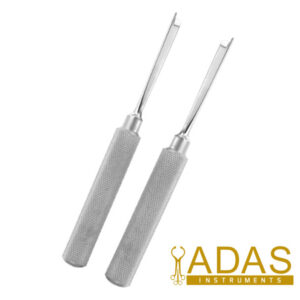
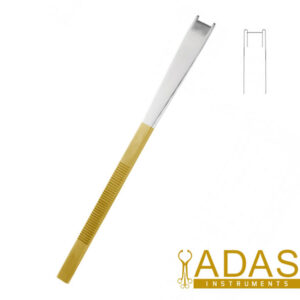
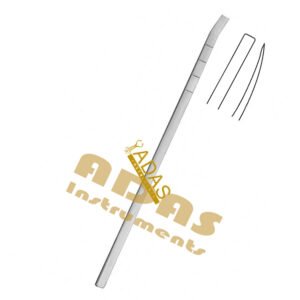
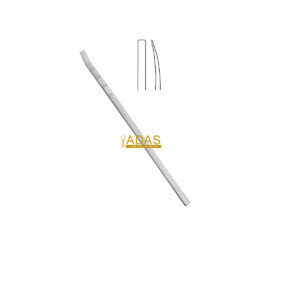
Osteotomes are offered in 2 mm to 12 mm widths, straight, curved, single guarded and double guarded. Rasps come in fine, medium and coarse tooth, in convex, flat and diamond forms. Elevators are supplied double ended with sharp and blunt blades. Fibre optic Aufricht retractors sit alongside plain patterns. All items are reusable, autoclavable at 134 degrees C, and sold singly or as complete rhinoplasty sets.
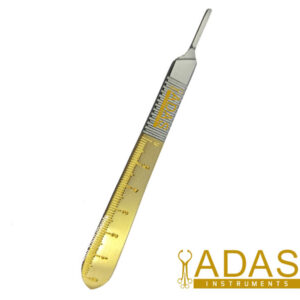
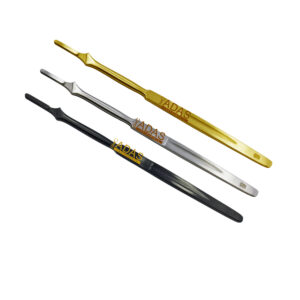
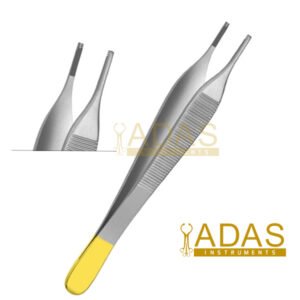
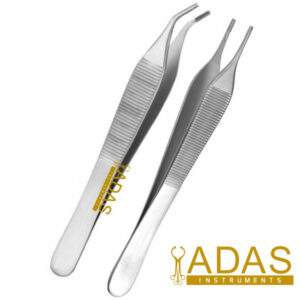
Popular Products in Rhinoplasty Instruments
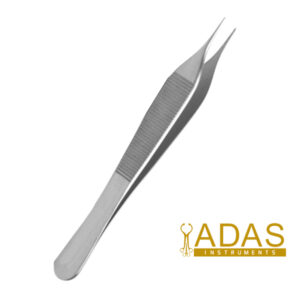
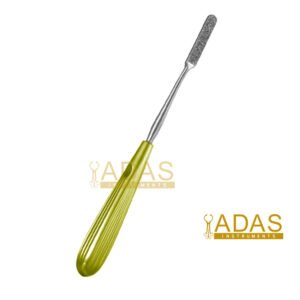
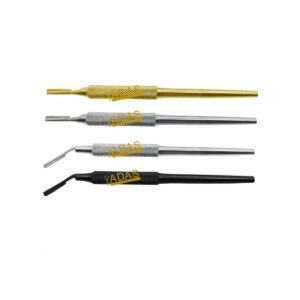
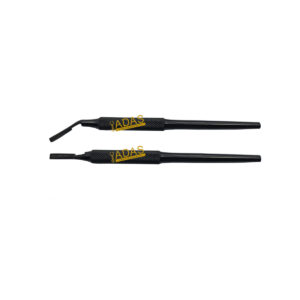
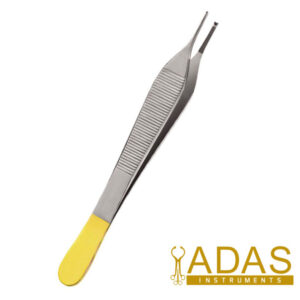
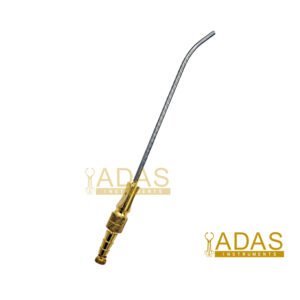
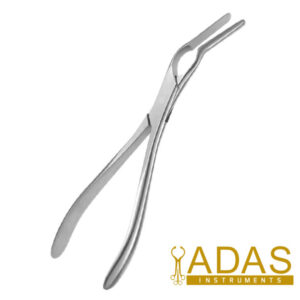
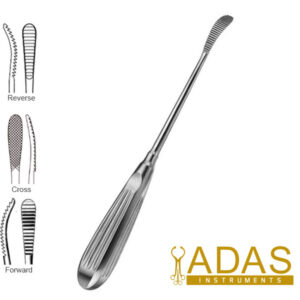
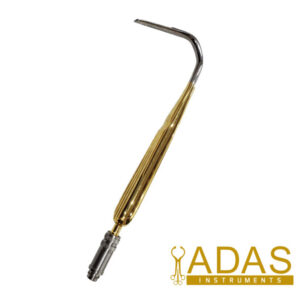
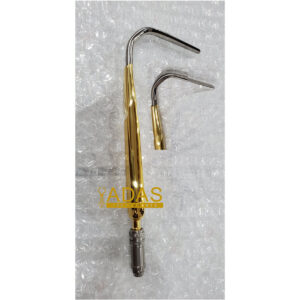
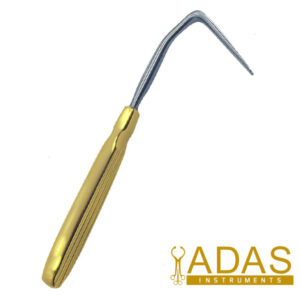
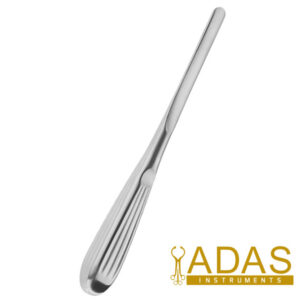
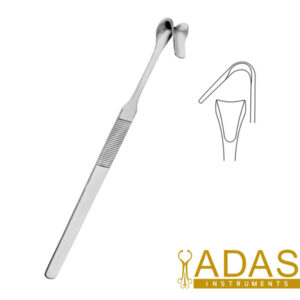
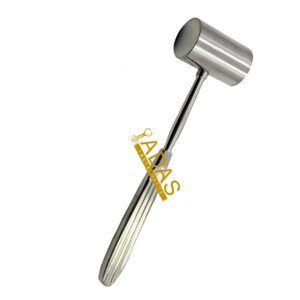
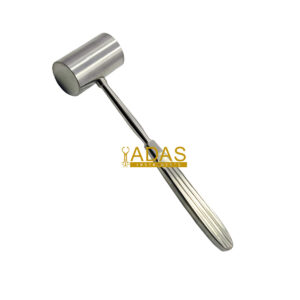
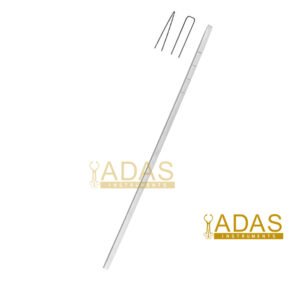
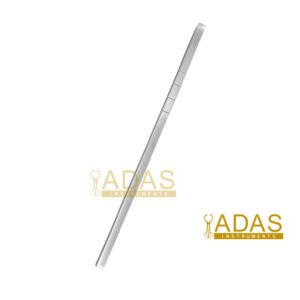
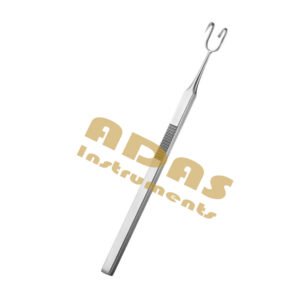
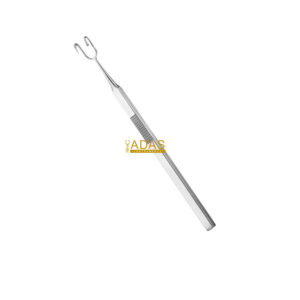
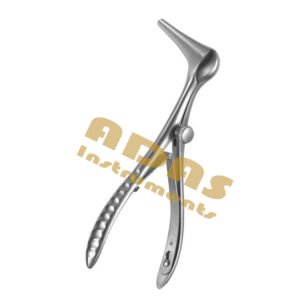
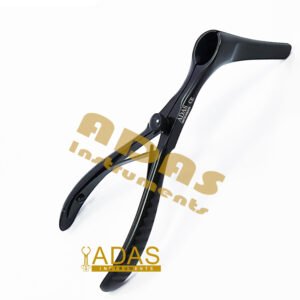
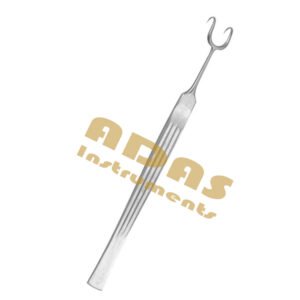
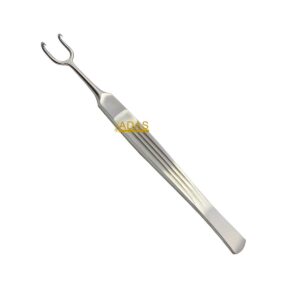
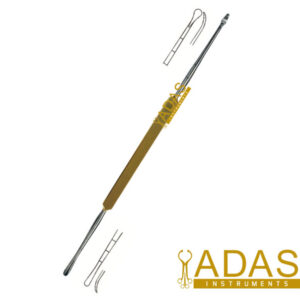
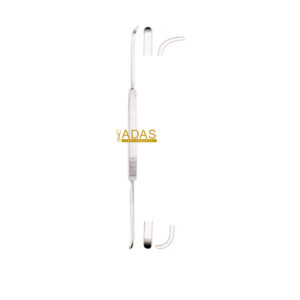
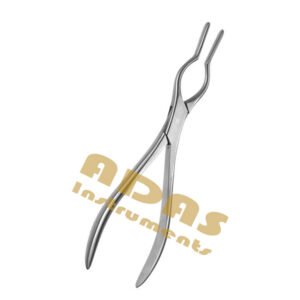
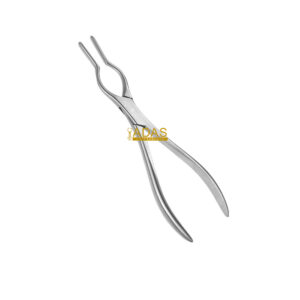
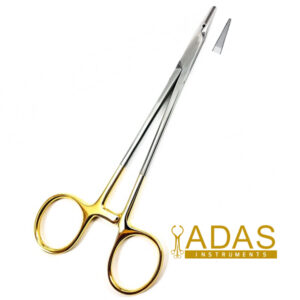
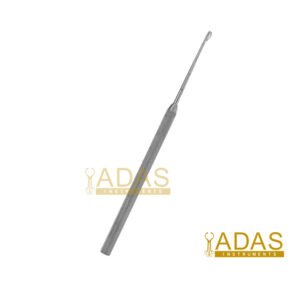
Also available in this category: ADAS Smart Rhinoplasty Instruments Set | Essential Nose Surgery Kit, Guthrie Skin Hook 2 Prong | For Fine Soft Tissue Retraction, Nasal Elevator, Double-ended Spoon Shaped, Nasal Elevator, Double-ended Angled to Right & Left, Adson Suction Tube, Surgical Suction & Aspiration Instrument.
Choosing the Right Rhinoplasty Instruments
Picking Osteotome Widths For Your Technique
Lateral osteotomy is usually performed with a 3 mm to 4 mm guarded or unguarded blade, medial and transverse cuts with 4 mm to 6 mm, and dorsal hump reduction with 10 mm to 12 mm. Percutaneous surgeons work almost entirely at 2 mm. Rather than buying one of everything, decide whether your technique is internal or percutaneous first, then order two widths either side of your usual choice for revision cases.
Fibre Optic Or Plain Retractors
A plain Aufricht retractor is lighter, cheaper and perfectly adequate when an assistant holds a headlight beam steady. Fibre optic versions carry illumination into the tunnel itself, which helps in revision noses, thick skin envelopes and teaching lists where a trainee needs the same view as the surgeon. Fibre optic pieces need compatible cables and careful handling at reprocessing, so confirm your light source fitting before ordering.
Rasp Tooth Grade And Direction
Coarse tooth rasps remove bone quickly but leave an irregular surface, so most surgeons follow them with a medium and then a fine rasp before palpating the dorsum. Push rasps cut on the forward stroke and give more control at the keystone area, while pull patterns clear the radix efficiently. Diamond rasps polish rather than cut and are useful for final contouring in thin skinned patients where irregularities are visible.
Why Buy Rhinoplasty Instruments from ADAS Instruments
- Nasal specialists in house. Osteotomes and rasps are ground on site, never subcontracted.
- Certified production. An ISO 13485 quality system with CE marking across the range.
- Hardened steel. German surgical grade stainless holds a cutting edge through repeat autoclaving.
- Distributor branding. OEM logos, codes and packaging supplied at low minimum quantities.
- Bespoke geometry. Unusual bevels, widths and handle shapes made from your drawing.
- Quick worldwide freight. Typically 3 to 5 working days by DHL or FedEx to major markets.
Frequently Asked Questions
What does a complete rhinoplasty set usually include?
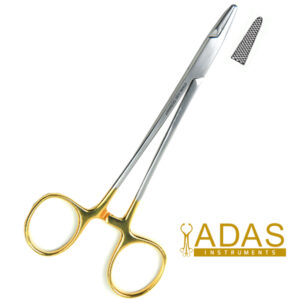
A standard set holds a nasal speculum in two lengths, Aufricht and Fomon retractors, Cottle and Freer elevators, a Joseph or Converse knife, straight and curved osteotomes in three widths, a mallet, fine and coarse rasps, Jansen Middleton and Takahashi forceps, cartilage scissors, a crusher or morseliser and a fine needle holder. Contents can be adjusted before production to match your own technique.
Are guarded osteotomes better than unguarded?
Guarded osteotomes protect surrounding soft tissue and give a more predictable fracture line, which is why many surgeons prefer them for lateral cuts and in less experienced hands. Unguarded blades are thinner, pass through a smaller incision and give better tactile feedback at the bone. Single guarded patterns sit between the two. Well equipped sets usually carry both so the choice stays with the surgeon.
Do you make instruments for preservation rhinoplasty?
The range includes the scissors, elevators, saws, rasps and fine osteotomes used in dorsal preservation and let-down techniques, and we regularly produce specific patterns to customer drawings. If your technique needs a particular blade curvature, guard depth or handle length, send a dimensioned sketch, a photograph or a sample instrument and we manufacture and submit a sample before committing to a batch.
Can I order rhinoplasty sets under my own brand?
Yes. Complete sets can be marked with your logo and catalogue numbers, packed in cases printed to your design and shipped ready for resale. Minimum quantities are deliberately low so a distributor can test demand before scaling. Wholesale and hospital tender pricing is available on request, and consignments move by DHL or FedEx with tracking issued at despatch.
Request a Quote or a Custom Instrument
Tell us the pattern, size and finish you need and we will send a factory price list the same working day. Email adas.surgical@gmail.com. Wholesale, distributor and hospital tender enquiries are welcome.


