
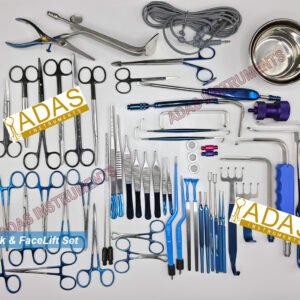
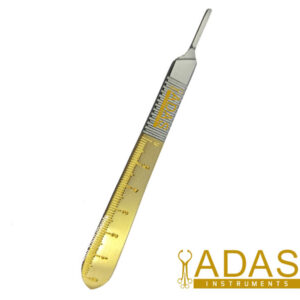
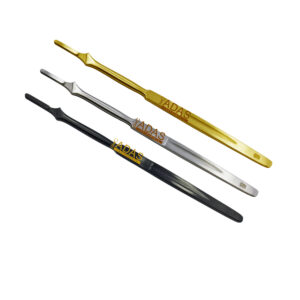

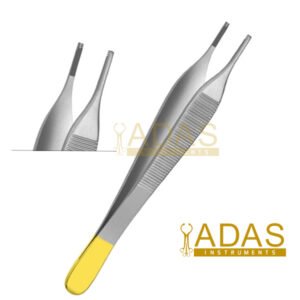
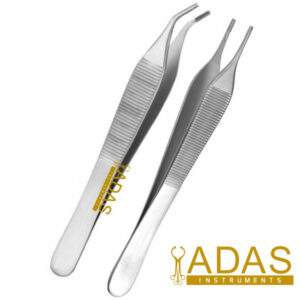
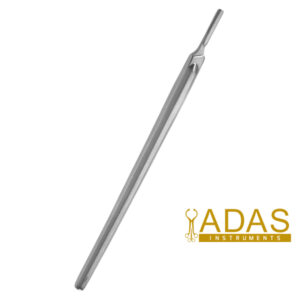
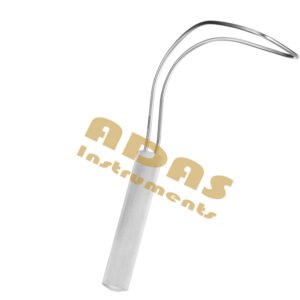
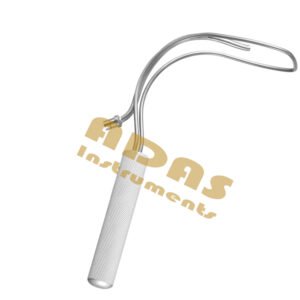
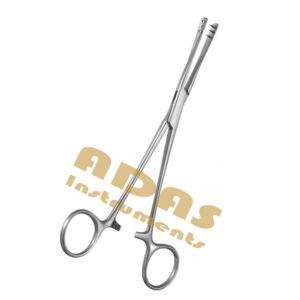
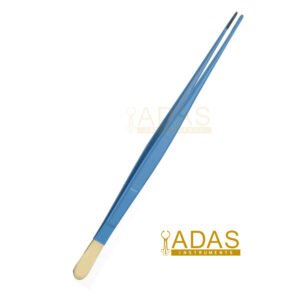
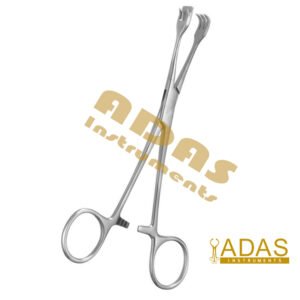

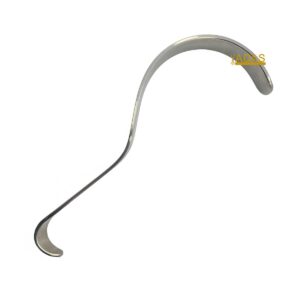
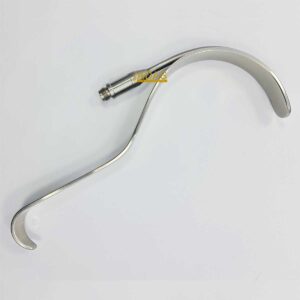


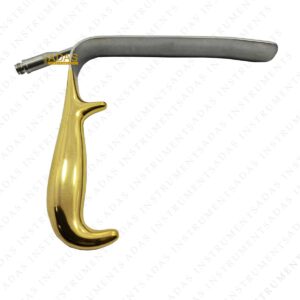

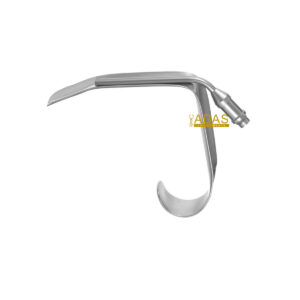
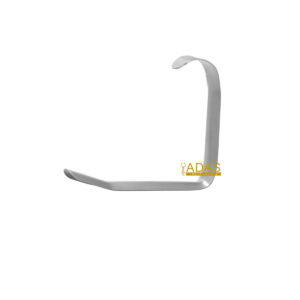
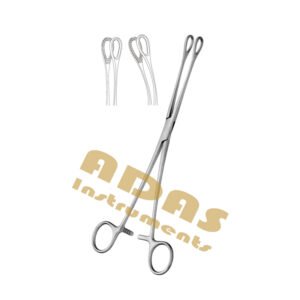
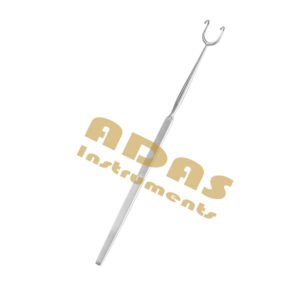
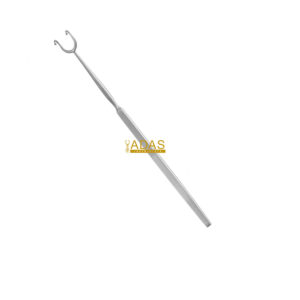
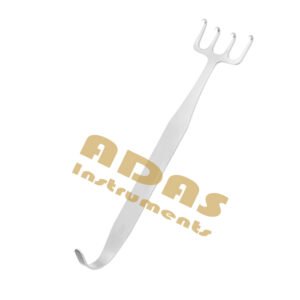

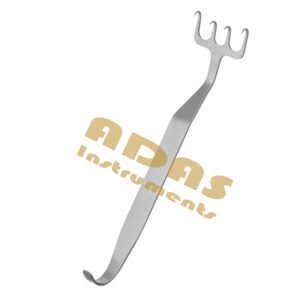
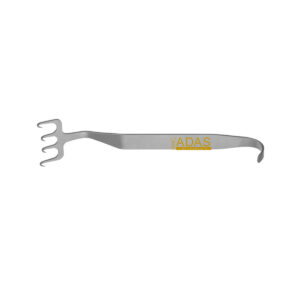

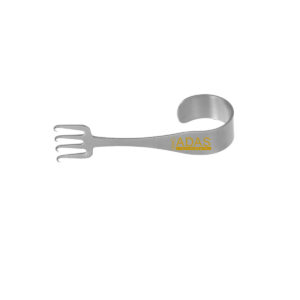
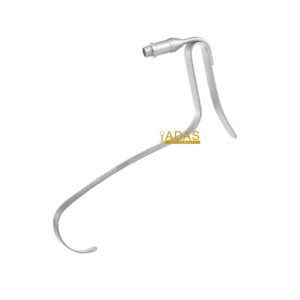
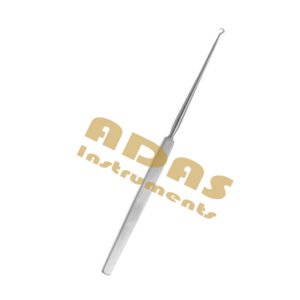

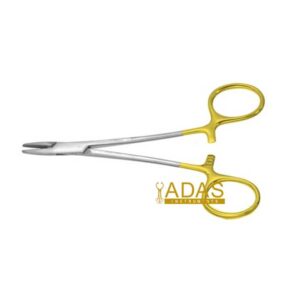
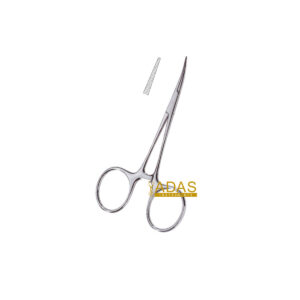
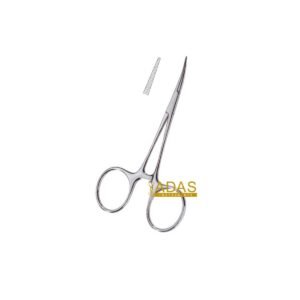
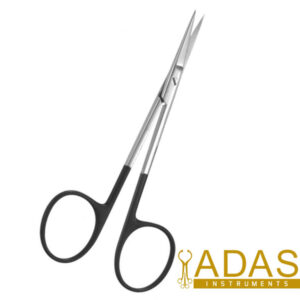

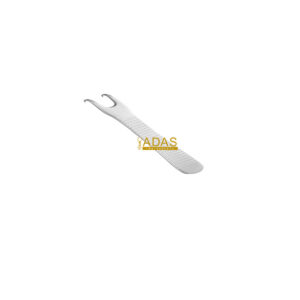
Facelift and neck lift instruments are built around one problem: raising a flap of skin off the face without thinning it, tearing it, or putting a hole through it. Almost everything on this page exists to open a tissue plane rather than to cut, and the ones that do cut are shaped so they cannot easily cut the wrong thing. Adas Instruments manufactures the full range in Sialkot, Pakistan, from high quality medical grade stainless steel, and supplies surgeons, hospitals and distributors in the United States, Latin America and Europe.
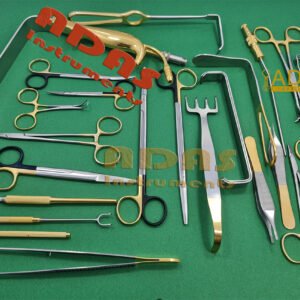
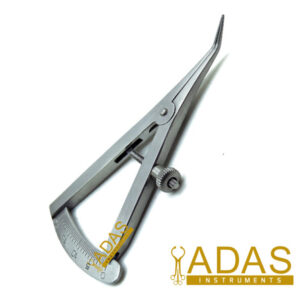
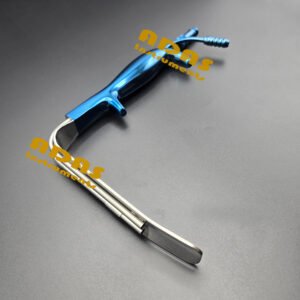
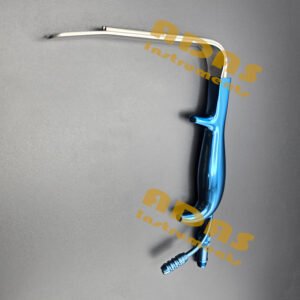
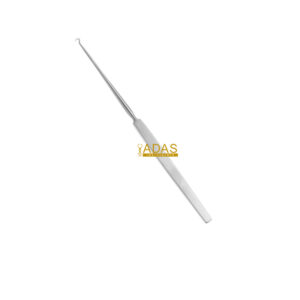
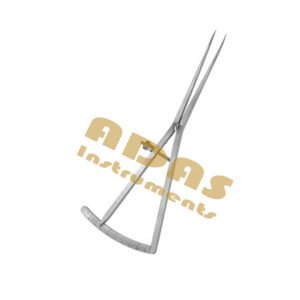
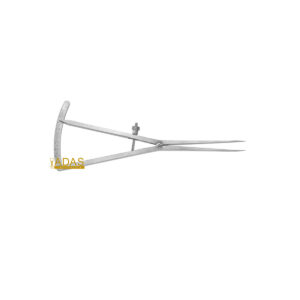
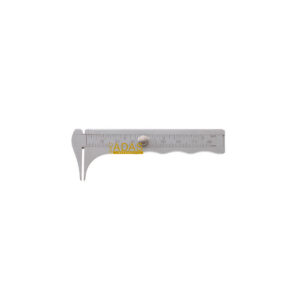
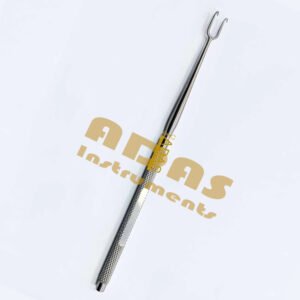
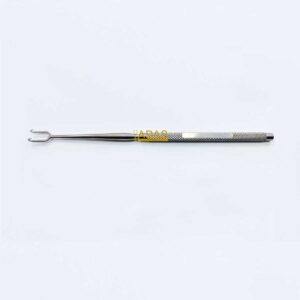
A rhytidectomy tray is assembled in layers. Markers set the incision. Retractors and flap hooks hold the skin up so the surgeon can see under it. Elevators and dissectors open the subcutaneous plane and the SMAS below it. Scissors do the cutting, and this is where the pattern matters most, because a pointed tip in the wrong plane leaves a buttonhole that shows for the rest of the patient’s life.
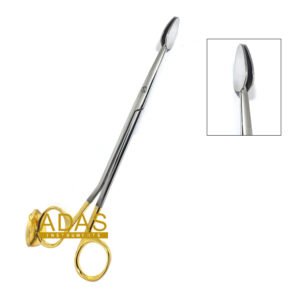
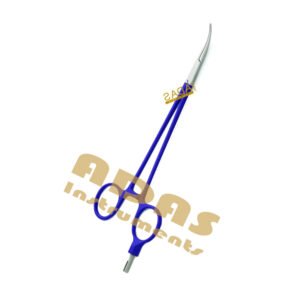
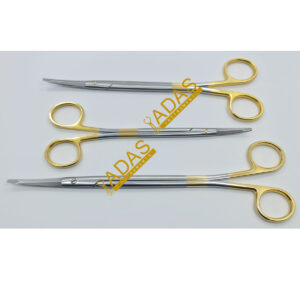
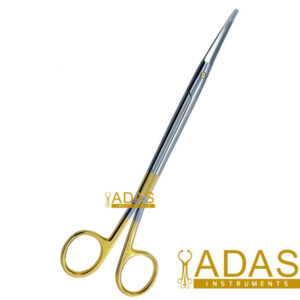
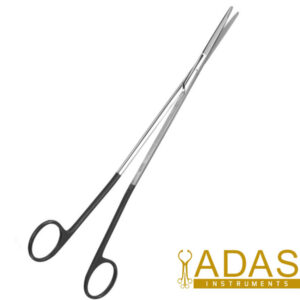
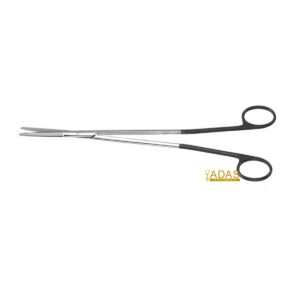
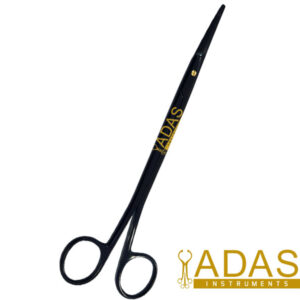
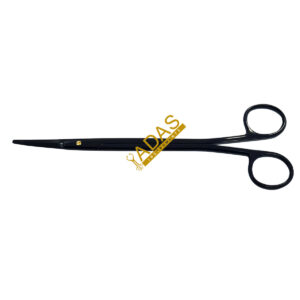
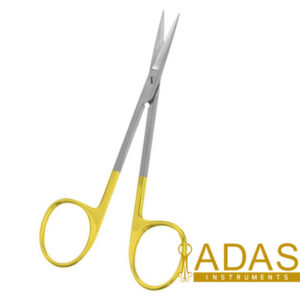
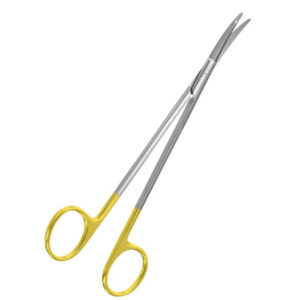
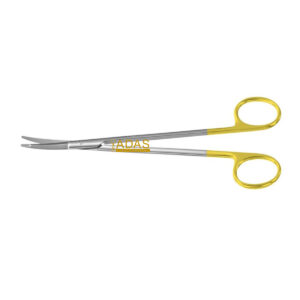
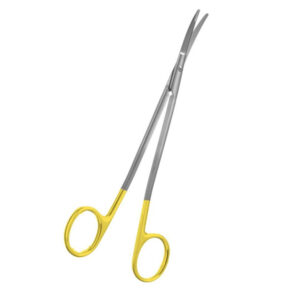
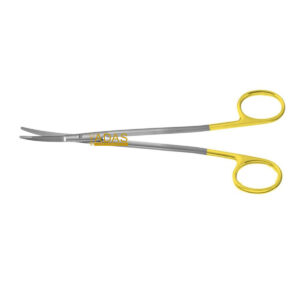
For blunt dissection the Trepsat facelift dissection scissors end each blade in a flat spatula, 5 mm to 25 mm wide, which slides under the flap instead of into it. For sharp work in the same plane the Kaye rhytidectomy dissecting scissors carry a razor edge, the Freeman Gorney facelift dissecting scissors are the heavier curved pattern, and the Gorney platysma scissors divide the neck band itself. Complete trays are listed under facelift instrument sets.
Everything is passivated and boil tested, ultrasonically cleaned before packing, and laser marked with the pattern name and our reference. All of it is reusable and fully autoclavable, supplied non sterile. Tungsten carbide edges, titanium finishes and different tip widths are production options rather than special orders, and sample pairs go out for evaluation before a hospital commits to a set.